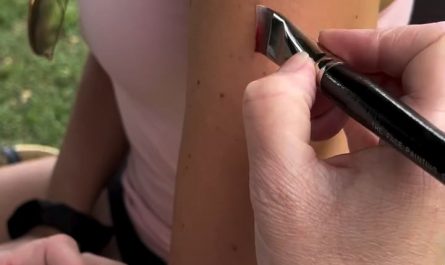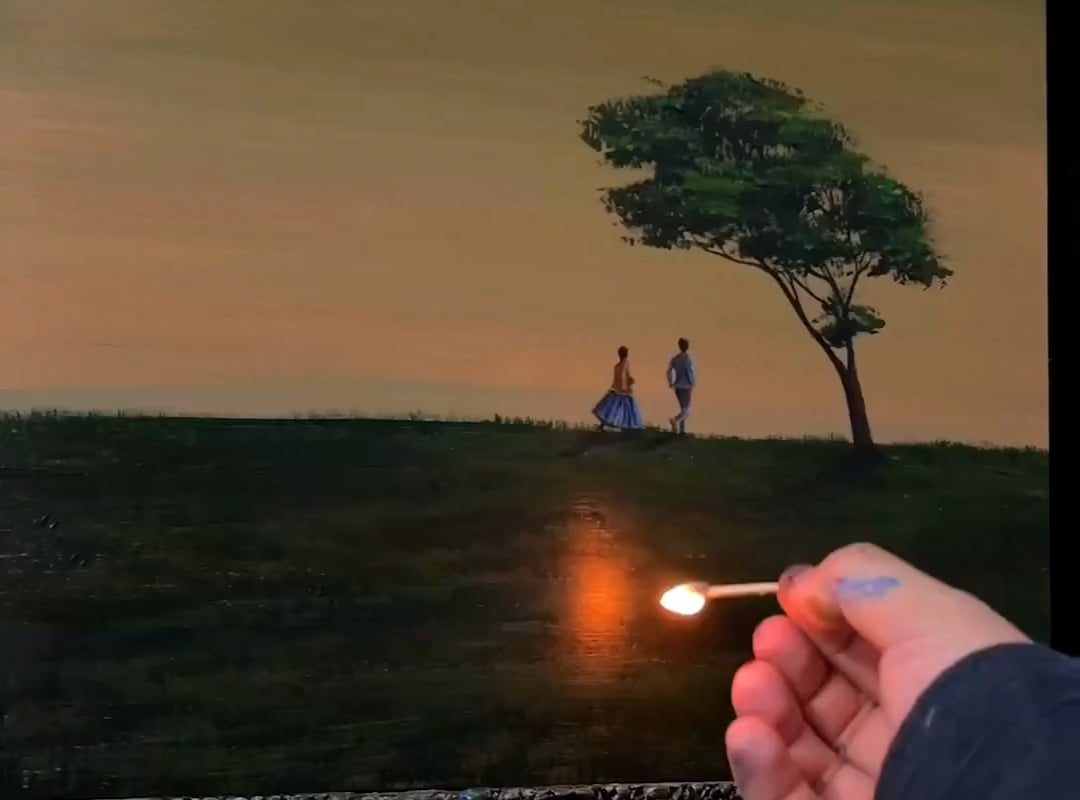
Fire unveils a hidden feature of this painting and adds more complexity depth to it
Title: Hidden Blueprint Revealed: How a Fire Accidentally Exposed a Painting’s Secret Layers & Transformed Its Meaning
Art history thrives on mystery, but few discoveries are as electrifying as when disaster unveils genius. When fire struck a Florentine villa in the 19th century, it did more than damage—it resurrected a forgotten narrative in a Renaissance masterpiece, adding astonishing depth to its story. Dive into the tale of how flames peeled back time to reveal a painter’s hidden struggle.
The Painting & Its Surface Story
The artwork in question—Madonna della Pietà, attributed to the workshop of Sandro Botticelli—long captivated audiences with its tender depiction of Mary cradling Christ. For centuries, viewers admired its delicate brushwork, ethereal colors, and serene melancholy. Yet beneath its surface lay a secret, one that only extreme heat could expose.
The Fire: Destruction Meets Revelation
In 1867, a blaze tore through the villa housing the painting. While the upper layers of the canvas suffered smoke damage, restorers made a shocking discovery: the intense heat had burned away patches of the topmost paint, revealing bold, gestural sketches hidden beneath. These weren’t mere underpaintings—they were radically different compositions. Infrared imaging later confirmed what fire exposed first: the Virgin Mary’s pose was altered dramatically. Originally, her face was tilted upward in anguish, eyes raw with grief. The veiled final version, softened and downcast, now seemed a deliberate act of censorship—or refinement.
The Hidden Feature: A Painter’s “Pentimento”
The term pentimento (“repentance” in Italian) describes an artist’s change of mind visible through layered revisions. Here, the fire laid bare Botticelli’s (or his apprentice’s) struggle to balance emotional intensity with Renaissance ideals of restraint. The exposed sketch showed:
- Dynamic Anger: Mary’s jaw clenched, brows furrowed in despair—a far cry from her gentle resignation.
- Symbolic Rupture: Earlier folds in her robe mirrored the cracks in the rocks behind her, linking human suffering to a fractured world.
- Lost Motion: A discarded sketch of Mary’s hand clawing at her chest, a gesture edited to a passive, prayerful clasp.
This raw, uncensored grief transformed the work from a devotional icon into a psychological study—one the artist may have feared was too human for its time.
Modern Tech Confirms What Fire Revealed
Twenty-first-century tools like infrared reflectography and hyperspectral imaging corroborated the fire’s accidental revelation, confirming:
- Multiple layers of revision, suggesting artistic indecision or external pressures.
- Pigment analysis revealed Botticelli’s signature terre verte underdrawing beneath later tempera glazes.
- The use of spolvero (pounced charcoal sketches) to transfer—then abandon—the anguished design.
Complexity & Controversy: Why Does It Matter?
The discovery rippled through art history, raising questions:
- Censorship or Growth? Did Botticelli soften Mary’s pain to satisfy patrons, or did his vision evolve?
- Workshop Mystery: Was this even Botticelli’s hand, or a pupil’s discarded draft?
- Themes Reborn: The hidden rage reframes the work as subversive—a quiet protest against sanitized sorrow.
Art historian Dr. Elena Marconi notes: “This ‘fiery unveiling’ forces us to see Renaissance art not as static perfection, but as a dialogue between vulnerability and control.”
Conclusion: Beauty Born from Ashes
The fire’s damage became a gift—an unplanned peek into the creative chaos behind a masterpiece. What we once saw as tranquil now simmers with unresolved tension, proving that art’s truest depths often lie beneath the surface.
SEO Keywords: Hidden painting feature, Botticelli pentimento, art restoration fire, Renaissance art secrets, Madonna della Pietà analysis, underdrawing revealed, infrared art discovery.
Engage Further: What other masterpieces might hide secrets beneath their surfaces? Share your thoughts—or explore how X-ray tech is rewriting art history—in the comments below!
For more art mysteries uncovered by science, subscribe to our newsletter. The past isn’t finished revealing itself.