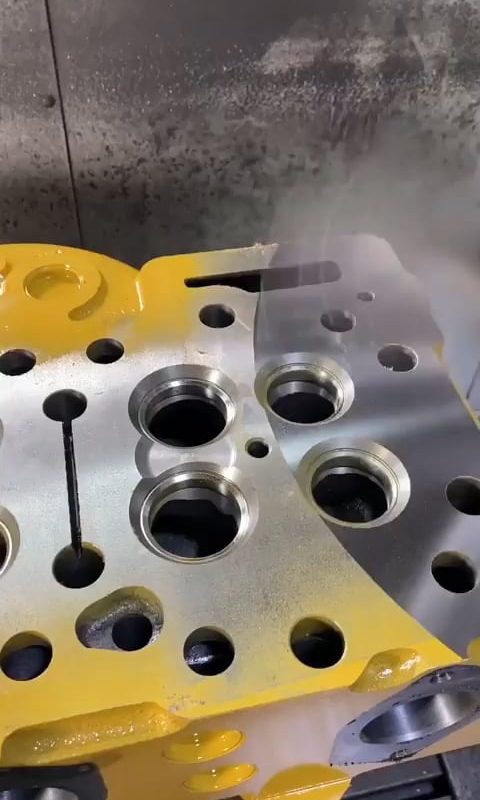
Cylinder Head Resurfacing
Title: Cylinder Head Resurfacing: Why, When, and How to Restore Your Engine’s Performance
Meta Description: Learn about cylinder head resurfacing, why it’s critical for engine health, and how it can save you money on costly repairs. Discover methods, costs, and expert tips.
What Is Cylinder Head Resurfacing?
Cylinder head resurfacing (also known as “decking” or “milling”) is a machining process that restores a flat, smooth surface to the cylinder head’s mating area—the part that seals against the engine block. This ensures a proper seal for the head gasket, maximizes compression, and prevents leaks, overheating, and catastrophic engine failure.
Modern engines rely on ultra-precise tolerances. Even minor warping or scratches on the cylinder head can disrupt the head gasket seal, leading to costly repairs. Resurfacing returns the cylinder head to factory specifications, extending engine life and optimizing performance.
Why Resurface a Cylinder Head? 6 Critical Reasons
-
Warping from Overheating
Overheating is the #1 cause of warped cylinder heads. Extreme heat weakens the metal, leading to uneven surfaces. A warped head can’t seal properly, causing coolant leaks, combustion gas leaks, or oil mixing with coolant. -
Blown Head Gasket
A failed head gasket often leaves pitting, corrosion, or carbon buildup on the cylinder head. Resurfacing cleans and flattens the surface, ensuring the new gasket seals perfectly. -
High-Mileage Wear
Older engines develop microscopic grooves or erosion from years of thermal cycling. Resurfacing removes these imperfections, restoring a leak-proof surface. -
Performance Modifications
Turbocharging or increasing compression ratios requires a perfectly flat cylinder head to handle higher pressures. -
Preventative Maintenance
Resurfacing during an engine rebuild eliminates risks of future leaks, saving time and money. -
DIY Repair Errors
Scraping old gasket material incorrectly can gouge the cylinder head. Machining repairs these mistakes.
Benefits of Cylinder Head Resurfacing
- Restores Compression: A flat surface ensures optimal combustion chamber sealing.
- Prevents Coolant/Oil Leaks: Eliminates gaps that cause mixing of fluids.
- Improves Engine Longevity: Reduces wear on pistons, rings, and bearings.
- Cost-Effective: Far cheaper than replacing a warped cylinder head or entire engine.
- Boosts Performance: Maximizes horsepower and fuel efficiency.
How Cylinder Head Resurfacing Works: Methods & Tools
Professional machine shops use specialized equipment to achieve a mirror-smooth finish. Common methods include:
1. Milling
A CNC mill or vertical milling machine shaves off a thin layer (typically 0.003″–0.008″) of metal. This is ideal for severely warped heads.
2. Grinding
A grinding wheel abrasive removes material. Less precise than milling but faster for minor imperfections.
3. Belt Sanding
Uses a abrasive belt for light resurfacing. Common for aluminum heads.
4. CNC Machining
Computer-guided tools achieve ultra-precise tolerances (±0.001″), perfect for high-performance builds.
Can You Resurface a Cylinder Head Yourself?
DIY resurfacing is not recommended without professional tools. Hand-sanding or using a belt sander risks uneven surfaces, worsening leaks. Always consult a machine shop for:
- Precision measurements (flatness checks with a straightedge and feeler gauge)
- Correct material removal limits (excessive milling weakens the head)
- Surface finish specs (RA value between 50–60 microinches for composite gaskets)
Cost of Cylinder Head Resurfacing
Expect to pay $50–$300 per cylinder head, depending on:
- Material: Aluminum heads cost less than cast iron (softer and easier to machine).
- Damage Severity: Warped heads require more machining time.
- Shop Rates: Local vs. specialty racing shops.
Tip: Bundling resurfacing with a valve job or pressure test saves money long-term.
The Resurfacing Process: Step-by-Step
- Disassembly: Remove valves, springs, and camshafts.
- Cleaning: Degrease and remove carbon deposits.
- Inspection: Check for cracks, warping, or corrosion.
- Machining: Mill or grind the surface to restore flatness.
- Finishing: Polish to the required RA smoothness.
- Reassembly: Install new seals and components.
Choosing a Machine Shop: 5 Key Questions
- Do you specialize in engine machining?
- What equipment do you use? (CNC mills are gold-standard)
- Can you provide before/after measurements?
- Do you offer pressure testing?
- What’s the turnaround time?
FAQ: Cylinder Head Resurfacing
Q: How do I know if my cylinder head needs resurfacing?
A: Look for symptoms like white exhaust smoke, milky oil, coolant loss, or overheating. A machine shop can confirm warping beyond 0.004″.
Q: Can a cylinder head be resurfaced multiple times?
A: Yes, but excessive milling lowers the compression ratio and weakens the head. Always stay within the manufacturer’s maximum removal limit (often 0.010″–0.020″).
Q: Does resurfacing affect engine compression?
A: Slightly. Removing material increases compression, which can improve power but may require higher-octane fuel.
Conclusion
Cylinder head resurfacing is a non-negotiable step when repairing overheating damage or replacing a head gasket. Skipping it risks repeat failures and wasted money on parts. Trust a certified machine shop to restore your engine’s sealing surface—your car’s performance and reliability depend on it!
Pro Tip: Always replace head bolts and use a quality head gasket after resurfacing. Torque bolts in the manufacturer’s sequence to avoid new warping.
Target Keywords:
- Cylinder head resurfacing
- Head gasket resurfacing
- Cylinder head milling
- Engine resurfacing cost
- Warped cylinder head repair
Secondary Keywords:
- Head gasket surface prep
- Auto machining services
- DIY cylinder head resurfacing
- CNC cylinder head machining
- How to flatten a cylinder head
Optimize your engine’s longevity—don’t cut corners on cylinder head resurfacing!