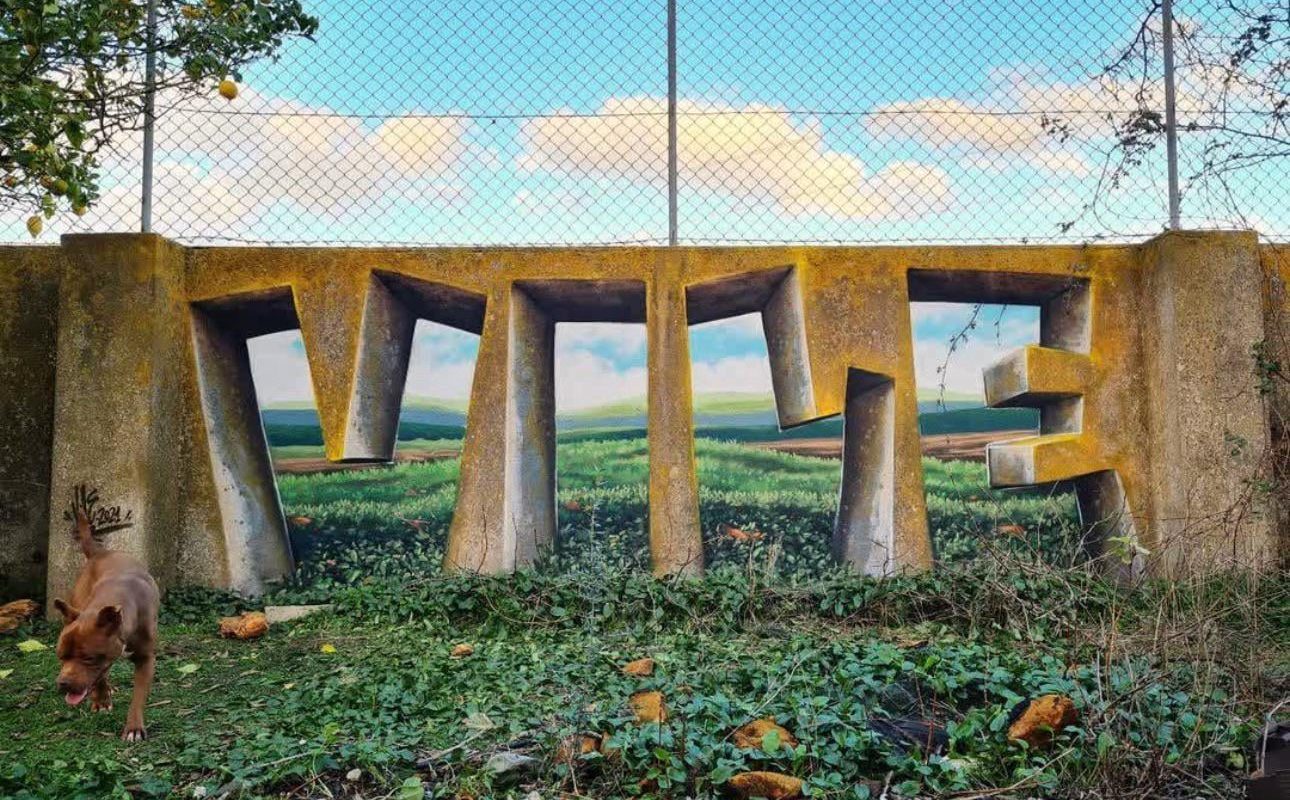
Graffiti in Portugal
Meta Title: Graffiti in Portugal: Exploring the Vibrant World of Portuguese Street Art
Meta Description: Discover the dynamic graffiti scene in Portugal, from Lisbon’s iconic murals to Porto’s urban masterpieces. Explore its history, artists, and top spots in this guide.
URL Slug: graffiti-in-portugal
Graffiti in Portugal: From Rebel Art to Cultural Icon
Portugal’s streets are alive with color, rebellion, and storytelling. Far from mere vandalism, graffiti in Portugal has evolved into a celebrated art form, reflecting the nation’s complex history, social movements, and creative spirit. From Lisbon’s steep alleys to Porto’s riverside quarters, these urban masterpieces draw travelers, historians, and art lovers alike. In this guide, we dive into Portugal’s graffiti scene—its roots, key artists, top destinations, and why it’s a must-see cultural experience.
A Brief History: Political Roots to Artistic Revolution
Graffiti in Portugal emerged as a voice of dissent during the fascist Estado Novo regime (1933–1974), when public dissent was brutally suppressed. After the 1974 Carnation Revolution, street art exploded into a tool for free expression, capturing hopes for democracy. Over time, graffiti shifted from political slogans to intricate murals, fueled by global hip-hop culture in the 1990s and early 2000s. Today, it’s a symbol of Portugal’s openness, blending social commentary with breathtaking visuals.
Lisbon: The Heart of Portuguese Street Art
Lisbon’s hilltop neighborhoods double as open-air galleries, where vibrant murals contrast with historic tiled façades. Key areas include:
- Bairro Alto & Cais do Sodré: Epicenters of nightlife and graffiti, with ever-changing works by local and international artists. Don’t miss the “Legal Walls” program, which designates spaces for legal art.
- Alfama: Traditional fado music meets bold street art in Lisbon’s oldest district.
- LX Factory: A former industrial hub turned creative enclave, brimming with murals and edgy installations.
- Amadora Street Art Festival: Annual event transforming suburban walls into large-scale masterpieces.
Landmark Moment: The Crono Project (2013–2016) used the city’s public walls to host 17 murals by global icons like Vhils and Pixel Pancho, cementing Lisbon as a street art capital.
Porto: Industrial Charm Meets Urban Creativity
Northern Portugal’s artistic rival, Porto, offers raw, moody backdrops for boundary-pushing graffiti:
- Ribeira District: Cobblestone lanes dotted with stencil art and abstract pieces near the Douro River.
- Miragaia: Historic warehouses adorned with works by local duo ±MaisMenos± (PlusMinus).
- Penaventura Gallery: A hub championing urban artists, from hyperrealism to pop-inspired satire.
Pro Tip: Join a street art walking tour to decode hidden symbols and learn about Porto’s grassroots scene.
Beyond the Cities: Graffiti Across Portugal
Urban art thrives beyond Lisbon and Porto:
- Coimbra: Student murals near the historic university fuse academia with activism.
- Braga: Religiously themed street art in Portugal’s “Rome of the North.”
- Setúbal: Coastal town where marine life murals spotlight environmental issues.
The Artists Shaping Portugal’s Graffiti Scene
Meet the visionaries behind Portugal’s global street art reputation:
- Vhils (Alexandre Farto)
Lisbon-born Vhils revolutionized graffiti by carving portraits into walls using drills and chisels. His work critiques consumerism and urban decay. - Bordalo II
Eco-conscious “trash animals” sculpted from scrap metal (e.g., his iconic raccoon in Lisbon). - Add Fuel (Diogo Machado)
Merges traditional azulejo (tile) motifs with contemporary pop art. - Tamara Alves
Feminist murals challenging gender norms in Porto’s quieter streets.
Legal vs. Illegal: Portugal’s Progressive Approach
Portugal balances zero tolerance for vandalism with support for sanctioned art:
- Legal Walls: Cities like Lisbon designate zones for artists to paint freely, reducing illegal tagging.
- Government Backing: Initiatives like GAU (Urban Art Gallery) turn drab public spaces into curated exhibits.
- Controversy: Gentrification debates swirl as street art raises property values, pushing out communities.
Why Graffiti Matters: Culture, Tourism & Identity
Portugal’s graffiti isn’t just eye candy—it drives tourism, fosters dialogue, and preserves heritage. Guided tours, festivals, and Instagram-worthy backdrops boost local economies, while murals honor national heroes like fado singer Amália Rodrigues or footballer Eusébio.
Final Thoughts: How to Experience Portugal’s Graffiti Ethos
To truly appreciate Portuguese street art:
- Join a Tour: Underdog Truffle (Lisbon) or Porto Street Art Tours offer expert insights.
- Respect the Art: Observe without touching; many works are fragile.
- Support Local Artists: Buy prints or visit galleries like Vera Cortês in Lisbon.
From Lisbon’s peeling façades to Porto’s crumbling docks, graffiti in Portugal tells a story of resilience, creativity, and cultural pride—a living canvas you won’t want to miss.
Internal Linking Recommendation:
- Link to related articles like “Lisbon’s Top Cultural Attractions” or “Porto Travel Guide: Beyond the Port Wine.”
Image Suggestions: - Alt-text: “Vhils carved mural in Lisbon,” “Bordalo II trash raccoon sculpture,” “Colorful Alfama graffiti Lisbon.”