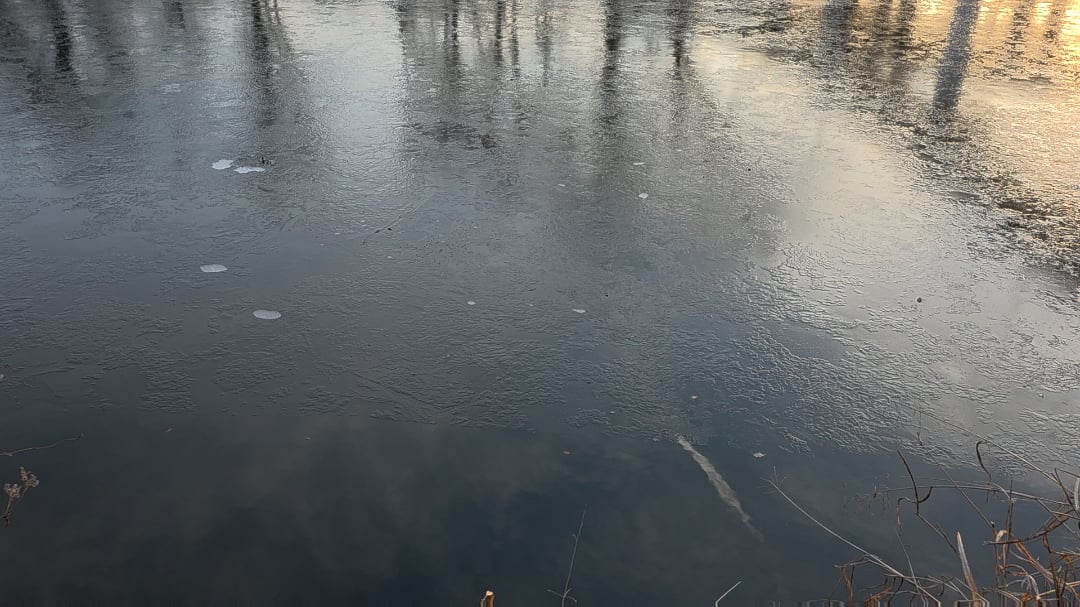
The way the ripple starts at the edge of the ice
Title: The Fascinating Physics: How Ripples Start at the Edge of the Ice
Meta Description: Discover the science behind why ripples form at the edges of melting ice, from temperature gradients to surface tension. Learn how this phenomenon occurs in nature and everyday life.
Introduction
Have you ever noticed delicate ripples forming at the edges of melting ice cubes in a glass of water or across the surface of a frozen lake? This mesmerizing phenomenon isn’t just random—it’s a dance of physics in action! In this article, we’ll unravel the secrets behind how and why ripples start at the edge of the ice, diving into thermodynamics, fluid dynamics, and the delicate balance of forces at play.
The Science of Ice Ripples: Why Edges Matter
1. Temperature Gradients Drive Movement
The process begins with temperature differences between the ice and its surroundings. Ice melts fastest at its edges because this is where it makes direct contact with warmer air or water. As the ice melts, it releases cold water, which sinks due to its higher density. Meanwhile, warmer water nearby rises, creating microscopic convection currents. These currents create instability, leading to the formation of ripples.
2. Surface Tension and the “Ripple Effect”
As the ice melts, a thin layer of water forms on its surface. Surface tension—the cohesive force that binds water molecules—plays a key role here. When wind, minor vibrations, or temperature fluctuations disturb this thin layer, it creates tiny waves that propagate outward from the ice’s edge. These amplify into visible ripples over time.
3. Irregular Edges as Ripple Catalysts
Ice rarely melts uniformly. Natural imperfections, cracks, or uneven edges create points where melting accelerates. These irregularities become “initiation zones” for ripples. For example, a jagged edge on an ice cube will disperse meltwater unevenly, creating turbulence that generates ripples more dramatically than a smooth surface.
Real-World Examples: From Glaciers to Your Drink
Glacial Lakes and Ice Shelves
In nature, meltwater ripples at the edges of glaciers or ice shelves often indicate rapid warming. Scientists study these patterns to monitor climate change impacts. The ripples form when frigid glacial meltwater meets warmer lake or ocean water, creating swirling currents that sculpt intricate patterns.
Ice Cubes in a Glass
Next time you sip a cold beverage, watch closely! As your ice cube melts, ripples will radiate from its submerged edges. This occurs because the meltwater (near 0°C) sinks, displacing slightly warmer water upward—a miniature convection loop perfect for ripple formation.
Frozen Ponds in Spring
During spring thaws, frozen ponds often develop “thermal cracks” radiating from their edges. Solar heating melts the ice unevenly, and cracks become channels for meltwater flow, producing concentric ripples as the ice retreats.
Key Factors Influencing Ripple Formation
- Ambient Temperature: Warmer surroundings speed up melting and ripple intensity.
- Ice Purity: Impurities in ice (e.g., minerals or air bubbles) disrupt uniformity, creating more ripple points.
- Fluid Motion: Wind or water flow can stretch or erase ripples.
- Ice Thickness: Thin ice melts faster, producing rapid, fine ripples.
Why Understanding This Matters
Beyond its aesthetic appeal, studying ice-edge ripples has practical implications:
- Climate Research: Tracking ripple patterns helps scientists model polar ice melt rates.
- Engineering: Insights into thermal stress aid in designing structures in cold environments.
- Mixology: Even bartenders use this science—controlled ice melt optimizes cocktail dilution!
Conclusion
The ripple effect at the edge of ice is a miniature marvel of physics. From the interplay of temperature gradients to the subtle tug-of-war between density and surface tension, this everyday phenomenon reveals the hidden complexity of our natural world. Whether you’re gazing at a glacier or stirring a cold drink, you’re witnessing a universal dance of energy and matter—starting at the edge.
Observe. Explore. Stay Curious.
Keywords for SEO: Ice ripple formation, melting ice physics, edge of ice ripples, thermal gradients in ice, surface tension water, convection currents ice melt, glacial melt patterns, why ice cubes ripple, science of melting ice, climate change ice dynamics.
Optimization Tips:
- Use high-quality images/videos of ice melting to boost engagement.
- Link to studies on glacial melt or thermodynamics for authority.
- Target long-tail keywords like “how do ripples form on melting ice?”
By combining science with real-world relevance, this content satisfies curiosity while ranking for niche search queries. Let the ripples of knowledge spread! 🌊❄️