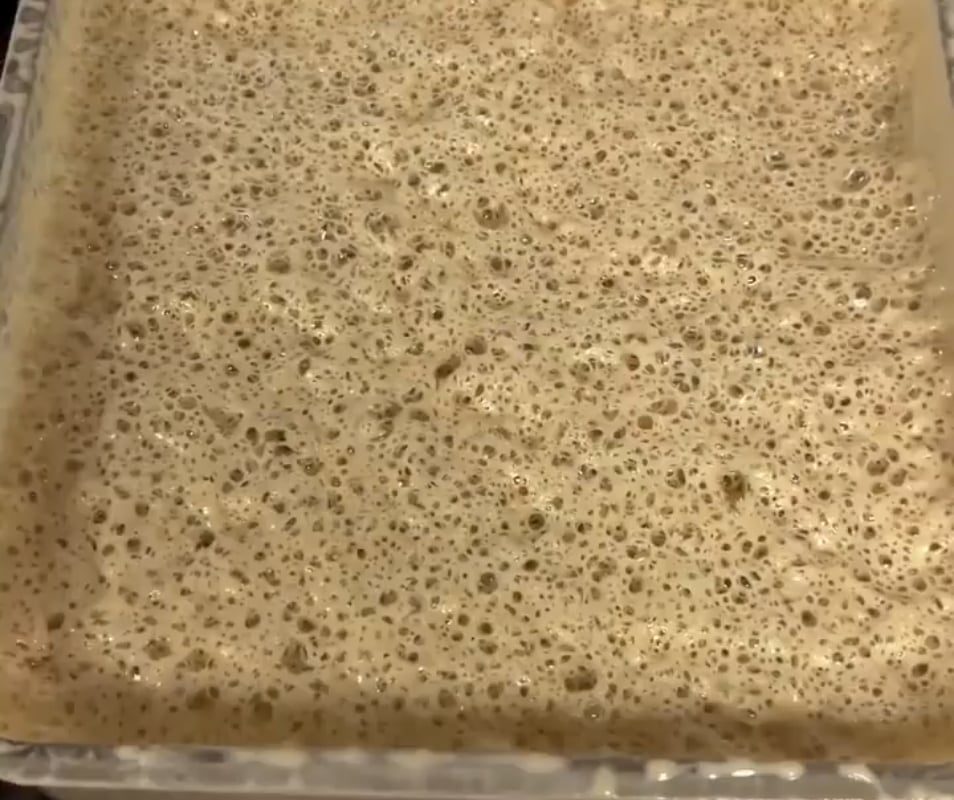
Fermented dough
Title: The Art and Science of Fermented Dough: Unlocking Flavor, Texture, and Health Benefits
Meta Description: Discover the magic of fermented dough! Learn how fermentation transforms bread, pizza, and pastries into healthier, tastier creations. Master techniques, benefits, and recipes.
What Is Fermented Dough?
Fermented dough is a centuries-old technique where natural microbes (like yeast and lactic acid bacteria) break down sugars and starches in flour. This slow, controlled process releases carbon dioxide, acids, and enzymes that create airy textures, complex flavors, and nutritional benefits. From crusty sourdough bread to fluffy pizza bases, fermentation elevates baked goods from ordinary to extraordinary.
The Science Behind Fermentation
Fermentation occurs when microorganisms metabolize carbohydrates in dough:
- Yeast Fermentation: Commercial or wild yeast (like in sourdough starters) consumes sugar, producing CO₂ (for rise) and alcohol (evaporates during baking).
- Lactic Acid Fermentation: Bacteria produce lactic and acetic acids, enhancing flavor and prolonging shelf life.
Key factors influencing fermentation:
- Time: Longer fermentation (up to 72 hours) boosts flavor and digestibility.
- Temperature: Cooler temps (18–22°C/64–72°F) slow fermentation, allowing deeper flavor development.
- Flour Type: Unbleached, whole-grain flours provide more nutrients for microbes.
5 Benefits of Fermented Dough
- Enhanced Digestibility
Enzymes break down gluten and phytic acid, reducing bloating and improving nutrient absorption. - Lower Glycemic Index
Slow fermentation lowers carbohydrate impact on blood sugar. - Rich, Complex Flavors
Acids and alcohols create tangy, nutty, or sweet notes absent in quick-rise doughs. - Longer Shelf Life
Natural acids inhibit mold growth, keeping bread fresh longer. - Probiotic Potential
Live cultures in dough (like sourdough) may support gut health.
How to Ferment Dough Like a Pro
-
Choose Your Starter:
- Wild Yeast (Sourdough): Mix flour and water, feed daily for 5–7 days.
- Commercial Yeast: Use less yeast (0.2% of flour weight) + extend rise time.
-
Mix & Autolyse:
Combine flour, water, and salt. Let rest 30–60 minutes to activate enzymes. -
Bulk Fermentation:
Let dough rise at room temperature for 3–12+ hours, folding periodically for gluten strength. -
Cold Fermentation (Optional):
Refrigerate dough overnight to intensify flavor (ideal for pizza or baguettes).
Popular Types of Fermented Dough
- Sourdough: Uses wild yeast for tangy, chewy loaves.
- Poolish: A wet, pre-fermented dough (equal parts flour/water) for airy ciabatta.
- Biga: Italian stiff starter with less water, perfect for focaccia.
- Yakitori Tangzhong: Fermented Asian milk bread for pillowy softness.
Troubleshooting Fermented Dough
- Over-Fermented Dough: Slack texture, sour odor. Fix by reshaping and baking ASAP.
- Under-Fermented Dough: Dense crumb. Extend rise time in a warm spot.
- Starter Issues: If inactive, feed with rye flour or pineapple juice to revive.
FAQ About Fermented Dough
Q: Can I ferment gluten-free dough?
Yes! Use buckwheat, rice flour, or psyllium husk with a gluten-free starter.
Q: How do I store fermented dough?
Refrigerate up to 3 days or freeze for 1 month.
Q: Does fermented dough need sugar?
No—flour’s natural sugars feed microbes.
Final Thoughts
Fermented dough isn’t just a trend—it’s a return to tradition that enhances taste, texture, and health. Whether baking artisanal loaves or weekday pizza, embracing fermentation unlocks a world of possibilities. Start small, experiment with times and temperatures, and savor the delicious rewards!
Ready to bake? Share your fermented dough creations with #SlowRiseMagic!
SEO Keywords: fermented dough, sourdough fermentation, dough fermentation benefits, how to ferment dough, fermented bread, slow fermentation dough, yeast fermentation, lactic acid dough, fermented pizza dough.
Optimize your baking journey with fermented dough—the secret to unforgettable breads and gut-friendly goodness! 🥖✨