Wildfires in Lirquén Penco Chile
Title: Wildfires in Lirquén, Penco, Chile: Causes, Impacts, and Strategies for Resilience
Meta Description: Explore the causes, environmental impacts, and community response to recent wildfires in Lirquén, Penco, Chile. Learn how climate change and prevention efforts shape this critical issue.
Introduction
Lirquén, a coastal area in the commune of Penco, Chile, is known for its lush forests and proximity to the Bio-Bío River. However, in recent years, wildfires have increasingly threatened this tranquil region, causing ecological devastation, displacing residents, and heightening concerns about climate change. This article delves into the causes, impacts, and ongoing efforts to combat wildfires in Lirquén, Penco, Chile, while highlighting the resilience of affected communities.
The Rising Threat of Wildfires in Chile
Chile faces a growing wildfire crisis due to its Mediterranean climate—characterized by hot, dry summers—and prolonged droughts linked to climate change. In February 2023, Chile recorded its deadliest wildfire season in a decade, with over 440,000 hectares burned nationwide. Lirquén, located in the Bio-Bío Region—one of Chile’s most fire-prone areas—has not been spared.
Key Causes of Wildfires in Lirquén, Penco:
- Climate Conditions: Extended droughts and record-high temperatures create tinder-like conditions in forests and grasslands.
- Human Activity: Accidental fires from agricultural burns, discarded cigarettes, or unattended campfires are frequent culprits.
- Urban Expansion: As Penco’s population grows, urban-wildland interfaces become hotspots for ignition.
- Strong Winds: Coastal winds in the Bio-Bío Region rapidly spread flames, overwhelming firefighting efforts.
Recent Wildfires in Lirquén and Their Impacts
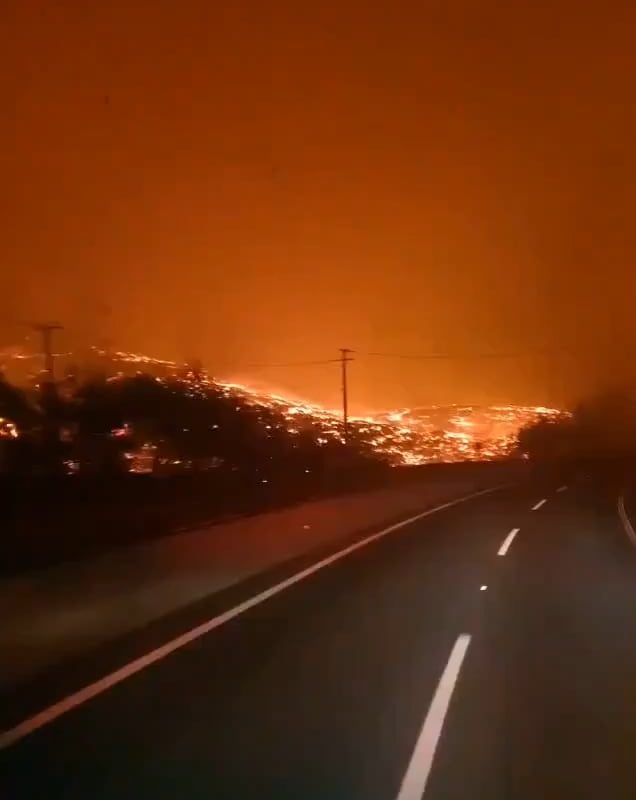
In early 2024, a wildfire erupted near Lirquén’s forested hills, fueled by dry vegetation and 50 km/h winds. While smaller in scale compared to Chile’s mega-fires, it underscored systemic vulnerabilities:
- Environmental Damage: Native species like the Chilean palm (Jubaea chilensis) and wildlife habitats were destroyed.
- Health Hazards: Smoke caused respiratory issues, particularly for children and the elderly in Penco.
- Economic Losses: Local timber industries and agriculture suffered disruptions.
- Displacement: Families in peri-urban areas evacuated as flames encroached.
Community and Government Response
Chile has invested heavily in wildfire management since the catastrophic 2017 fires. In Lirquén and Penco, responses include:
-
Preventive Measures:
- CONAF (National Forestry Corporation) conducts controlled burns and clears firebreaks.
- Public campaigns educate residents on fire prevention.
-
Firefighting Efforts:
- Helicopters and ground crews collaborate to contain outbreaks.
- International aid (e.g., from Argentina and the EU) supplements local resources.
-
Policy Changes:
- Stricter regulations on land use and burning during high-risk periods.
- Reforestation initiatives to restore fire-ravaged ecosystems.
Climate Change: A Catalyst for Disaster
Scientists attribute Chile’s worsening fires to climate change, which has:
- Reduced rainfall by 30% in central Chile since 2010.
- Increased average temperatures by 1.5°C over the past century.
These shifts extend the “fire season,” putting regions like Lirquén at perpetual risk.
Building Resilience in Lirquén and Beyond
-
Community Preparedness:
- Early warning systems and evacuation drills for high-risk zones.
- Volunteer firefighter networks trained in wildfire suppression.
-
Ecological Restoration:
- Planting fire-resistant native species to reduce flammability.
- Protecting watersheds to combat drought.
-
Global Collaboration:
- Chile’s participation in international climate agreements like the Paris Accord.
Conclusion
Wildfires in Lirquén, Penco, Chile, are a stark reminder of the interplay between climate change, human activity, and environmental vulnerability. While challenges persist, coordinated efforts between communities, government agencies, and global partners offer hope for a more fire-resilient future. By prioritizing prevention, sustainable land management, and climate adaptation, Lirquén can safeguard its natural heritage for generations to come.
Keywords for SEO:
Wildfires in Lirquén Chile, Penco Chile wildfires, Bio-Bío Region wildfires, Chile forest fires, wildfire prevention Chile, climate change Chile, CONAF firefighting, Chilean wildfire causes, wildfire resilience strategies.
Internal Linking Suggestions (if applicable):
- [How Climate Change Fuels Wildfires in South America]
- [Chile’s Reforestation Efforts Post-Fires]
- [A Guide to Community Fire Safety in Chile]
Image Alt Text Recommendations:
- “Aerial view of Lirquén wildfire near Penco, Chile”
- “CONAF firefighters battling flames in Bio-Bío Region”
- “Community volunteers planting trees after Lirquén fire.”
By addressing local context and global implications, this article aims to inform readers while optimizing for search engines. For updates, follow Chile’s National Disaster Prevention and Response Service (SENAPRED) or CONAF.