Harvest season with advance technology
Title: Revolutionizing Harvest Season: How Advanced Technology is Transforming Agriculture
Meta Description: Explore how cutting-edge technologies like AI, IoT, drones, and automation are reshaping harvest season for greater efficiency, sustainability, and profitability.
Introduction
For centuries, harvest season has been the pinnacle of agriculture—an intense period of labor, timing, and risk. Farmers have historically relied on manual labor, intuition, and favorable weather to gather crops. Today, however, advancements in technology are revolutionizing harvest season, making it faster, smarter, and more sustainable. From AI-driven predictions to automated machinery, innovation is helping farmers optimize yields, reduce waste, and navigate challenges like climate change and labor shortages.
In this article, we’ll dive into the tech-driven tools transforming harvest season and how they’re creating a new era of precision agriculture.
1. AI & Machine Learning: Smarter Harvest Predictions
Artificial intelligence (AI) is a game-changer for harvest planning. By analyzing vast datasets—including weather patterns, soil health, and crop growth stages—AI algorithms predict the optimal harvest window with unprecedented accuracy.
- Yield Forecasting: Platforms like Google’s TensorFlow or IBM Watson analyze satellite imagery and sensor data to forecast yields, helping farmers allocate resources efficiently.
- Disease Detection: AI-powered apps scan crops for early signs of disease or pests, allowing timely interventions before harvest.
- Quality Grading: Machine learning models automatically grade produce quality (e.g., ripeness, size), streamlining sorting and reducing human error.
2. IoT & Smart Sensors: Real-Time Monitoring
The Internet of Things (IoT) connects farms through networks of sensors, drones, and smart devices, turning harvest into a data-driven operation.
- Soil and Crop Sensors: Devices monitor soil moisture, nutrient levels, and crop maturity in real time, signaling when crops are ready for harvest.
- Climate Control: Smart greenhouses autonomously adjust temperature, humidity, and light to accelerate ripening ahead of harvest.
- Remote Asset Tracking: GPS-enabled sensors track machinery, helping farmers deploy harvesters and trucks where they’re needed most.
3. Drones & Aerial Imaging: Precision Harvest Mapping
Drones equipped with high-res cameras and thermal imaging provide a bird’s-eye view of fields, enabling precise harvest strategies.
- Crop Health Mapping: Drones identify underperforming zones, allowing farmers to prioritize harvesting healthy areas first.
- Inventory Management: Aerial scans estimate crop volume, aiding logistics planning for storage and transport.
- Safety Monitoring: Drones inspect hard-to-reach areas, reducing risks for workers during the busy harvest period.
4. Automation & Robotics: The Rise of Smart Harvesters
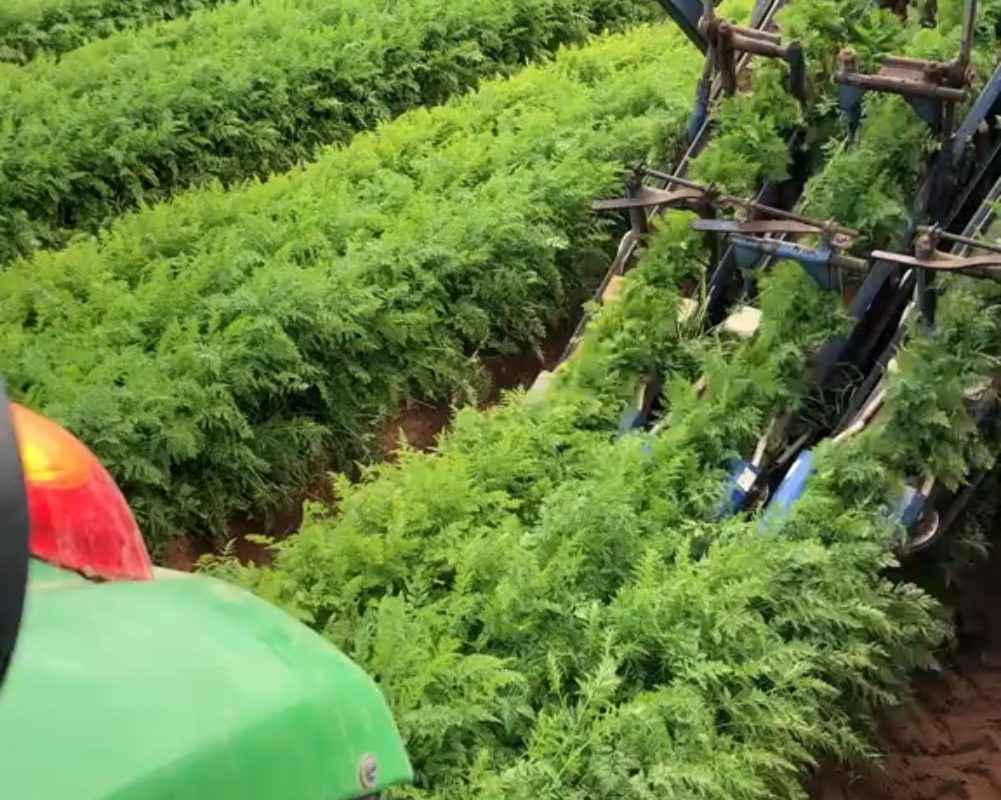
Labor shortages have plagued agriculture for decades, but robotics is filling the gap. Autonomous harvesters now pick fruits, veggies, and grains with speed and precision.
- Robotic Pickers: Machines like Agrobot or Tevel’s flying harvesters use AI vision to gently harvest delicate crops like strawberries or apples.
- Self-Driving Tractors: Companies like John Deere and Caterpillar offer autonomous tractors that work 24/7, even in low-visibility conditions.
- Sorting & Packaging Bots: Post-harvest, robots sort produce by size, weight, and defects, minimizing waste and accelerating distribution.
5. Blockchain & Traceability: Transparent Supply Chains
Blockchain isn’t just for finance—it’s enhancing harvest transparency. Farmers, distributors, and retailers use decentralized ledgers to track crops from field to shelf.
- Quality Assurance: Blockchain records verify harvest dates, storage conditions, and certifications (e.g., organic, fair trade).
- Reduced Fraud: Consumers scan QR codes to confirm the origin of produce, combating food fraud.
- Efficient Recalls: If contamination occurs, blockchain identifies affected batches instantly, protecting brand reputations.
6. Data Analytics: Smarter Decisions Post-Harvest
Data isn’t just collected—it’s transformed into actionable insights for future harvests. Advanced analytics platforms like Rockfarm or Cropio help farmers:
- Optimize Storage Conditions: Predict ideal temperature/humidity levels to extend shelf life.
- Market Timing: Analyze price trends to determine the best time to sell harvested crops.
- Sustainability Metrics: Track water, fuel, and fertilizer usage to reduce environmental impact.
The Benefits of Tech-Driven Harvesting
- Efficiency: Faster harvests mean crops are gathered at peak freshness, reducing spoilage.
- Higher Yields: Precision tools ensure no crop is overlooked, boosting profitability.
- Sustainability: Less fuel, water, and chemical waste aligns with eco-friendly farming goals.
- Labor Solutions: Automation mitigates dependency on seasonal workers.
Challenges & The Road Ahead
While technology holds immense promise, barriers like high upfront costs, connectivity gaps (especially in rural areas), and training hurdles persist. Governments and tech firms are partnering to bridge this gap through subsidies, education, and 5G infrastructure expansion.
Looking forward, emerging innovations like AI-powered pollination, genetic crop optimization, and vertical farming integration could make harvest season a year-round, climate-resilient process.
Conclusion
Harvest season no longer hinges solely on manual labor and luck. With advanced technology, farmers can harness data, automation, and connectivity to maximize output, minimize risks, and feed a growing global population sustainably. As tools become more accessible and affordable, the future of harvest season will be defined by precision, intelligence, and resilience.
FAQs
Q: Can small-scale farms afford harvest technology?
A: Yes! Many SaaS platforms (e.g., FarmLogs) offer subscription-based tools, and governments often provide grants for tech adoption.
Q: How does AI reduce harvest waste?
A: AI predicts weather risks and crop readiness, ensuring crops are picked at the right time. Automated sorting also rejects defective produce early.
Q: Are robotics replacing farm jobs?
A: While automation handles repetitive tasks, it creates new roles in tech management, maintenance, and data analysis.
Q: Do drones require special training?
A: Basic drones are user-friendly, but commercial models may require certification (e.g., FAA Part 107 in the U.S.).
Optimize your harvest with technology today—subscribe for the latest agtech insights! 🌾🤖