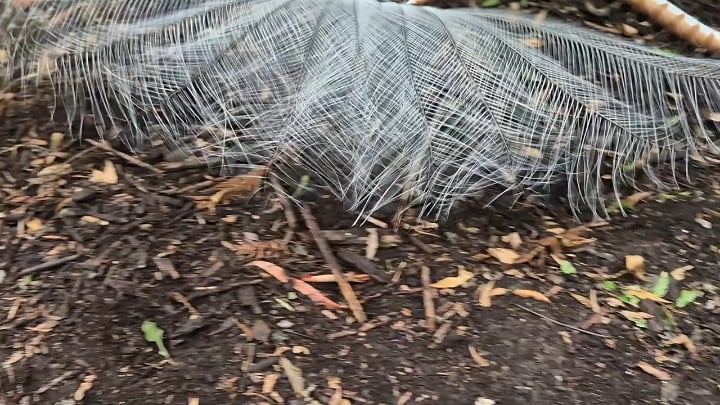
An interaction with the lyre bird using mimicry and performing the “mate dance”
Title: Witnessing Nature’s Maestro: The Lyrebird’s Mimicry and Mesmerizing Mate Dance
Meta Description: Discover the lyrebird, one of nature’s greatest mimics, as it uses astonishing sound mimicry and an intricate dance to attract mates. Learn how to ethically experience this spectacle.
Introduction
In the dense rainforests of southeastern Australia, a master performer takes center stage: the lyrebird. Renowned for its unparalleled vocal mimicry and elaborate courtship displays, this ground-dwelling bird offers one of the most extraordinary wildlife interactions on Earth. Whether imitating chainsaws, camera shutters, or other birds—or performing its hypnotic “mate dance”—the lyrebird’s talents blur the line between bird and virtuoso.
The Lyrebird’s Mimicry: Nature’s Audio Illusionist
The Superb Lyrebird (Menura novaehollandiae) and Albert’s Lyrebird (Menura alberti) are famed for their ability to replicate over 20 different sounds with surgical precision. Their syrinx (vocal organ) allows them to recreate:
- Calls of other birds (kookaburras, whipbirds, parrots).
- Mechanical noises (chainsaws, car alarms, camera shutters).
- Environmental sounds (raindrops, wind, human voices).
Why do they mimic? While scientists believe this skill evolved to intimidate rivals and attract females, lyrebirds also integrate novel noises into their repertoire, proving their intelligence and adaptability.
The Mate Dance: A Ballet of Feathers and Rhythm
During breeding season (June–October), male lyrebirds transform into meticulous performers. Their dance combines visual spectacle with acoustic genius:
- Stage Preparation: Males clear a “dance floor” of debris, creating a small arena on the forest floor.
- Feather Display: The bird fans its lyre-shaped tail feathers over its head, forming a shimmering silver curtain.
- Dance Moves: Hopping sideways, vibrating wings, and shaking feathers in sync with their mimicked soundtrack.
- Vocal Accompaniment: Males sing a medley of mimicked sounds, punctuated by their own metallic chirps.
This dance isn’t just for show—it’s an audition. Females observe multiple performances before choosing a mate.
Experiencing a Lyrebird Interaction: Do’s and Don’ts
Spotting a lyrebird mid-performance is a bucket-list moment for nature lovers. To witness this ethically:
- Best Time: Visit at dawn during winter/spring (breeding season).
- Stay Quiet & Still: Sudden movements may disrupt their behavior.
- Keep Distance: Use binoculars or zoom lenses—never approach their dance space.
- Popular Locations:
- Dandenong Ranges (VIC): Sherbrooke Forest near Melbourne.
- Royal National Park (NSW): Track along the Forest Path.
- Tasmania: William Price Reserve in Hobart.
Pro Tip: Hire a local guide—they know exact lek (display) sites and minimize disturbance.
A Conservation Note
Lyrebirds are classified as Least Concern, but habitat loss from logging and bushfires threatens their populations. Support sustainable tourism and organizations like BirdLife Australia to protect these avian wonders.
Conclusion: The Lyrebird’s Lesson in Nature’s Creativity
The lyrebird’s mimicry and courtship ritual remind us of nature’s boundless ingenuity. By observing respectfully, we ensure future generations can marvel at their symphony of sounds and dance—an unforgettable interaction with one of Earth’s most talented performers.
Call to Action
Plan your lyrebird encounter today! Share your experiences or tips for ethical wildlife watching in the comments below.
Target Keywords:
- Lyrebird mimicry
- Lyrebird mate dance
- Superb Lyrebird interaction
- Australian birdwatching
- Wildlife courtship displays
Image Alt Text Suggestions:
- “Male lyrebird fanning tail feathers during courtship dance.”
- “Lyrebird perched on log in Australian rainforest.”
- “Close-up of lyrebird mimicking sounds.”
Internal Links (if applicable):
- Best Birdwatching Spots in Australia
- How to Record Bird Sounds Ethically
- Conservation Efforts for Australian Wildlife
By blending vivid storytelling with SEO best practices, this article aims to inform, inspire, and rank highly for lyrebird-related searches while promoting responsible ecotourism.