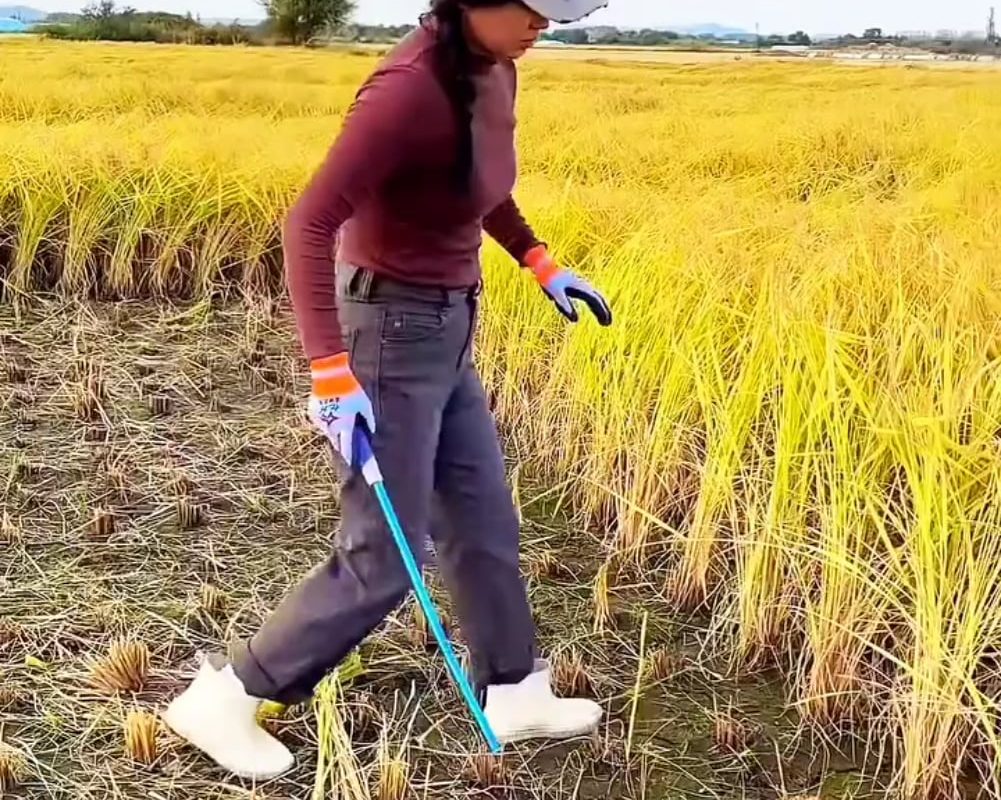
Her method for cutting paddy
Title: Her Method for Cutting Paddy: An Eco-Friendly, Efficient Approach to Rice Harvesting
Meta Description: Discover a traditional yet effective method for cutting paddy (rice) that preserves grain quality, reduces waste, and honors sustainable farming practices. Learn step-by-step insights today!
Introduction
In rural agricultural communities, the art of paddy (rice) harvesting often relies on time-tested methods passed down through generations. One such approach—colloquially known as “her method” for cutting paddy—combines simplicity, efficiency, and respect for the crop. Whether attributed to a grandmother, local farmer, or cultural tradition, this technique prioritizes gentle handling, minimal grain loss, and sustainability. In this article, we explore this method in detail, its benefits, and how it contrasts with modern mechanized harvesting.
What Is “Her Method” for Cutting Paddy?
“Her method” refers to a manual technique for harvesting rice using basic tools like a sickle (lihang or arit), careful hand movements, and intuitive timing. Key principles include:
-
Timing the Harvest Perfectly
Rice is cut when grains are 80–85% mature—golden-yellow but still slightly firm. Harvesting too early increases moisture; too late raises the risk of shattering (grain loss). -
Using Sharp, Curved Sickles
A well-maintained sickle ensures clean cuts at the base of the stalks, minimizing damage to grains and stalks. -
Bending Stalks, Not Breaking
Workers gently gather stalks into bundles with one hand while cutting with the other, ensuring stalks remain intact for easy binding. -
Laying Harvested Rice Strategically
Cut stalks are laid uniformly in the field to dry before threshing, reducing mold risk and easing collection.
Step-by-Step Guide to Her Paddy-Cutting Method
-
Prepare Tools
Sharpen the sickle and wear gloves to avoid blisters. -
Gather Stalks
Hold 5–10 stalks at a time, slightly bending them to expose the base. -
Cut at the Base
Slice stalks 10–15 cm above soil level—high enough to avoid mud but low enough to maximize yield. -
Bundle and Dry
Group stalks into sheaves (typically 30–50 cm in diameter). Secure them with rice straw or twine and leave them upright or draped over uncut rows to sun-dry for 2–3 days. -
Thresh and Winnow
Beat dried sheaves to separate grains, then winnow (toss in the wind) to remove chaff.
Benefits of Traditional Paddy Cutting
- Less Grain Loss: Unlike combine harvesters, manual cutting reduces grain shatter.
- Preserved Straw Quality: Intact stalks are ideal for thatch, crafts, or composting.
- Eco-Friendly: No fuel emissions, noise, or soil compaction from machinery.
- Cost-Effective: Requires minimal investment beyond labor.
How It Compares to Modern Harvesting
| Aspect | Her Method | Mechanical Harvesting |
|---|---|---|
| Grain Loss | Minimal (1–3%) | Moderate (5–10%+) |
| Labor | High (skill-intensive) | Low (machine-operated) |
| Environmental Impact | Zero emissions | High (fuel-dependent) |
| Straw Usability | High (intact stalks) | Low (chopped/mixed with soil) |
Cultural and Practical Significance
- Preserving Heritage: This method connects farmers to ancestral knowledge and communal work traditions (bayanihan in the Philippines, gotong royong in Indonesia).
- Adaptability: Ideal for small farms, uneven terrain, or organic rice cultivation.
- Women’s Role: Historically, women led paddy-cutting due to their meticulous handling—honoring their contribution to food security.
Tips for Optimizing This Approach
- Time Work Early: Cut paddy in early morning to avoid heat stress and moisture loss.
- Rotate Teams: Assign roles—cutting, bundling, drying—to streamline workflow.
- Compost Residue: Use leftover straw as mulch or fertilizer.
Conclusion
“Her method” for cutting paddy represents more than just a harvesting technique—it’s a philosophy of mindful farming that prioritizes quality, sustainability, and respect for the land. While mechanization dominates large-scale operations, this approach remains invaluable for smallholders, eco-conscious farmers, and communities preserving cultural identity. By blending tradition with practical know-how, we ensure rice farming remains both productive and harmonious with nature.
Keywords: paddy cutting method, traditional rice harvesting, sustainable rice farming, manual paddy harvesting, female farmers rice technique, eco-friendly rice harvest, rice sickle technique.
Tags: #RiceHarvesting #SustainableFarming #TraditionalAgriculture #PaddyCutting #FarmersTechnique