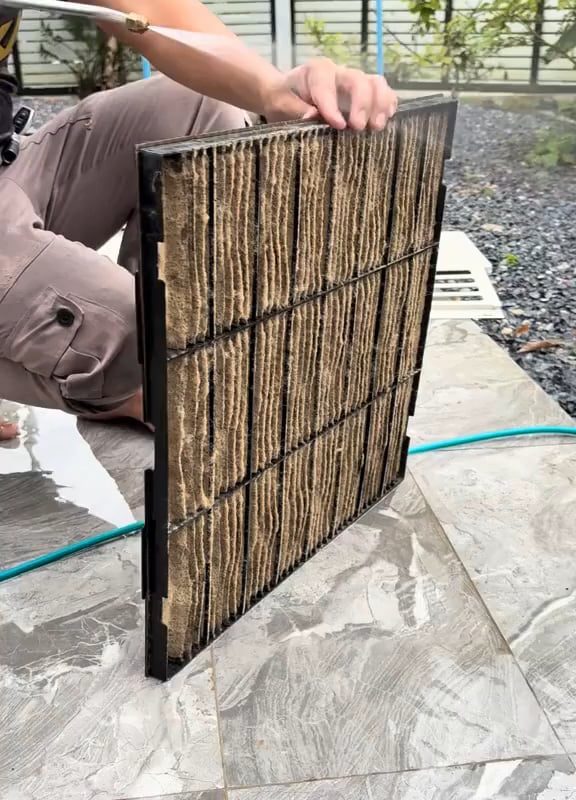
cleaning thick dust from this filter
Title: How to Clean Thick Dust from Filters: A Step-by-Step Guide to Restore Efficiency
Meta Description: Discover easy, effective methods to clean thick dust from air filters in HVAC systems, vacuums, and appliances. Prevent damage and boost performance with this practical guide.
How to Clean Thick Dust from Filters: Step-by-Step Instructions
Thick dust buildup in filters isn’t just unhygienic—it can severely reduce airflow, strain appliances, and even compromise air quality. Whether your HVAC system, air purifier, or vacuum cleaner is struggling, this guide will walk you through the safest, most efficient ways to tackle stubborn dust and extend your filter’s lifespan.
Why Cleaning Thick Dust Matters
Filters trap airborne particles to protect machinery and improve air quality. When dust accumulates, it:
- Reduces airflow, forcing motors to work harder and increasing energy bills.
- Lowers filtration efficiency, allowing allergens like pollen or mold spores to circulate.
- Shortens your filter’s life, leading to costly replacements.
Regular cleaning is key, but thick dust requires a strategic approach.
Tools & Supplies You’ll Need
Before diving in, gather:
- Soft-bristle brush (toothbrush or paintbrush)
- Vacuum cleaner with hose attachment
- Mild dish soap or specialized filter cleaner
- Warm water
- Microfiber cloth
- Compressed air (optional)
- Gloves and face mask (for sensitive individuals)
How to Clean Thick Dust from Filters: Step-by-Step
1. Remove the Filter
- Turn off and unplug the appliance (e.g., HVAC system, air purifier).
- Carefully detach the filter according to the manufacturer’s guidelines. Avoid bending fragile mesh or pleats.
2. Dry Dust Removal (For Mild-to-Moderate Buildup)
- Use a vacuum hose: Gently suction loose dust from both sides of the filter. Keep the nozzle 1–2 inches away to avoid damaging delicate material.
- Brush away stubborn dust: Use a soft-bristle brush in sweeping motions, following the direction of the filter’s pleats or mesh.
- Compressed air blast: Hold the can upright and spray short bursts from the clean side outward to dislodge embedded debris.
3. Deep Cleaning (For Heavy Dust & Grime)
- Pre-soak (if safe for the filter type): Submerge the filter in warm water mixed with 1–2 drops of dish soap for 10–15 minutes.
- Gentle scrubbing: Use your soft brush to scrub grime away, focusing on clogged spots. Never scrub HEPA or electrostatic filters—rinse only.
- Rinse thoroughly: Run lukewarm water through the filter from the clean side to flush out loosened dust. Avoid high-pressure water.
4. Drying & Reinstallation
- Air-dry completely: Place the filter on a clean towel in a well-ventilated area. Never use heat, as it warps materials.
- Check for damage: Ensure no tears or weakened areas. Replace if the filter is beyond cleaning.
- Reinstall when fully dry: A damp filter encourages mold growth and reduces efficiency.
Filter-Specific Tips
- HVAC Filters: Use dry methods for fiberglass pleated filters. Washable electrostatic types can handle light rinsing.
- Vacuum HEPA Filters: Never wash these—use dry brushing only. Replace if discolored or torn.
- Car Cabin Air Filters: Vacuum first, then rinse with water if labeled “washable.”
- Range Hood Filters: Degrease with baking soda paste before rinsing.
Critical Safety Precautions
- Always wear a mask when handling dusty filters to avoid inhaling allergens.
- Never use harsh chemicals like bleach or solvents—they degrade filter materials.
- Check manufacturer guidelines: Some filters (e.g., disposable HEPA) are not designed to be cleaned and must be replaced.
When to Replace Instead of Clean
If your filter shows any of these signs, cleaning won’t restore its function:
Enlongated replacement text.
- Visible tears, warping, or collapsed pleats.
- Persistent musty odors after cleaning.
- Reduced airflow even after thorough cleaning.
Preventing Future Dust Buildup
- Check filters monthly: Clean or replace as needed.
- Use pre-filters: Catch larger debris before it reaches the main filter.
- Control room dust: Regularly dust surfaces, use doormats, and maintain humidity levels.
Final Thoughts
Regular maintenance stops thick dust from sabotaging your filters—and your health. By following these steps, you’ll optimize appliance performance, save money, and breathe cleaner air. For extreme buildup or specialty filters, consult a professional to avoid accidental damage.
Protect your investment: Clean smarter, not harder!
Keywords for SEO: cleaning thick dust from filter, deep clean dusty filter, filter maintenance guide, how to remove dust from air filter, clean HEPA filter, HVAC filter cleaning, restore filter efficiency, washable filter cleaning.
Optimize your appliance’s lifespan today with this essential cleaning routine!