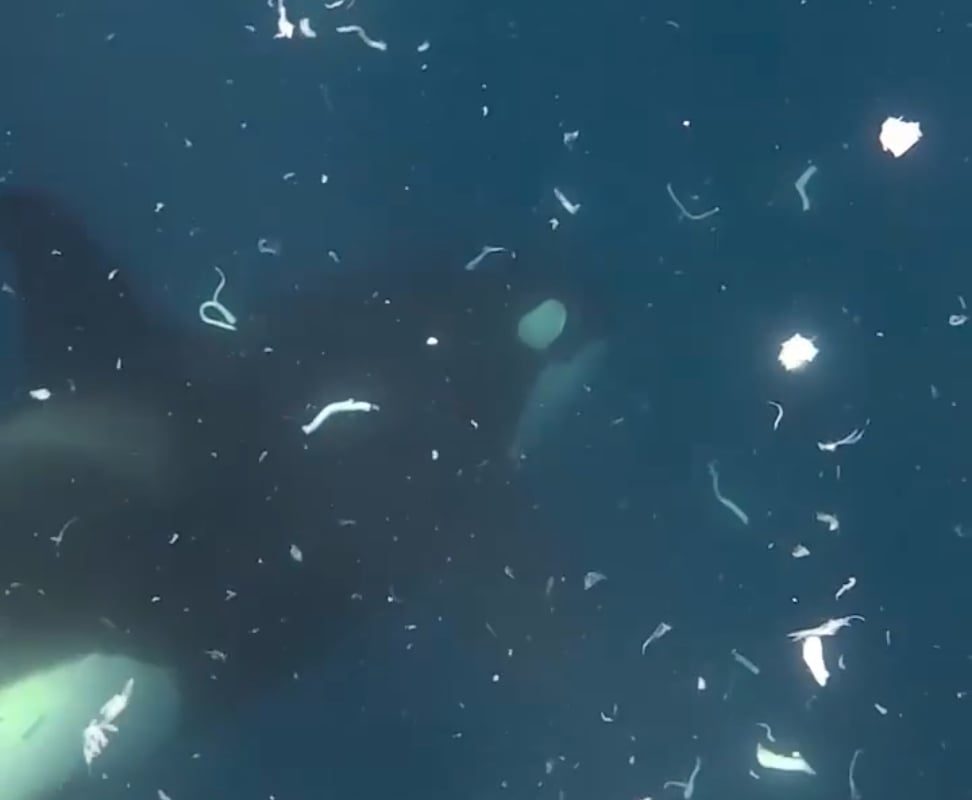
Orca rams a Sunfish
Title: Orca Rams a Sunfish: Unraveling the Rare Marine Encounter
Meta Description: Dive into the rare incident of an orca ramming a sunfish, exploring the behavior of these marine giants, scientific theories, and why this clash captivates experts.
The Baffling Event: An Orca Rams a Sunfish
In 2022, off the coast of Spain’s Strait of Gibraltar, marine biologists witnessed a startling sight: an orca violently ramming a massive oceanic sunfish (Mola mola). The encounter, captured on video, spread quickly online, leaving viewers puzzled. Orcas, or killer whales, are apex predators known for hunting seals, fish, and even whales—but why target a sluggish sunfish? This rare event raises questions about predator behavior, prey survival, and the mysteries of ocean ecosystems.
The Contenders: Orca vs. Sunfish
Orca (Killer Whale): The Ocean’s Apex Hunter
- Intelligence & Strategy: Orcas collaborate in pods to hunt prey, using techniques tailored to their targets (e.g., wave-washing seals off ice).
- Diet Variety: While coastal orcas favor fish, others hunt marine mammals. Sunfish are rarely on the menu, making this ramming unusual.
Sunfish (Mola mola): Gentle Giant of the Sea
- Size & Peculiarity: Weighing up to 2,200+ lbs, sunfish are the heaviest bony fish. Their flattened bodies and slow movement make them appear vulnerable.
- Survival Adaptations: Sunfish rely on thick skin and rapid growth to deter predators, but they lack speed or agility.
Why Would an Orca Attack a Sunfish?
Scientists propose three compelling theories:
-
Training for Young Pod Members
Orcas teach juveniles hunting skills using low-risk targets. A sunfish’s size and slow speed could serve as “practice” for handling larger prey. -
Play or Curiosity
Orcas are highly social and curious. Rams, tail slaps, or tossing prey could be play rather than a food-driven attack. -
Opportunistic Feeding (or Not)
Though nutrient-poor, sunfish livers offer fats. However, most attacks show orcas abandon the kill, suggesting feeding isn’t the goal.
Ecological Impact: What This Means for Marine Life
- Sunfish Resilience: Despite injuries, sunfish often survive attacks due to rapid healing and thick skin.
- Predator Flexibility: Orca adaptability highlights their role in balancing ocean food webs, even with atypical prey.
A Rare Phenomenon—But Not Unprecedented
While the 2022 event went viral, similar interactions occur:
- Norway (2020): Orcas were filmed tossing sunfish near Lofoten.
- California (2019): Researchers noted sunfish with orca-inflicted scars.
These cases suggest sunfish may be targeted more often than we realize—but lack of deep-sea observation limits data.
FAQs: Orca and Sunfish Encounters
Q: Do orcas eat sunfish?
A: Rarely. Sunfish lack nutritional value compared to fatty prey like seals, making them unlikely meals.
Q: Can a sunfish escape an orca?
A: Unlikely due to speed differences. Survival depends on the orca losing interest or the sunfish’s durability.
Q: Is this behavior linked to climate change?
A: No direct evidence, but shifting prey availability due to warming oceans could push orcas to explore new targets.
Conclusion: A Window into Ocean Mysteries
The orca-sunfish clash underscores how much remains unknown about marine life. While orcas may ram sunfish for play, training, or sheer curiosity, each encounter reveals the dynamic strategies of ocean predators and the resilience of their prey. Protecting these ecosystems is crucial—after all, survival in the deep blue depends on understanding its hidden dramas.
Call to Action:
Learn how to support marine conservation through ethical wildlife tourism, reducing plastic waste, or donating to oceanic research initiatives!
Keywords for SEO: Orca attacks sunfish, killer whale behavior, sunfish defense mechanism, marine predator-prey, orca ramming sunfish, oceanic sunfish facts, whale hunting tactics, rare marine encounters.
Feature multimedia tip: Embed videos/posts from credible marine biology channels (e.g., NatGeo, BBC Earth) to boost engagement.