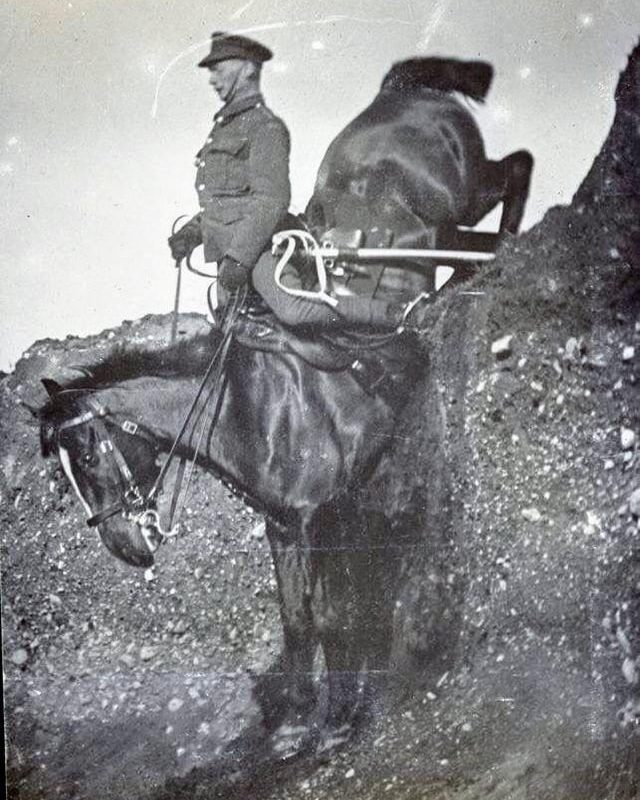
Calvary horses traversing steep terrain.
Calvary Horses Traversing Steep Terrain: Masters of Mountainous Warfare
For centuries, cavalry horses served as vital assets in military campaigns, excelling not just on open battlefields but also in navigating treacherous landscapes. Among their most remarkable feats was traversing steep, rugged terrain—a testament to their endurance, agility, and unyielding partnership with riders. This article explores how these equine warriors conquered mountains, cliffs, and unstable slopes to secure tactical advantages in historic conflicts.
The Unmatched Adaptability of Cavalry Horses
Cavalry horses were bred and trained specifically to overcome environmental challenges. Breeds like the Arabian, Andalusian, and Mustang possessed innate traits ideal for steep terrain:
- Sturdy Conformation: Compact builds, strong hindquarters, and tough hooves provided stability on uneven ground.
- Exceptional Balance: A low center of gravity helped them navigate narrow ridges and slippery slopes.
- Endurance: High stamina allowed them to climb for hours despite thin air and harsh weather.
These traits made them indispensable in mountainous regions like the European Alps, the Andes, and the Hindu Kush, where conventional infantry struggled to advance.
Training for the Ultimate Challenge
Preparing cavalry horses for steep terrain required rigorous, specialized training:
- Desensitization: Horses were exposed to rocky paths, sudden drops, and loose debris to minimize panic.
- Weight-Bearing Exercises: Riders practiced mounting and dismounting on inclines to distribute weight safely.
- Terrain Simulation: Trainers recreated natural obstacles, such as streams and scree slopes, to build confidence.
- Trust Building: Horses learned to rely on their riders’ cues when visual judgment was limited (e.g., fog or dense forest).
This training forged horses into fearless climbers capable of traversing gradients exceeding 45 degrees.
Historic Campaigns Won on High Ground
Steep terrain often dictated the outcome of legendary battles:
- Hannibal’s Alpine Crossing (218 BCE): Carthaginian cavalry horses scaled icy cliffs to ambush Rome, leveraging surprise and high-ground advantage.
- Napoleon’s Italian Campaigns: French light cavalry scaled the Apennines to flank Austrian troops, proving mobility outweighed numbers.
- American Indian Wars: U.S. Cavalry used Mustangs to pursue tribes through the Rocky Mountains, though indigenous riders held a superior understanding of the land.
In each case, horses that could scramble up cliffs or descend rapidly decided victories.
Challenges of Mountain Warfare for Horses
Despite their prowess, cavalry horses faced immense risks in steep terrain:
- Injury: Loose rocks, hidden crevices, and falls led to broken legs or fatal wounds.
- Exhaustion: Thin oxygen at high altitudes caused fatigue, dehydration, and colic.
- Limited Forage: Sparse vegetation forced armies to carry bulky feed supplies.
- Weather Extremes: Snow, rain, or heat exacerbated physical strain.
Losses were high, but successful units mitigated these risks through meticulous planning and horsemanship.
The Legacy of Mountain-Trained Cavalry Horses
While modern warfare has replaced horses with machinery, their legacy endures:
- Equestrian Sports: Competitions like endurance riding and competitive trail challenges mimic cavalry terrain training.
- Search and Rescue: Mountain rescue teams still use horses to reach remote areas inaccessible to vehicles.
- Cultural Impact: Films like The Lord of the Rings (featuring the Rohan riders) romanticize cavalry horses’ mountain-defying courage.
Today’s horsemen study historical cavalry techniques to train agile trail horses, proving these age-old skills remain relevant.
Conclusion: Icons of Resilience
Cavalry horses that conquered steep terrain embodied the perfect synergy of nature and nurture—their physical gifts honed by relentless training and human ingenuity. They reshaped empires, enabled daring strategies, and demonstrated unparalleled loyalty. As we reflect on their contributions, their stories remind us why the cavalry horse remains an enduring symbol of resilience in the face of adversity.
Explore More: Interested in military equine history? Discover [how war horses shaped ancient battles] or [the science behind their extraordinary endurance].