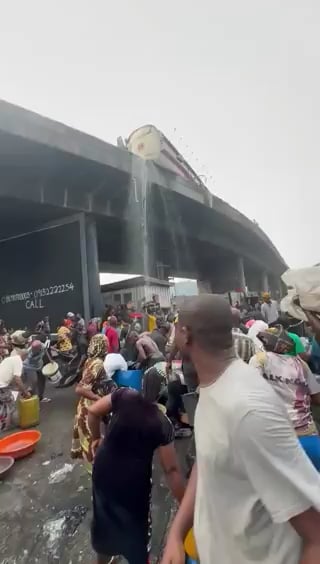
A FUEL ACCIDENT HANDLED POORLY
Meta Title: The High Cost of Mismanagement: Lessons from Fuel Accidents Handled Poorly
Meta Description: Discover the devastating consequences of poorly managed fuel accidents, real-world examples of mishandled crises, and actionable steps to prevent disasters.
A Fuel Accident Handled Poorly: The Domino Effect of Mismanagement
Fuel accidents—whether involving oil spills, gas leaks, explosions, or chemical fires—carry catastrophic risks for people, ecosystems, and businesses. However, poor handling of such incidents often amplifies the damage, turning a contained emergency into a full-blown disaster. This article examines the costly chain reaction triggered by mismanaged fuel accidents, highlights real-world failures, and provides actionable solutions to prevent future tragedies.
Why Poor Crisis Management Magnifies Fuel Disasters
Fuel emergencies demand rapid, coordinated responses. Mishandling them can lead to:
- Escalated Environmental Harm
Delayed containment allows toxins to spread, poisoning soil, water, and air. - Human Health Crises
Evacuation failures or misinformation expose communities to lethal fumes. - Legal & Financial Repercussions
Lawsuits, regulatory fines, and loss of public trust cripple organizations. - Long-Term Reputation Damage
Public outrage and media scrutiny linger for decades.
Real-World Cases: When Fuel Accidents Were Made Worse
1. The Deepwater Horizon Oil Spill (2010)
The Mishandling:
- BP delayed acknowledging the scale of the explosion.
- Inaccurate estimates downplayed the leak (actual: 210 million gallons vs. initial claim of 42 million).
- Disorganized cleanup efforts worsened coastal damage.
Consequences:
- 11 deaths, 16,000 miles of coastline polluted.
- $65+ billion in fines and restitution.
- BP’s reputation remains tarnished years later.
2. Lac-Mégantic Rail Disaster (2013)
The Mishandling:
- Poorly secured crude oil tankers derailed, causing explosions.
- Emergency teams lacked training for large-scale fuel fires.
- No evacuation plan for the Quebec town.
Consequences:
- 47 fatalities, 30 buildings destroyed.
- Criminal charges against railroad executives.
- Permanent distrust in rail safety regulations.
3. Colonial Pipeline Cyberattack (2021)
The Mishandling:
- Delayed public communication fueled panic-buying.
- No contingency plan for ransomware-induced shutdowns.
Consequences:
- Gas shortages across the U.S. Southeast.
- $4.4 million ransom paid (later partially recovered).
6 Critical Mistakes in Fuel Accident Responses
- Delay in Initial Action
- Example: Waiting hours to shut off valves or activate alarms.
- Underestimating the Severity
- Ignoring early warnings or onsite worker reports.
- Poor Communication
- Conflicting messages to employees, regulators, or the public.
- Inadequate Training
- Workers unequipped to handle leaks or fires.
- Ignoring Safety Protocols
- Skipping inspections or bypassing shutdown procedures.
- Lack of Transparency
- Hiding data to avoid liability.
How to Prevent & Manage Fuel Emergencies Effectively
✅ Prevention Strategies
- Implement Robust Safety Protocols:
Regular equipment checks, automated leak detection systems, and strict compliance with OSHA/EPA standards. - Train Rigorously:
Simulate worst-case scenarios (spills, explosions) quarterly. - Plan for Cyber Threats:
Safeguard digital infrastructure controlling pipelines or storage.
✅ Effective Response Measures
- Act Immediately:
Isolate the hazard, evacuate zones, and notify authorities within minutes. - Communicate Clearly:
Designate a single truthful spokesperson to update stakeholders. - Collaborate with Experts:
Partner with environmental agencies, fire departments, and NGOs.
✅ Post-Crisis Management
- Investigate Thoroughly:
Identify root causes—don’t blame individuals. - Compensate Affected Parties Fairly:
Avoid protracted legal battles by offering timely restitution. - Adopt Corrective Actions:
Overhaul policies to prevent recurrence.
Conclusion: Turn Failure into Resilience
Fuel accidents are inevitable in high-risk industries, but how they’re handled defines their legacy. Companies that prioritize prevention, transparency, and accountability minimize harm—and earn public trust. Those that cut corners risk lives, ecosystems, and their own existence. Learn from past failures. Invest in safety today to avoid tomorrow’s headlines.
Keyword Focus: Fuel accident response, environmental disaster management, emergency preparedness, crisis communication, industrial safety protocols