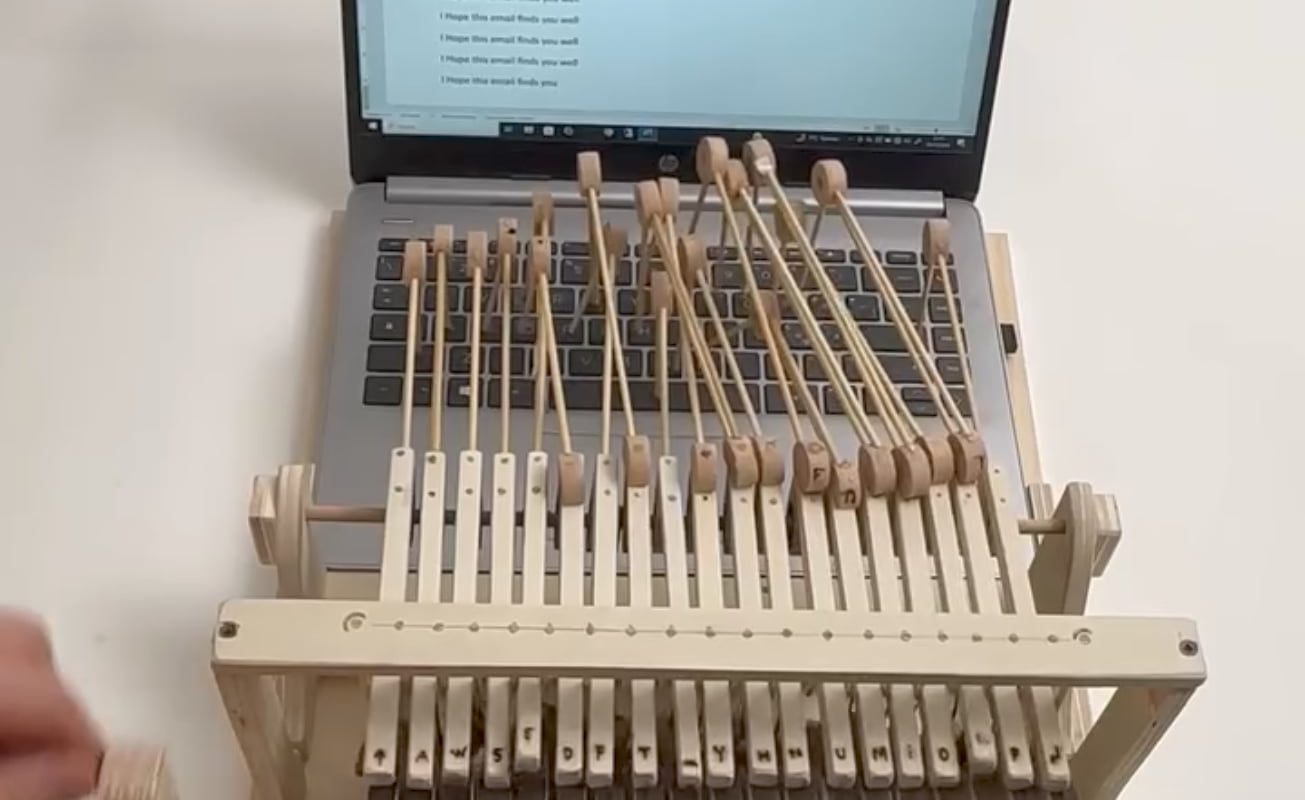
Handcrafted Formality machine- ‘I hope this email finds you well’.
Title: “I Hope This Email Finds You Well”: The Handcrafted Formality Machine Behind Email Etiquette
Meta Description: Discover the origins, alternatives, and best practices for using the ubiquitous email opener “I hope this email finds you well.” Learn how to craft business emails that feel authentic, professional, and effective.
The Power of “I Hope This Email Finds You Well”: A Digital Handshake
The phrase “I hope this email finds you well” has become the Swiss Army knife of email communication—a universal opener designed to signal professionalism, empathy, and courtesy. But is it a meaningful gesture, or an automated formality? In this article, we dissect the purpose, pitfalls, and alternatives to this classic email salutation, giving you the tools to craft more engaging business communications.
Why Do We Use This Phrase?
This opener has deep roots in traditional letter-writing etiquette, where well-wishes (“I hope this letter finds you in good health”) demonstrated consideration. In the digital age, it evolved into a standard email buffer—a way to soften the transition into requests or updates.
Key benefits:
- Politeness: Creates a respectful tone.
- Neutrality: Safe for unfamiliar recipients.
- Tradition: Mimics formal correspondence norms.
The Problem With Over-Reliance: When It Becomes a “Formality Machine”
Despite its popularity, the phrase has critics who argue it’s:
- Impersonal: Overuse makes it feel robotic rather than sincere.
- Redundant: Often ignored by busy readers.
- Clichéd: Lacks originality in crowded inboxes.
A 2022 Grammarly study found that emails starting with personalized lines had 15% higher response rates than generic openers, signaling the value of freshness.
Handcrafted Alternatives: Personalize Your Opening Line
Break the mold with tailored greetings that build rapport:
Context-Specific Openers
- After a meeting:
“Great connecting with you earlier—I’d love to follow up on…” - For a request:
“Thanks for your expertise on [topic]. Could you help with…” - To acknowledge milestones:
“Congrats on [achievement]! I’m reaching out to discuss…”
Warm yet Professional Options
- “I hope you’re having a productive week!”
- “Thank you for your time in advance.”
- “I appreciate your insights on…”
When to Use “I Hope This Email Finds You Well” (And When to Avoid It)
✔️ Appropriate scenarios:
- First-time outreach to a formal contact.
- Emails during crises (e.g., pandemics) requiring empathy.
- Industries like law, finance, or academia, where tradition matters.
❌ Skip it when:
- Writing to close colleagues or repeat contacts.
- The email is urgent/time-sensitive (cut to the chase).
- You can reference a shared connection or recent event.
Handcrafting Authenticity: 4 Tips to Elevate Your Emails
- Research the Recipient: Use LinkedIn or past emails to personalize.
- Reflect Their Tone: Match their communication style (e.g., formal vs. casual).
- Add Value Upfront: Start with a compliment or solution:
“Your article on X inspired this idea…” - Test and Optimize: Track open/response rates for different greetings.
FAQ: Email Openers Decoded
Q: Is ‘I hope this email finds you well’ outdated?
A: Not outdated, but overused. Reserve it for formal contexts and pair it with specificity: “I hope this email finds you well amid the project launch!”
Q: What’s better: ‘Hi’ or ‘Hope you’re well’?
A: “Hi [Name]” is concise and friendly. If adding warmth, use: “Hi [Name], Hope your week is off to a great start!”
Key Takeaway: Balance Formality With Humanity
“I hope this email finds you well” isn’t wrong—it’s just one tool in your communication toolbox. For emails that stand out, handcraft your greetings with sincerity. Tailor your opening line to the recipient, context, and goal, and you’ll build stronger connections without sacrificing professionalism.
Optimize your next email: Ditch autopilot and write openers that spark engagement. Need inspiration? Download our free checklist: “5 Handcrafted Email Templates to Replace Clichés.”
Target Keywords: “I hope this email finds you well,” professional email greetings, email etiquette, business communication, email openers, formal email alternatives.
Internal Links:
- “How to Write Emails That Get Replies”
- “Cold Email Templates That Convert”
External Links:
By reimagining formal phrases like “I hope this email finds you well,” you transform perfunctory messages into thoughtful conversations—one line at a time.