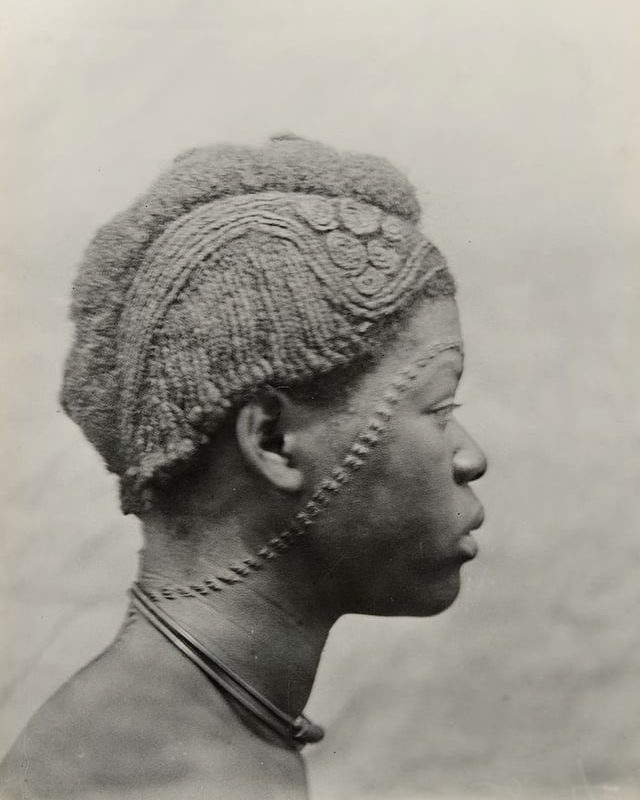
Men’s hairstyles in pre-colonial Africa
Meta Title: Men’s Hairstyles in Pre-Colonial Africa: Symbolism, Diversity & Cultural Legacy
Meta Description: Explore the rich history of men’s hairstyles in pre-colonial Africa. Discover how hair symbolized status, spirituality, and identity across the continent.
Men’s Hairstyles in Pre-Colonial Africa: Cultural Identity Woven into Hair
Before European colonization reshaped African societies, hair was far more than a fashion statement—it was a powerful marker of identity, spirituality, and social rank. In pre-colonial Africa, men’s hairstyles served as living archives of cultural heritage, reflecting everything from age and marital status to warrior prowess and ancestral connections. From intricate braids to shaved patterns, these styles celebrated Africa’s diversity while unifying communities through shared symbolism.
Regional Diversity: A Continent of Styles
Africa’s vast geography gave rise to distinct hairstyling traditions, each adapting to local materials, climates, and cultural values.
West Africa: Precision & Power
- Yoruba (Nigeria): Young men shaved their heads partially, leaving patterns called kolese, while elders wore fuller styles. The shuku (topknot) denoted nobility.
- Mande Groups (Mali, Guinea): Warriors sported the kongo, tight braids pulled back for battle readiness. Hunters used hairstyles infused with protective herbs.
- Fulani: Elaborate Afizé braids, often adorned with amber beads or silver coins, signaled family lineage and social standing.
East Africa: Spiritual Significance
- Maasai (Kenya/Tanzania): Warriors (Morans) dyed hair red with ochre and fat, shaping it into intricate, layered braids symbolizing courage and transition into manhood.
- Amhara (Ethiopia): Men wore short, curly styles, while rulers and priests grew longer hair as a sign of wisdom and divine connection.
Central & Southern Africa: Status & Rites of Passage
- Zulu (South Africa): Married men wore the isiqopha (head ring), while young warriors shaved their heads except for a small circle tied with sinew (umshokobezi).
- Himba (Namibia): Men braided their hair into a single ondatu plait draped forward over the face during rituals to honor ancestors.
The Language of Hair: Symbolism & Social Codes
Pre-colonial African hairstyles communicated complex messages without words:
-
Age & Milestones:
- Shaved heads in childhood gave way to more complex styles after initiation rites.
- In many cultures, elders grew longer or fuller hair to signify wisdom.
-
Social Status:
- Royals and chiefs wore unique styles (e.g., beads, gold threads) forbidden to commoners.
- The Igbo ichi scarification was often paired with specific hairstyles to denote leadership.
-
Spiritual Armor:
- Hair was considered a conduit to the divine. The Dogon of Mali embedded charms into braids for spiritual protection.
- Shaved patterns in cultures like the Nuba of Sudan invoked blessings or warded off evil.
-
Occupation & Role:
- Hunters, blacksmiths, and healers wore styles distinct from farmers or traders.
- Warriors used hairstyles to intimidate enemies—e.g., Zulu amabutho regiments each had unique cuts.
Materials & Techniques: Nature’s Toolkit
Pre-colonial barbers used locally sourced tools and ingredients:
- Combs: Carved from wood, bone, or ivory, often with symbolic motifs.
- Adornments: Beads, cowrie shells, feathers, and even copper wires added meaning.
- Natural Products: Shea butter, palm oil, and clay mixtures held styles while nourishing hair.
Why These Hairstyles Matter Today
Colonialism suppressed many African hairstyles, labeling them “uncivilized.” Today, reviving these traditions—from the Fulani braids to the Maasai warrior cuts—is an act of cultural reclamation. Modern movements like the natural hair renaissance draw direct inspiration from this heritage, proving that these ancient styles hold timeless power.
By honoring pre-colonial African hairstyles, we celebrate a legacy where hair was more than aesthetics—it was a story etched in strands, a testament to resilience, artistry, and identity.
Keywords for SEO:
pre-colonial African hairstyles, traditional African men’s hair, African hair symbolism, African warrior hairstyles, Fulani braids, Zulu hairstyles, Maasai warrior hair, African cultural heritage, African tribal hairstyles, history of black hair.
Call to Action:
Share this article to spread awareness of Africa’s rich hair traditions! Did we miss a pre-colonial style? Comment below with your cultural insights.