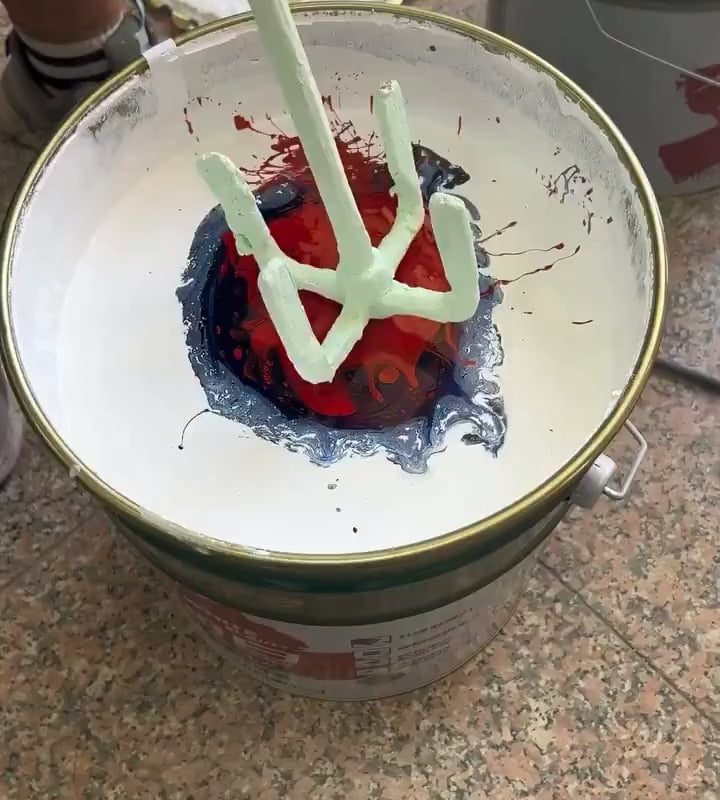
The process of mixing paint
The Art and Science of Mixing Paint: A Complete Guide
For flawless results in DIY projects, professional renovations, or artistic endeavors, understanding the process of mixing paint is essential. Whether you’re combining custom colors, revitalizing old paint, or achieving an ultra-smooth consistency, proper mixing prevents streaks, uneven finishes, and wasted materials. In this guide, we’ll break down the why, how, and best practices for mastering paint mixing.
Why Proper Paint Mixing Matters
Paint ingredients—pigments, binders, solvents, and additives—separate over time, settling into layers. Failing to mix thoroughly leads to:
- Streaky or uneven coverage
- Color inconsistencies (especially noticeable with custom hues)
- Poor adhesion and premature peeling
- Wasted time and money fixing mistakes
Whether using latex, oil-based, or acrylic paint, a homogeneous mixture ensures optimal performance and a professional finish.
Types of Paint Mixing: Manual vs. Machine
1. Manual Mixing (Ideal for Small Projects)
Tools Needed: Stir stick, clean container (for custom colors).
Process:
- Open the can and inspect for separation (thick paste at bottom, watery layer on top).
- Insert a stir stick and scrape the sides and bottom aggressively to lift settled pigments.
- Stir in a “figure-8” or circular motion for 3–5 minutes until uniform in texture and color.
- Test consistency by lifting the stick—paint should drip smoothly without clumps.
Tip: For custom colors, mix small batches in a separate container using a ratio chart. Add tint gradually and record proportions for future touch-ups.
2. Mechanical Mixing (Best for Large Quantities)
Tools Needed: Paint mixer attachment (drill), shaker machine (professional settings).
Process:
- Secure the lid tightly to prevent spills.
- Attach a paddle mixer to a drill and insert it into the paint at a 45° angle.
- Mix at low-to-medium speed for 1–2 minutes, moving the paddle across the can’s base.
- Check for homogeneity by brushing a test patch on paper or cardboard.
Pro Tip: Machine mixing is faster and more thorough, ideal for thick paints like enamels or when reviving months-old cans.
Step-by-Step Guide to Mixing Paint Like a Pro
-
Prepare Your Workspace
- Cover floors and surfaces with drop cloths.
- Wear gloves and eye protection (especially with solvent-based paints).
-
Inspect and Pre-Mix
- Remove the lid and skim off any skin or debris.
- Gently stir the top layer to loosen settled solids.
-
Mix Thoroughly
- Blend in stages, scraping the can’s sides and base repeatedly.
- For custom colors, use a palette knife or stir stick to blend tints evenly.
-
Test and Adjust
- Apply a small amount to a hidden area. If streaks appear, remix.
- Thin over-thickened paint with manufacturer-approved solvents (e.g., water for latex, mineral spirits for oil-based).
-
Store Properly
- Seal the lid tightly with a rubber mallet to limit air exposure.
- Label mixed custom colors with the ratio/recipe and date.
Common Paint Mixing Mistakes to Avoid
- Skipping the Bottom Scrape: Neglecting hardened pigment leads to weak color payoff.
- Over-Thinning: Adding too much solvent affects adhesion and coverage.
- Mixing Incompatible Paints: Combining latex with oil-based paints causes curing failures.
- Rushing the Process: Inadequate mixing guarantees visible flaws after drying.
Advanced Techniques for Custom Colors & Effects
- Creating Gradient Blends: Layer slightly varied shades in a tray for an ombre effect.
- Marbleizing or Textured Finishes: Swirl multiple unmixed colors with a rag or comb.
- Reviving Dried Paint: Add a small amount of solvent and use a power mixer—but discard if fully hardened.
FAQs: Answering Key Questions
Q: Can I mix different paint brands or sheens?
A: Avoid mixing brands due to varying formulas. Mixing sheens (e.g., matte + semi-gloss) dulls the finish.
Q: How long should I mix paint for?
A: Manual: 3–5 minutes; machine: 1–2 minutes. Stop when color and texture are fully uniform.
Q: Can I reuse separated paint?
A: Yes—mix thoroughly and strain clumps through cheesecloth if needed.
Final Takeaways
Mastering the process of mixing paint saves time, money, and frustration. By following these steps—whether stirring by hand or using mechanical tools—you’ll achieve vibrant, durable, and streak-free results every time. Remember: patience and precision elevate your project from amateur to professional quality.
Happy Painting! 🎨