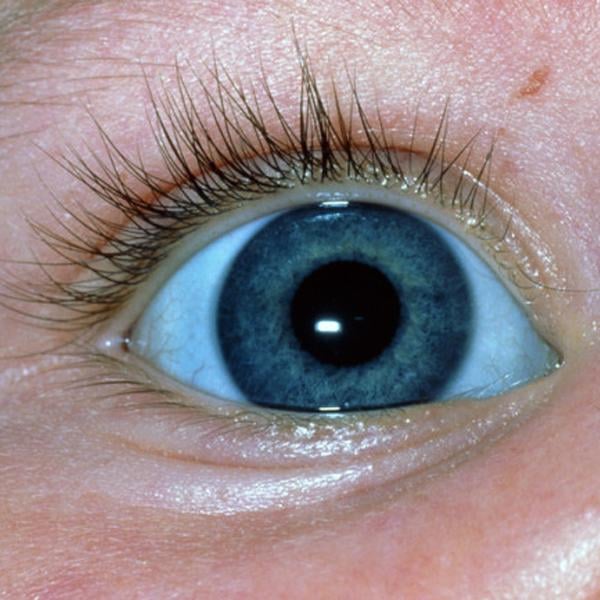
Blue sclera seen in iron deficiency anemia
Blue Sclera in Iron Deficiency Anemia: Causes, Symptoms, and Treatment
Introduction
Blue sclera, a rare but striking condition where the whites of the eyes (sclera) take on a bluish tint, is often linked to underlying health issues. While it’s commonly associated with genetic disorders like osteogenesis imperfecta (brittle bone disease), blue sclera can also signal systemic nutritional deficiencies—notably iron deficiency anemia (IDA). This article explores the connection between blue sclera and IDA, explaining its causes, significance, and how to address it.
What Is Blue Sclera?
The sclera, the tough outer layer of the eye, is typically white due to its dense collagen structure. A blue appearance arises when the sclera thins, allowing the underlying choroid (a layer of blood vessels) to show through. This thinning can occur due to:
- Abnormal collagen production.
- Reduced iron availability for tissue repair.
- Structural changes in connective tissues.
In iron deficiency anemia, blue sclera is an uncommon but clinically relevant sign, often overlooked amid more typical IDA symptoms like fatigue or pallor.
Iron Deficiency Anemia and Its Role in Blue Sclera
Iron deficiency anemia develops when the body lacks sufficient iron to produce hemoglobin, the protein in red blood cells that transports oxygen. Chronic IDA affects multiple systems, including the eyes. Here’s how it contributes to blue sclera:
-
Collagen Synthesis Impairment:
Iron is essential for collagen formation, a key component of the sclera. Deficiency weakens collagen structure, leading to scleral thinning. -
Reduced Tissue Oxygenation:
Low hemoglobin levels starve tissues of oxygen, triggering vascular changes. The choroid’s blue veins become more visible through the translucent sclera. -
Secondary Nutritional Deficiencies:
IDA often coexists with deficiencies in vitamin C, copper, or zinc—all vital for collagen health—amplifying the risk of scleral discoloration.
Symptoms of Iron Deficiency Anemia Beyond Blue Sclera
While blue sclera is a visual clue, IDA presents with broader symptoms:
- Fatigue and weakness.
- Pale skin and mucous membranes.
- Shortness of breath.
- Brittle nails or hair loss.
- Unusual cravings (pica), such as for ice or dirt.
If blue sclera appears alongside these signs, consult a healthcare provider promptly.
Diagnosis of Blue Sclera in IDA
-
Physical Examination:
A doctor will inspect the eyes and evaluate other IDA indicators (e.g., nail changes). -
Lab Tests:
- Complete Blood Count (CBC): Low hemoglobin and hematocrit confirm anemia.
- Iron Studies: Serum ferritin (iron stores), iron, and total iron-binding capacity (TIBC) pinpoint IDA.
-
Ophthalmologic Evaluation:
Rule out other causes of blue sclera, such as genetic disorders or medications.
Treatment: Correcting Iron Deficiency and Blue Sclera
Treating IDA typically reverses blue sclera. Key strategies include:
1. Iron Supplementation
- Oral Iron: Ferrous sulfate, gluconate, or fumarate (taken with vitamin C for absorption).
- Intravenous Iron: For severe cases or poor oral tolerance.
2. Dietary Changes
Increase iron-rich foods:
- Heme iron: Red meat, poultry, fish.
- Non-heme iron: Spinach, lentils, fortified cereals (pair with vitamin C sources like citrus).
3. Address Underlying Causes
- Heavy menstrual bleeding.
- Gastrointestinal issues (e.g., ulcers, celiac disease).
Complications of Untreated IDA
Prolonged iron deficiency can lead to:
- Heart problems (arrhythmias, heart failure).
- Developmental delays in children.
- Increased susceptibility to infections.
FAQs About Blue Sclera and Iron Deficiency Anemia
-
Can blue sclera appear in other conditions?
Yes—osteogenesis imperfecta, Ehlers-Danlos syndrome, or certain medications (e.g., minocycline). -
Is blue sclera reversible with iron treatment?
Often yes, as iron restoration supports collagen repair. -
Is blue sclera dangerous?
It’s a symptom, not a disease, but warrants investigation to uncover systemic issues like IDA. -
Can children develop blue sclera from IDA?
Yes, especially in cases of severe nutritional deficiency.
Conclusion
Blue sclera is an unusual but important red flag for iron deficiency anemia. While rare, its presence should prompt a thorough evaluation of iron levels and overall health. Early diagnosis and treatment of IDA not only resolve the discoloration but also prevent serious complications. If you notice a bluish tint in your eyes—or experience fatigue, dizziness, or pale skin—seek medical attention to rule out nutritional deficiencies and safeguard your well-being.
Keywords: Blue sclera, iron deficiency anemia, scleral discoloration, anemia symptoms, collagen synthesis, iron supplements, low ferritin.
This article blends scientific accuracy with SEO-friendly terms to inform readers while improving search engine visibility. Always consult a healthcare professional for personalized medical advice.