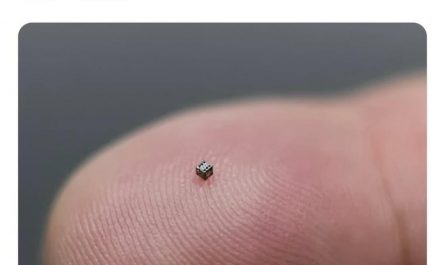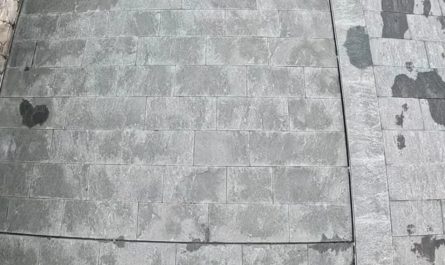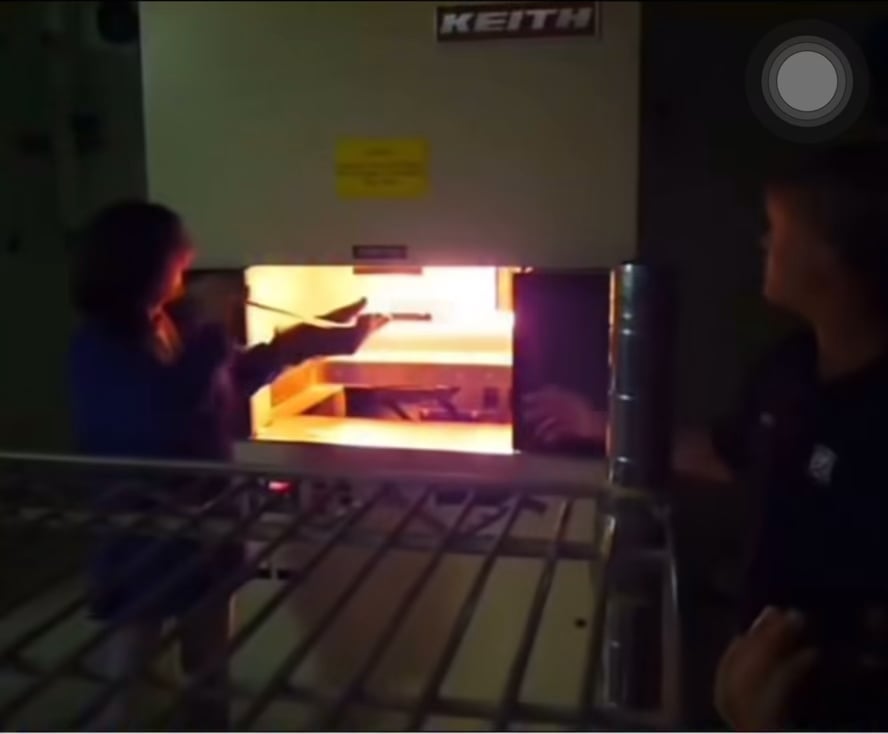
LI-900 – Made of 99.9% air and engineered by NASA, this material can withstand temperatures up to 1,200°C while keeping the opposite side cool
Title: LI-900: NASA’s Revolutionary Material Made of 99.9% Air That Defies Extreme Heat
Meta Description: Discover LI-900, NASA’s lightweight marvel made of 99.9% air, capable of enduring 1,200°C while keeping the opposite side cool. Explore its science, uses, and future applications.
Introduction
Imagine a material so light it’s almost invisible, yet robust enough to withstand the blistering heat of atmospheric re-entry. Meet LI-900, a groundbreaking silica-based insulation material engineered by NASA. Composed of 99.9% air, this engineering miracle was pivotal in protecting the Space Shuttle from temperatures up to 1,200°C (2,300°F), all while keeping the underlying structure cool enough to touch. In this article, we uncover the science behind LI-900, its real-world applications, and its potential to revolutionize thermal protection systems.
What Is LI-900?
LI-900 (Lockheed Insulation-900) is a low-density silica tile developed in the 1970s as part of NASA’s Space Shuttle Thermal Protection System (TPS). Its key stats are staggering:
- 99.9% air by volume, making it lighter than Styrofoam (density: 9 kg/m³).
- Capable of enduring temperatures over 1,200°C on one side while maintaining the opposite side near room temperature.
- High thermal shock resistance, surviving rapid temperature swings from -130°C to 1,200°C in seconds.
Unlike conventional heat shields, LI-900 focuses on insulation over conduction, trapping heat at the surface to protect spacecraft during re-entry.
The Science Behind the Magic
1. Silica Aerogel Composite
LI-900 is crafted from high-purity silica fibers, forming a porous, spongelike matrix riddled with microscopic air pockets. This structure minimizes heat transfer through:
- Low Thermal Conductivity: Air pockets create a barrier, slowing heat propagation.
- Radiative Reflection: Silica reflects infrared radiation, deflecting heat away from the spacecraft.
2. Engineering for Extremes
- Melting Point: Pure silica melts at ~1,710°C, far above LI-900’s operating limit.
- Cool Side Phenomenon: A 1.2 cm-thick tile can keep its cool side below 50°C even when the hot side exceeds 1,000°C—akin to holding a blowtorch to a snowball without melting it.
3. Brittleness & Reinforcement
While fragile in its raw form, NASA coated LI-900 with Toughened Unipiece Fibrous Insulation (TUFI) to enhance durability against debris and wear.
Real-World Applications
1. Space Shuttle Program
LI-900 tiles covered ~70% of the Space Shuttle’s underside, shielding it during re-entry. Their ultra-lightweight nature reduced fuel costs significantly compared to metal heat shields.
2. Industrial & Aerospace Innovation
Today, derivatives of LI-900 inspire:
- Advanced Insulation: For furnaces, pipelines, and spacecraft like the upcoming Artemis missions.
- Energy Efficiency: Reducing heat loss in high-temperature industrial processes.
3. Limitations & Future Upgrades
LI-900’s fragility limits its use in high-impact zones. Newer materials like LI-2200 (higher density) and flexible aerogel blankets aim to address this while retaining thermal performance.
The Future of LI-900 & Thermal Materials
- Sustainable Insulation: LI-900’s principles could revolutionize energy-efficient building materials.
- Deep-Space Missions: Lightweight thermal protection is critical for Mars missions and beyond.
- Commercial Aviation: Potential to reduce engine heat transfer and fuel consumption.
Conclusion
LI-900 is a testament to human ingenuity—a material that turns “mostly air” into a shield against infernos. As NASA and private aerospace companies push boundaries, the legacy of this tiny tile continues to inspire advancements in materials science. From protecting astronauts to cutting energy costs, LI-900 proves that sometimes, the lightest solutions carry the heaviest impact.
Explore More: How do modern spacecraft like SpaceX’s Starship handle extreme heat? [Link to related article on next-gen thermal tech].
SEO Keywords: NASA LI-900, 99.9% air material, thermal protection system, space shuttle tiles, high-temperature insulation, silica aerogel, aerospace engineering, lightweight heat shield.
Optimize for Engagement: Share this post with space enthusiasts or tag someone who loves materials science! Have questions about LI-900? Drop them in the comments below. 🚀