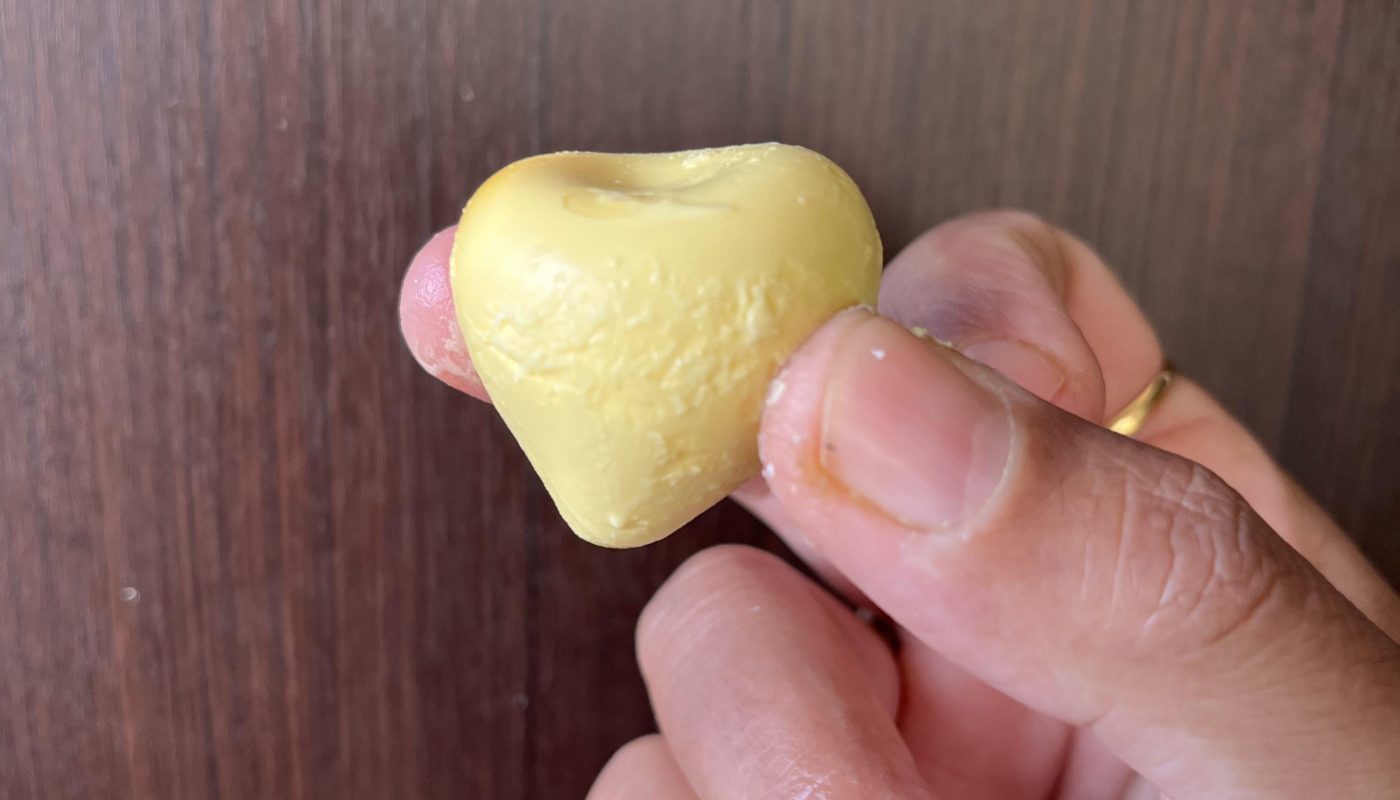
Egg shell cracked while boiling. I was presented with this after.
Title: Why Do Eggs Crack While Boiling? (And How to Save Your Meal)
Egg shells cracking during boiling is a common frustration in kitchens everywhere. You’re preparing a perfect batch of hard-boiled eggs, only to find fissures spider-webbing across their shells—or worse, a full-blown leak of egg white swirling into your pot. But why does this happen, and what should you do after your egg cracks mid-boil? In this guide, we’ll break down the science behind cracked eggs, share foolproof prevention tips, and explain how to salvage your meal.
Why Do Eggs Crack While Boiling?
Several factors contribute to fragile shells surrendering to hot water:
-
Thermal Shock
The #1 culprit! Placing cold eggs directly into boiling water causes rapid expansion of the inner albumen (egg white), exerting pressure on the shell. Thin or imperfect shells can’t always handle this stress. -
Freshness Matters
Extremely fresh eggs have smaller air pockets at their rounded ends. As eggs age, this air cell expands, acting like a “buffer” that reduces pressure buildup during cooking. Fresh eggs crack more easily! -
Overcrowding or Rough Handling
Dropping eggs into the pot or cramming too many into a small space can cause cracks from impact or friction against the pot’s sides. -
High Heat & Rapid Boiling
Vigorous boiling jostles eggs, increasing collision damage. Excessively high heat also exacerbates internal pressure.
How to Prevent Eggs from Cracking While Boiling
Follow these pro tips to keep shells intact:
✅ Start with Room-Temperature Eggs
Let eggs sit on the counter for 15–20 minutes before cooking to minimize thermal shock.
✅ Use Gentle Heating Methods
- Cold-Start Method: Place eggs in a pot, cover with cold water, then bring to a gentle simmer.
- Steamer Basket: Steam eggs above boiling water for even, gradual heating.
✅ Add Vinegar or Salt to Water
- 1 tbsp vinegar helps coagulate leaking egg white instantly if a crack forms.
- 1 tsp salt slightly raises water’s boiling point, moderating temperature shifts.
✅ Poke a Hole (Optional)
Use a clean pin to prick the air cell end before boiling to release pressure.
✅ Avoid Overcrowding
Leave space between eggs in the pot to prevent collisions.
What to Do if an Egg Cracks While Boiling
Act quickly to save your egg and prevent a messy pot!
-
Reduce the Heat
Turn down the burner to a low simmer to slow leakage. -
Add More Vinegar/Salt
If whites start leaking, pour in an extra tablespoon of vinegar or salt to help seal the crack. -
Remove the Egg (If Necessary)
If cracks are severe, use a slotted spoon to remove the egg immediately. Transfer it to a bowl of cold water to stop cooking and assess damage.
Can You Eat a Cracked Boiled Egg?
Yes—with precautions!
- Minor cracks (no leakage): Safe to eat if cooked immediately and peeled carefully.
- Leaking egg white: Still edible if boiled long enough (at least 5–7 minutes), but consume right away.
- Food Safety Tip: Discard eggs that crack before cooking (raw egg exposure risks bacteria).
Salvaging Options:
- Use slightly deformed eggs in recipes like egg salad, fried rice, or casseroles.
- Avoid storing cracked boiled eggs—eat them within 1–2 days.
FAQs About Cracked Boiling Eggs
Q: Do older eggs crack less?
A: Yes! Eggs aged 7–10 days have larger air cells, making them less crack-prone than farm-fresh ones.
Q: Why do my eggs crack every time I boil them?
A: Likely due to extreme temperature differences or rough handling. Switch to the cold-start method!
Q: Can baking soda prevent cracks?
A: No—baking soda makes shells easier to peel but doesn’t prevent cracks. Stick to vinegar or salt.
Final Tip: Embrace Imperfection
Even with precautions, occasional cracks happen. Thankfully, they rarely ruin your meal! By understanding the causes and applying these fixes, you’ll minimize mishaps and keep your eggs (and patience) intact.
Meta Description: Learn why egg shells crack while boiling, how to prevent it, and what to do next. Tips include using vinegar, avoiding thermal shock, and salvaging cracked eggs safely.