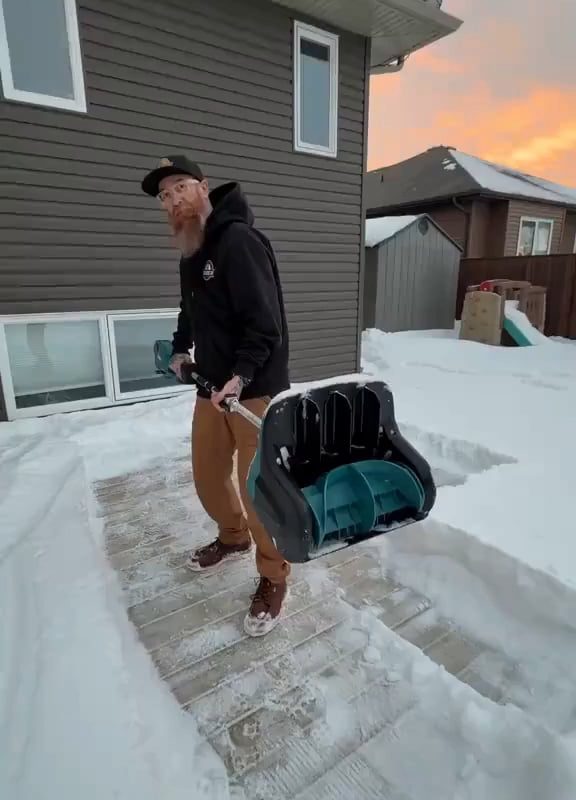
clearing a thick layer of snow on the ground
Title: The Ultimate Guide to Clearing a Thick Layer of Snow Safely and Efficiently
Winter’s beauty often comes with a hefty chore: clearing thick, heavy snow from driveways, sidewalks, and pathways. A deep snowfall can quickly turn into a backbreaking hazard if not addressed properly. In this comprehensive guide, we’ll cover the best tools, strategies, and safety tips to tackle even the deepest snow layers like a pro.
1. Why Clearing Thick Snow Matters
Left unchecked, thick snow:
- Creates safety hazards (slipping, falling, or blocked emergency exits).
- Damages surfaces (frost heave on driveways or cracked walkways).
- Blocks access for vehicles, deliveries, or emergency services.
Act quickly—fresh snow is easier to shovel than compacted, icy layers!
2. Essential Tools for Heavy Snow Removal
Choosing the right equipment saves time and effort:
- Ergonomic Snow Shovel: Opt for a curved handle and lightweight metal/plastic blade to reduce strain.
- Snow Blower: Ideal for depths over 6 inches. Choose a two-stage model for wet, compacted snow.
- Roof Rake: Safely clear thick snow buildup from eaves to prevent ice dams.
- Ice Melt/Sand: Apply post-shoveling to prevent slippery refreeze.
Pro Tip: Spray shovel blades with cooking oil to prevent snow from sticking!
3. Step-by-Step: Clearing Deep Snow Like a Pro
A. Dress for Success
- Layer clothing (moisture-wicking base, insulating mid-layer, waterproof outer shell).
- Wear insulated gloves, waterproof boots, and goggles if windy.
B. Prep Your Area
- Mark boundaries with flags or reflectors to avoid damaging lawns/decor.
- Start early: Shovel in intervals during heavy snowfall to avoid overload.
C. Shoveling Techniques
- Push, Don’t Lift: Slide the shovel forward to push snow aside.
- Layer Method: Remove snow in 2–3 inch layers rather than digging full depth at once.
- Work Smart: Clear a narrow path first, then widen it. Prioritize high-traffic areas.
D. Using a Snow Blower
- Overlap passes slightly for even clearing.
- Adjust speed: Slow down for wet, heavy snow to avoid clogging.
- Clear discharge chute frequently with a stick (never hands!).
4. Safety First: Avoid Injury and Fatigue
Shoveling snow sends 11,500+ people to the ER yearly. Stay safe with these tips:
- Warm up first: Stretch legs, arms, and back.
- Lift properly: Bend knees, keep back straight, and avoid twisting.
- Pace yourself: Take 5-minute breaks every 15 minutes.
- Stay hydrated: Cold air dehydrates you quickly!
- Know warning signs: Stop if you feel chest pain, dizziness, or shortness of breath.
Who Should Avoid Shoveling: Those with heart conditions, seniors, or anyone recovering from injury. Hire help instead!
5. Snow Disposal & Ice Prevention
- Pile snow downhill to avoid drifting back onto cleared areas.
- Keep away from foundations to prevent melting water seepage.
- Apply eco-friendly ice melt (e.g., calcium chloride) sparingly to minimize environmental damage.
- Use sand or kitty litter for instant traction without chemical runoff.
6. When to Call the Pros
Consider hiring professionals if:
- Snow is over 12 inches deep or hardened into ice.
- You have a long driveway or commercial property.
- Roof snow exceeds 2–3 feet (risk of collapse).
Conclusion
Clearing thick snow demands preparation, the right tools, and mindful technique—but with this guide, you’ll conquer even the heaviest winter blanket efficiently and safely. Remember: Prioritize your health, work in stages, and don’t hesitate to seek help for massive jobs. Happy shoveling! ❄️🛠️
SEO Keywords: clearing thick snow, deep snow removal, snow shoveling tips, heavy snow tools, safe snow removal, snow blower guide, winter safety, how to shovel snow, prevent ice buildup.
Meta Description: Learn how to clear thick, heavy snow fast! Our step-by-step guide covers tools, techniques, and safety tips to shovel or snow-blow deep snow safely.