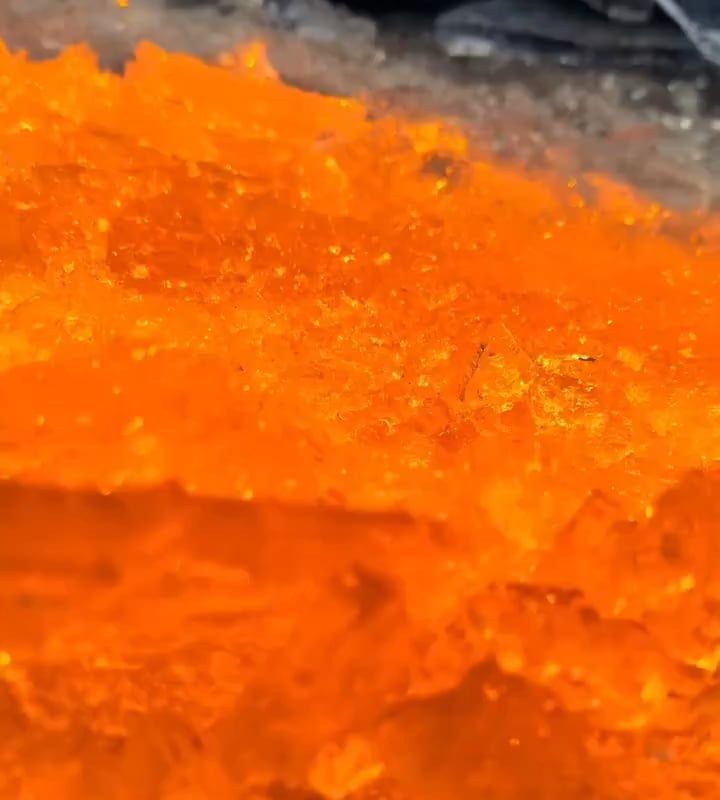
Ice pushed ashore at Pangong Lake, Ladakh
Meta Title: Witness the Phenomenon: Ice Pushed Ashore at Pangong Lake, Ladakh
Meta Description: Discover why Pangong Lake in Ladakh experiences surreal ice formations pushed ashore during winter. Explore the science, beauty, and travel insights here.
The Spectacle of Ice Pushed Ashore at Pangong Lake, Ladakh
Nestled at a staggering altitude of 4,350 meters in the Himalayan wilderness, Pangong Tso (Lake) is already famed for its ethereal blue waters and dramatic mountain backdrop. But come winter, this transboundary lake—straddling India and China—transforms into a frozen wonderland, where nature stages a breathtaking phenomenon: sheets of ice forcibly pushed ashore, creating jagged, otherworldly landscapes.
What Causes Ice to Pile Up on Pangong Lake’s Shores?
Extreme Temperatures & Freezing Dynamics
Pangong Lake’s high-altitude location in Ladakh subjects it to harsh winters, with temperatures plunging below -20°C. While the lake’s saline water doesn’t freeze entirely, shallow bays and shorelines solidify into thick ice sheets.
Wind and Water Movement
Strong Himalayan winds, coupled with subtle tectonic shifts in this seismically active region, create underwater currents. As temperatures fluctuate, expanding ice sheets collide. The wind-driven momentum then thrusts these massive ice slabs onto the lake’s banks, stacking them like shattered glass.
The Impact on Pangong’s Ecosystem and Tourism
Ecological Significance
- Wildlife Adaptations: The icy reshuffle affects migratory birds like bar-headed geese, which avoid the lake in peak winter. Native species, however, adapt to the frozen environment.
- Geological Study: Scientists monitor these formations to understand climate change impacts on high-altitude lakes. Reduced snowfall and temperature spikes are altering ice patterns over time.
A Tourist Magnet
Winter tourism at Pangong Lake has surged, with adventurers braving the cold to witness:
- Surreal Ice Sculptures: Translucent blue ice shards glinting under the winter sun.
- Photography Hotspot: The stark contrast between frozen chaos and serene mountains draws photographers globally.
- Unique Experience: Few get to see Pangong’s “ice tsunamis”—a rare spectacle absent in summer months.
Traveler’s Guide: Visiting Pangong Lake in Winter
Best Time to Visit
December to February offers the highest chance to see ice formations, though road access can be challenging. Monitor weather and local advisories.
How to Get There
- Route: Leh (3,500m) to Pangong Lake (160 km) via Chang La Pass (5,360m). Requires a 4WD vehicle due to icy roads.
- Permits: Indian nationals need an Inner Line Permit; foreigners require Protected Area Permits.
Safety Tips
- Altitude Precautions: Acclimatize in Leh for 2–3 days to avoid acute mountain sickness (AMS).
- Essentials: Carry heavy winter gear, oxygen cans, and emergency supplies. Mobile connectivity is limited.
- Stay Informed: Roads may close abruptly due to snowfall. Travel with experienced local guides.
The Bigger Picture: Climate Change & Pangong’s Future
Researchers note that warmer winters are causing thinner ice and irregular formation patterns. As temperatures rise, the frequency and intensity of ice-piling events may decline—making this natural marvel even more precious.
Conclusion
The sight of ice pushed ashore at Pangong Lake is a humbling reminder of nature’s raw power. As climate shifts reshape Ladakh’s winters, witnessing this phenomenon becomes both a privilege and a call to action. Whether you’re a thrill-seeker, photographer, or eco-conscious traveler, Pangong’s frozen frontier promises an unforgettable encounter with the extremes of our planet.
Keywords for SEO: Ice pushed ashore Pangong Lake, Pangong Lake frozen, Ladakh winter tourism, Pangong Tso ice formations, high-altitude lake phenomena, Pangong Lake travel guide, climate change impact Ladakh, Himalayan lakes winter.