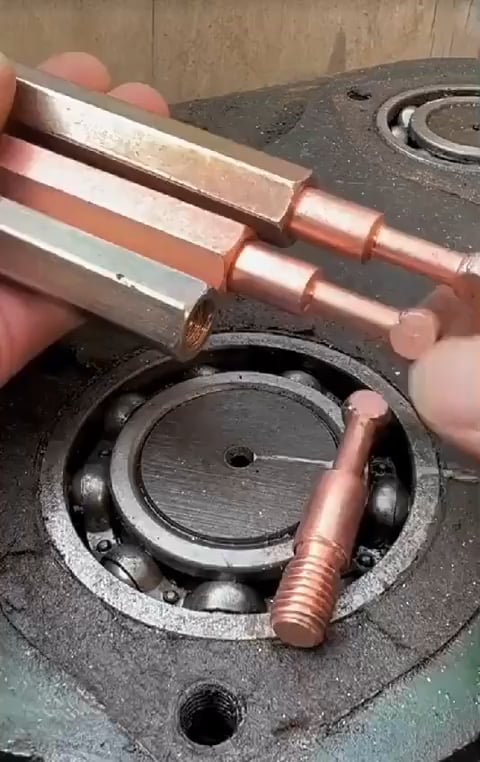
Ball bearing puller at work
Title: Ball Bearing Puller at Work: The Essential Tool for Efficient Mechanical Repairs
Meta Description: Discover how a ball bearing puller works, its types, applications, and step-by-step instructions for safe and effective bearing removal. Perfect for mechanics and DIYers!
Introduction
Ball bearings are critical components in machinery, automotive systems, and industrial equipment. However, when bearings fail or need replacement, removing them without causing damage can be a challenge. This is where a ball bearing puller shines. In this guide, we’ll explore how a bearing puller operates, its key benefits, and how to use it like a pro to save time, money, and frustration.
What is a Ball Bearing Puller?
A ball bearing puller is a specialized mechanical tool designed to safely extract bearings, gears, pulleys, or bushings from shafts or housings without damaging the surrounding components. Unlike brute-force methods (e.g., hammers or chisels), pullers distribute force evenly, ensuring precise, non-destructive removal.
Key Components of a Bearing Puller:
- Arms/Claws: Grip the bearing securely.
- Central Forcing Screw: Applies pressure to push/pull the bearing.
- Crossbar or Bridge: Stabilizes the tool during operation.
Why Use a Bearing Puller?
- Precision Removal: Avoids damage to shafts, housings, or the bearing itself.
- Time-Efficiency: Reduces hours of manual labor to minutes.
- Safety: Minimizes the risk of injuries from flying debris or imprecise tools.
- Cost Savings: Extends the lifespan of machinery by preventing collateral damage.
Types of Ball Bearing Pullers
- Two-Arm or Three-Arm Pullers: Ideal for gripping bearings from the outer race.
- Best for: Small to medium bearings in automotive or machinery repair.
- Hydraulic Pullers: Use hydraulic pressure for high-force applications.
- Best for: Industrial settings with large or seized bearings.
- Blind Hole Pullers: Extract bearings from recessed or hard-to-reach areas.
- Internal Pullers: Grab bearings from the inside diameter.
How Does a Ball Bearing Puller Work? Step-by-Step Guide
Tools Needed:
- Ball bearing puller (correct size/type for the job)
- Safety gloves and goggles
- Lubricant (e.g., penetrating oil for seized bearings)
- Wrench or impact driver
Steps:
-
Prepare the Work Area:
- Disconnect machinery from power sources.
- Clean the bearing and shaft to remove debris.
-
Select the Right Puller:
- Ensure the puller’s arms reach behind the bearing securely.
-
Position the Puller:
- Attach the claws around the bearing’s outer/inner race.
- Tighten the central screw until tension is applied.
-
Apply Force Gradually:
- Turn the screw clockwise with a wrench, applying steady pressure.
- If the bearing resists, apply penetrating oil to loosen corrosion.
-
Remove the Bearing:
- Once loosened, the bearing will slide off the shaft. Catch it to avoid drops.
-
Inspect Components:
- Check the shaft and housing for wear or damage before installing a new bearing.
Common Applications of Bearing Pullers
- Automotive Repairs: Wheel hubs, transmissions, and alternators.
- Industrial Machinery: Conveyors, pumps, and electric motors.
- DIY Projects: Bicycle hubs, lawnmower pulleys, or power tools.
Safety Tips for Using a Bearing Puller
- Wear PPE: Gloves and goggles protect against flying metal fragments.
- Avoid Over-Tightening: Excessive force can break the puller or damage the bearing.
- Use Lubrication: Penetrating oil (e.g., WD-40) eases removal of rusted bearings.
- Check Tool Limits: Never exceed the puller’s maximum force rating.
Choosing the Right Bearing Puller
- Size Matters: Match the puller’s capacity to the bearing’s diameter and shaft size.
- Material Quality: Opt for heat-treated steel for durability and corrosion resistance.
- Versatility: Adjustable arms and interchangeable tips offer flexibility.
Conclusion
A ball bearing puller is an indispensable tool for mechanics, engineers, and DIY enthusiasts alike. By enabling precise, damage-free removal of bearings, it ensures machinery operates smoothly and efficiently while reducing costly downtime. Whether you’re tackling a rusty car hub or maintaining industrial equipment, investing in a high-quality bearing puller pays dividends in safety, speed, and performance.
Pro Tip: Pair your puller with anti-seize lubricant during reinstallation to simplify future maintenance!
Optimized Keywords:
- Ball bearing puller
- How to use a bearing puller
- Bearing removal tool
- Hydraulic bearing puller
- Bearing extraction tool
- Mechanical puller tool
By mastering the use of a ball bearing puller, you’ll transform a daunting repair task into a quick, confidence-boosting success. 🛠️