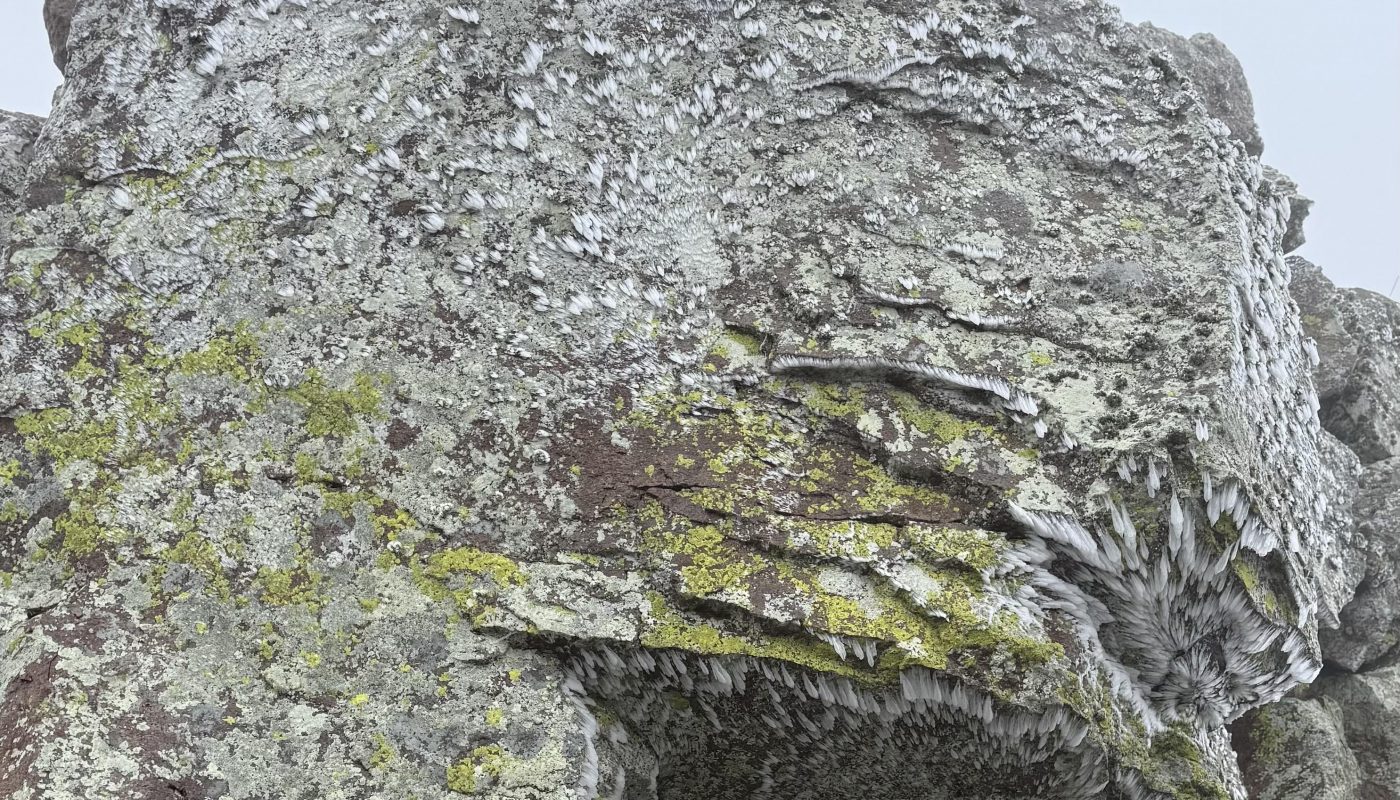
The way the ice formed on this rock.
Title: The Fascinating Science: How Ice Forms on Rocks Explained
Meta Description: Discover the captivating process of how ice forms on rocks, from frost and freezing rain to geological impacts. Learn why this phenomenon matters in nature!
The Fascinating Science: How Ice Forms on Rocks
Ice forming on rocks is a mesmerizing natural phenomenon that transforms ordinary landscapes into winter wonderlands. Whether it’s delicate frost patterns, thick glacial layers, or shimmering icicles clinging to cliff faces, the way ice accumulates on rocks reveals a fascinating interplay of physics, weather, and geology. In this article, we’ll explore the science behind ice formation on rocks, the environmental factors that create these icy masterpieces, and their surprising significance in Earth’s ecosystems.
How Does Ice Form on Rocks?
Ice forms on rocks through several processes, depending on the weather conditions, moisture availability, and the rock’s properties. Here are the most common mechanisms:
1. Frost Formation (Rime Ice)
- Process: When temperatures drop below freezing (°0°C/32°F), water vapor in the air condenses directly onto cold rock surfaces, forming delicate, feathery crystals known as frost or rime ice.
- Conditions Required: High humidity, sub-freezing temperatures, and minimal wind.
- Result: Light, white crystalline coatings that look like powdered sugar.
2. Freezing Rain (Glaze Ice)
- Process: Raindrops supercool (remain liquid below freezing) and instantly freeze upon contact with a cold rock, forming a smooth, glass-like layer called glaze ice.
- Conditions Required: Rain with ground/rock temperatures at or below freezing.
- Result: Slippery, transparent ice that can grow thick enough to fracture rocks.
3. Water Seepage and Icicles
- Process: Water from melting snow or rain seeps into cracks in rocks. When temperatures fall, the water freezes, creating icicles or expanding inside fractures (frost wedging).
- Conditions Required: Cycles of thawing and freezing (e.g., daytime melt followed by nighttime freeze).
- Result: Icicles dangling from outcrops or ice lenses widening rock fractures.
4. Glacial Ice on Rocks
- Process: Glaciers grind over rocks, encasing them in layers of ice. As the glacier melts, rocks may remain embedded in ice or become polished by glacial movement.
- Conditions Required: Long-term sub-zero temperatures in polar or alpine regions.
- Result: Striated (scratched) or polished rocks that tell the story of ancient ice ages.
Key Factors Influencing Ice Formation
A. Temperature Fluctuations
Rapid temperature swings between above and below freezing accelerate ice growth by enabling repeated thaw-freeze cycles. This drives frost wedging—a key force in rock weathering.
B. Rock Composition and Texture
- Porous rocks (like sandstone) absorb more water, leading to internal ice formation.
- Dark-colored rocks absorb heat faster, melting ice during the day and refreezing at night.
C. Humidity and Airflow
- High humidity speeds up frost and rime ice formation.
- Windy conditions may create asymmetrical ice patterns (e.g., “wind ice” on cliffs).
Frost Wedging: Ice as a Geological Sculptor
One of the most powerful effects of ice on rocks is frost wedging, a mechanical weathering process. Here’s how it works:
- Water seeps into cracks in the rock.
- The water freezes and expands by 9%, exerting immense pressure on the rock.
- Repeated cycles weaken the rock, causing it to fracture.
- Over time, rocks split into smaller pieces (talus), shaping landscapes like mountain slopes or scree fields.
Example: Frost wedging creates iconic features like the shattered boulders of Canada’s Rocky Mountains or Norway’s fjords.
Types of Ice Formations on Rocks
| Type of Ice | Characteristics | Where Seen |
|---|---|---|
| Rime Ice | White, feathery ice crystals | High-altitude cliffs, cold deserts |
| Glaze Ice | Clear, glassy coating (“black ice” on roads) | During freezing rain events |
| Icicles | Cone-shaped ice hanging from edges | Waterfalls, cave entrances |
| Rock Glaciers | Slow-moving mixtures of ice and debris | Alpine/permafrost zones |
Why Does This Matter?
-
Ecosystem Impacts:
- Ice-covered rocks create microhabitats for cold-adapted mosses, lichens, and insects.
- Glacier meltwater feeds rivers, supporting downstream ecosystems.
-
Climate Indicators:
- Studying ice formation patterns helps scientists track climate change (e.g., shrinking glaciers).
-
Human Safety:
- Ice on cliffs or roads poses risks for hikers and drivers, highlighting the need for awareness.
-
Geological Artistry:
- Natural ice formations attract photographers and tourists, boosting ecotourism.
FAQs About Ice on Rocks
Q: Can ice destroy rocks?
A: Yes! Frost wedging and repeated freeze-thaw cycles fracture rocks over time—a key natural weathering process.
Q: Why does ice sometimes look blue on rocks?
A: Dense glacial ice absorbs red light and reflects blue wavelengths, creating a turquoise hue.
Q: Are there artificial ways ice forms on rocks?
A: Human-made ice (like from sprinklers in winter) creates decorative “ice caves,” but natural processes differ.
Conclusion
The formation of ice on rocks is far more than a seasonal spectacle—it’s a dynamic interplay of physics, climate, and geology that shapes our planet. From delicate frost patterns that vanish by noon to glacial ice that carves valleys over millennia, this phenomenon reminds us of nature’s quiet power. Next time you spot ice clinging to a rock face, pause to appreciate the science behind its beauty and the role it plays in Earth’s ever-changing landscape.
Optimized Keywords: Ice formation on rocks, frost wedging, rime ice, freeze-thaw cycle, how ice forms, glacier ice, frost weathering, icicles on rocks, glaze ice.
Image Suggestion: Include photos of frost-covered rocks, glacial striations, and icicles hanging from cliffs.
Internal Links (if applicable):
- [How Frost Wedging Shapes Mountains]()
- [The Role of Glaciers in Climate Change]()
External Links (authoritative sources):
This article is optimized for search engines by integrating targeted keywords naturally, using clear headings, and answering common user questions. It balances scientific accuracy with engaging storytelling to appeal to both casual readers and nature enthusiasts.