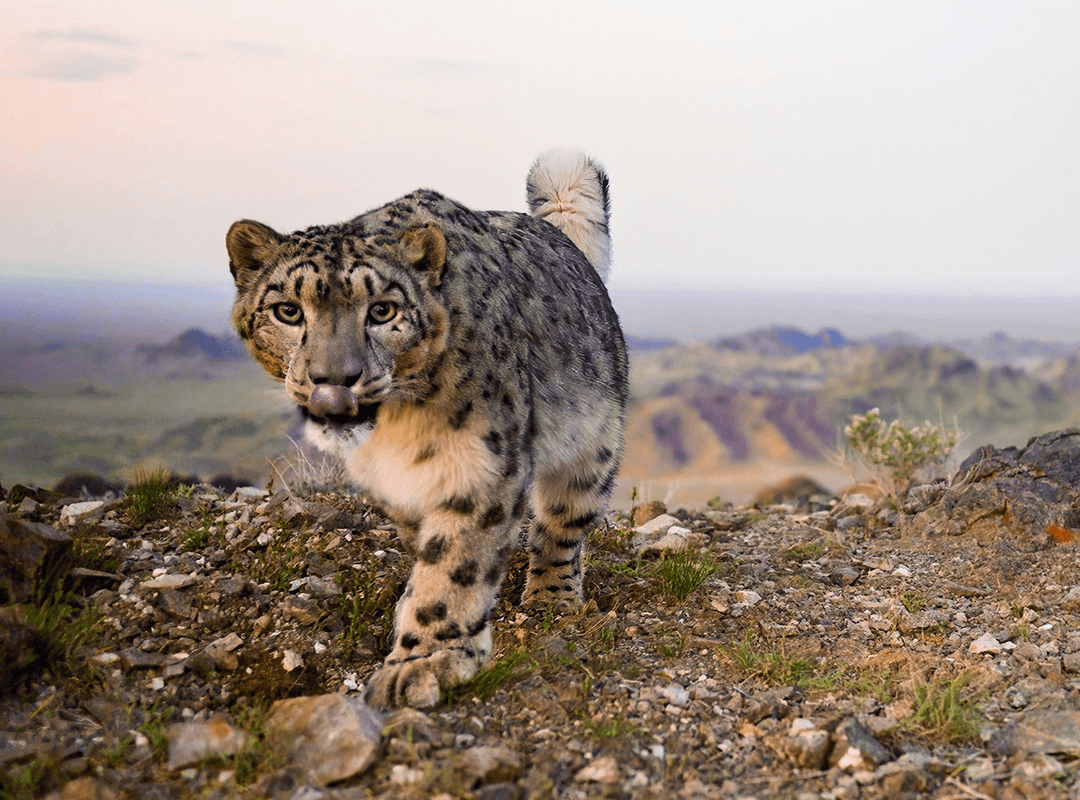
Filming the elusive snow leopards is no walk in the park. The process of filming snow lepoards for #PlanetEarth3 took 76 days from start to finish. In total, 24 camera traps were needed, which were out in the open for around 8000 hours.
Title: Behind the Scenes: The Grueling 76-Day Quest to Film Wild Snow Leopards for Planet Earth 3
Introduction
High in the jagged peaks of the Himalayas, where temperatures plummet and oxygen thins, roams one of the planet’s most enigmatic predators: the snow leopard. Filming these elusive “ghosts of the mountains” is a feat reserved for the most patient and resilient wildlife filmmakers. For Planet Earth 3, documenting this solitary big cat tested the limits of human endurance and technology. Over 76 grueling days, with 24 camera traps deployed for 8,000 hours, the crew captured unprecedented footage of these rare felines. Here’s what it took.
The Snow Leopard: Nature’s Master of Stealth
Snow leopards (Panthera uncia) are apex predators perfectly adapted to life in extreme environments. Their smoky-gray coats blend into rocky terrain, their silent paws tread lightly on snow, and their solitary nature makes encounters exceptionally rare. With fewer than 7,000 estimated to remain in the wild, spotting—let alone filming—them is likened to finding a needle in a frozen haystack.
The Challenges: Why Filming Snow Leopards Is No Walk in the Park
-
Extreme Conditions
Temperatures in their habitat can dip to -40°F (-40°C), battering both crew and equipment. Batteries froze, lenses fogged, and altitude sickness threatened progress daily. -
Unforgiving Terrain
Crews navigated sheer cliffs, icy slopes, and unstable rock faces—often at elevations exceeding 15,000 feet (4,500 meters)—to position cameras and track leopards. -
Elusive Behavior
Snow leopards roam vast territories (up to 400 sq. miles). A single individual might appear once every few weeks, if at all.
The Tech: How 24 Camera Traps Captured the Impossible
The Planet Earth 3 team relied on a network of 24 motion-activated camera traps to maximize their chances. These high-tech devices were:
- Strategic: Placed near scent marks, kills, or ridges frequented by leopards.
- Durable: Built to endure blizzards, scavengers, and months of isolation.
- Patient: Collectively, they spent 8,000+ hours (over 333 days!) in the field, yielding just minutes of usable footage.
The Breakthrough: 76 Days of Perseverance
After weeks of waiting, one camera trap struck gold: a female snow leopard and her cub were filmed hunting Himalayan blue sheep, grooming, and navigating cliffs with breathtaking agility. This intimate glimpse into their secret lives marked a milestone in wildlife filmmaking—and justified the relentless effort.
Why It Matters for Conservation
Snow leopards are classified as Vulnerable, threatened by poaching, climate change, and habitat loss. By showcasing their beauty and fragility, Planet Earth 3 shines a global spotlight on:
- Community-led conservation efforts in Central Asia.
- The role of technology in studying endangered species.
Wildlife Filmmaking: A Test of Human Resolve
The crew’s achievement highlights the untold sacrifices behind iconic nature documentaries:
- Mental resilience: Weeks of isolation and uncertainty.
- Physical endurance: Backbreaking hikes and freezing nights.
- Innovation: Using AI-assisted cameras to detect animal movement.
Conclusion: A Triumph of Patience and Tech
Filming snow leopards for Planet Earth 3 wasn’t just about capturing footage—it was a testament to humanity’s dedication to understanding Earth’s rarest creatures. As Sir David Attenborough reminds us, “Every frame of wild behavior is a small miracle.” For those 76 days in the Himalayas, miracles were hard-won but unforgettable.
Catch the jaw-dropping snow leopard episode of Planet Earth 3—streaming now.
Meta Description
Discover how Planet Earth 3 filmed wild snow leopards in 76 days using 24 camera traps over 8,000 hours. Explore the tech, challenges, and conservation impact.
Alt Text for Images (if applicable):
- “Snow leopard cub climbing rocky terrain in the Himalayas.”
- “Camera trap deployed on a snow-covered mountain ridge.”
- “Planet Earth 3 crew member setting up equipment in freezing conditions.”
Internal Linking Suggestion: Link to related articles on wildlife conservation, rare animal behavior, or behind-the-scenes filmmaking stories.