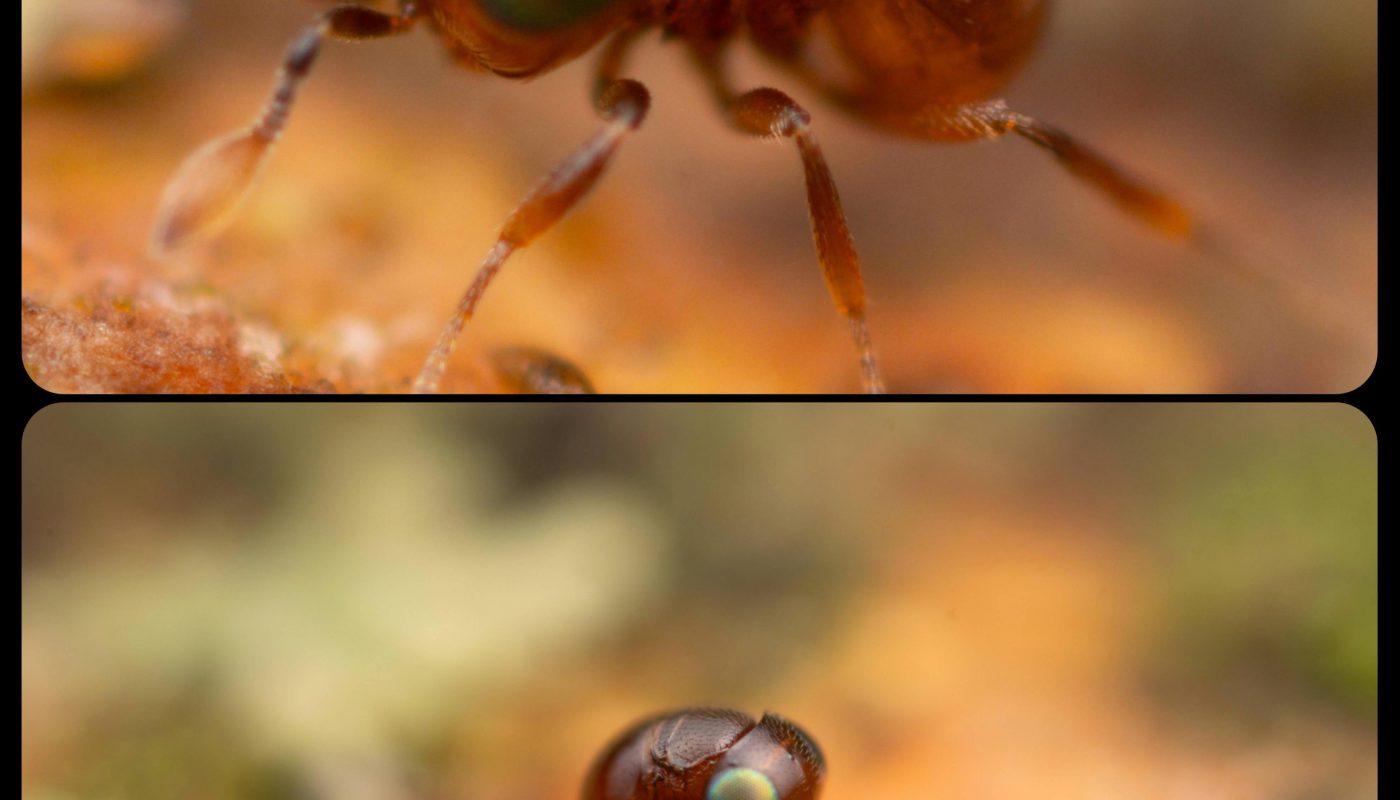
Baeus Wasps: these strange little wasps have flea-like bodies that measure roughly 0.8mm long, which is smaller than a grain of sand, and the females are wingless
Title: Baeus Wasps: The Microscopic Marvels Smaller Than a Grain of Sand
Meta Description: Discover the astonishing world of Baeus wasps – flea-sized insects measuring just 0.8mm long. Learn why these tiny wasps fascinate scientists and their unique role in nature.
Baeus Wasps: Nature’s Tiny Secret
Imagine a wasp so small it’s dwarfed by a grain of sand. Meet the Baeus wasp, a near-invisible insect that defies expectations with its microscopic size and strange biology. Measuring a mere 0.8mm long, these wasps are smaller than the period at the end of this sentence. Yet, their peculiar adaptations—including wingless females and flea-like bodies—make them a marvel of evolution.
In this article, we’ll dive into the hidden world of Baeus wasps, exploring their biology, behavior, and ecological significance.
Physical Characteristics: A Masterclass in Miniaturization
Baeus wasps (family Scelionidae) are among the tiniest insects on Earth. Their minuscule size allows them to thrive unnoticed, but when magnified, their peculiar traits come into focus:
- Size Comparison: At just 0.8mm long, they’re smaller than a grain of sand (which averages 1mm).
- Flea-Like Bodies: Their flattened, oval shape and compact legs resemble fleas, enabling them to navigate tight spaces.
- Sexual Dimorphism: Females are entirely wingless, relying on their legs to crawl through soil or leaf litter. Males, however, retain small wings but rarely fly far due to their size.
- Coloration: They typically have dark, shiny exoskeletons, camouflaging them against soil or bark.
These adaptations help Baeus wasps evade predators and exploit niches inaccessible to larger insects.
Behavior: Stealthy Parasitoids of Spider Eggs
Baeus wasps are parasitoids, meaning their larvae develop by feeding on host organisms—in this case, spider eggs. Here’s how their life cycle unfolds:
- Host Hunt: Wingless females scavenge for spider egg sacs hidden in soil, under rocks, or in vegetation.
- Egg Laying: A female wasp pierces the sac and lays her eggs inside individual spider embryos.
- Larval Feast: The hatched larvae consume the spider eggs, emerging as adults weeks later.
This strategy ensures their offspring have instant access to food, but it’s a high-risk gamble—only a few eggs in a sac might survive.
Habitat: Where Do Baeus Wasps Live?
Baeus wasps thrive in global habitats where spiders are abundant:
- Forests: Decaying logs and leaf litter house spider egg sacs.
- Grasslands: Soil-dwelling spiders attract female wasps.
- Urban Gardens: Even green spaces can harbor these micro-wasps.
Their tiny size and subterranean habits make them notoriously hard to study, but researchers have identified species across North America, Australia, and Europe.
Ecological Role: Unsung Pest Controllers?
Though understudied, Baeus wasps likely play a subtle role in ecosystems:
- Spider Population Control: By parasitizing egg sacs, they may curb spider numbers naturally.
- Food Web Links: They serve as prey for mites, ants, and other micro-predators.
Scientists speculate these wasps could even inspire biocontrol solutions for spider-related agricultural pests.
Frequently Asked Questions
Q: Can you see Baeus wasps with the naked eye?
A: Barely! At 0.8mm, they appear as tiny specks. A magnifying glass or microscope is needed to observe details.
Q: Are they dangerous to humans?
A: No. Their stinger (ovipositor) is used only to pierce spider eggs—they’re harmless to people.
Q: Why are the females wingless?
A: Evolution favored winglessness to save energy and improve mobility in cramped spaces.
Conclusion: Why Baeus Wasps Matter
Baeus wasps are a reminder that nature’s most extraordinary stories often unfold on the smallest scale. Their flea-like bodies, microscopic size, and unique life cycle showcase evolution’s ingenuity. While they might never grab headlines like their larger relatives, these wasps exemplify how even the tiniest creatures hold ecological significance.
Next time you see a spider’s web, remember: hidden within its egg sacs could be a world of miniature wasps, quietly shaping the balance of life.
Keyword Tags:
Baeus wasps, smallest wasps, microscopic insects, parasitoid wasps, wingless wasps, tiny insects, Scelionidae, spider egg parasitoids