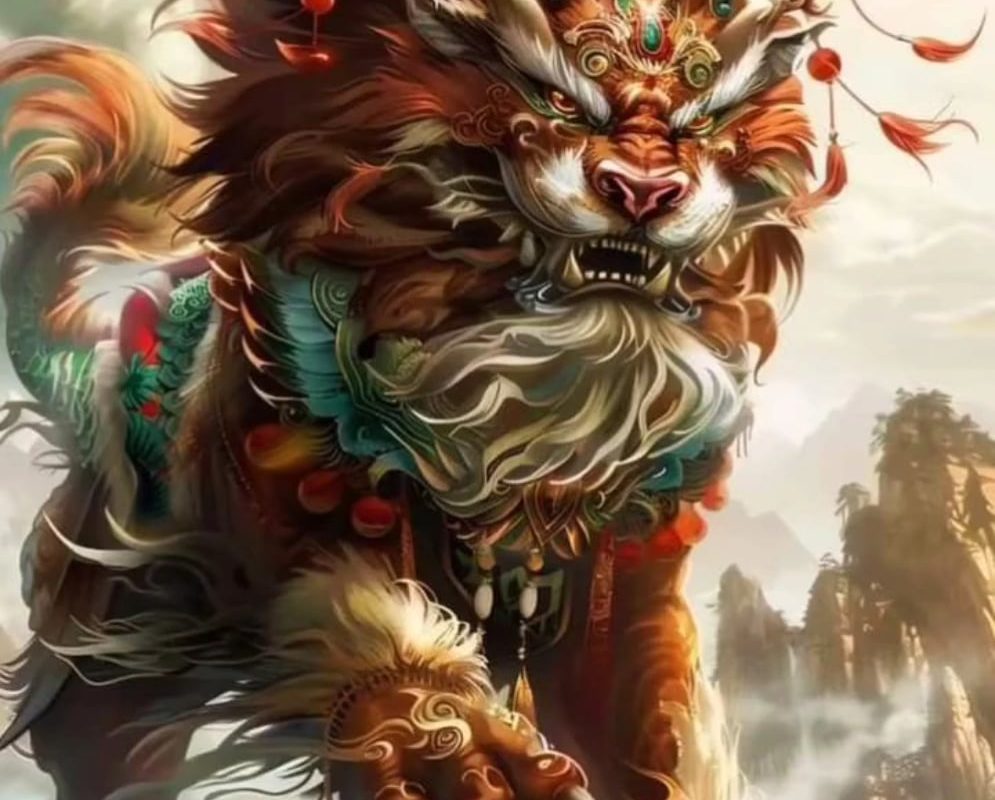
The tradition of setting off fireworks on New Year’s Eve originates from ancient China. The China had a legend of a monster called Nian (年), which inhabited the sea and mountains and emerged on the last day of the year to attack people and animals. Learn more in the video below.
Meta Title: The Legend of Nian: How Ancient China’s Monster Inspired New Year’s Eve Fireworks
Meta Description: Discover the ancient Chinese legend of Nian, the fearsome beast behind the tradition of setting off fireworks on New Year’s Eve. Uncover the history and symbolism of this global celebration!
The Legend of Nian: Ancient China’s Monster and the Origin of New Year’s Eve Fireworks
Every New Year’s Eve, skies around the world explode with fireworks—a dazzling spectacle rooted in a 2,000-year-old Chinese legend. At its heart lies the terrifying myth of Nian (年), a monstrous creature whose story shaped one of humanity’s most enduring traditions.
The Ancient Tale of Nian: A Monster of Chaos
In ancient Chinese folklore, Nian was a fearsome beast that dwelled deep within the mountains or beneath the sea. Described as having the body of a bull, the head of a lion, and sharp horns, Nian emerged only once a year—on the final night of the lunar calendar—to ravage villages, devour crops, livestock, and even humans, especially children.
For centuries, terrified villagers lived in dread of this annual terror. Then, one fateful year, a revelation changed everything.
The Discovery That Saved a Nation
According to legend, an elderly visitor arrived in a village shortly before Nian’s dreaded appearance. As panicked families fled to remote hills for safety, he vowed to stay behind. To their amazement, he survived by using three unexpected tools:
- Red Paper Cutouts (春联): He adorned doors and windows with crimson decorations.
- Bamboo Fires: He lit blazing piles of bamboo, creating ear-splitting cracks.
- Loud Noises: He drummed and shouted throughout the night.
When villagers returned at dawn, their homes were untouched. They realized Nian had been repelled by the color red, the glow of fire, and deafening noises. This triumph became the blueprint for future celebrations.
Watch: The Legend of Nian – How Fireworks Tamed a Monster
From Bamboo Explosions to Fireworks: A Revolution in Celebration
Initially, people threw bamboo stalks into fires, where trapped air pockets caused loud bangs to scare Nian away. This evolved into baozhu (爆竹), or “exploding bamboo,” an early form of firecrackers. Later, during the Tang Dynasty (618–907 AD), gunpowder revolutionized the practice, giving birth to fireworks.
By the Song Dynasty (960–1279 AD), fireworks had become central to celebrations, symbolizing joy, prosperity, and the banishment of evil spirits. The tradition spread across Asia and later globally, merging with local customs while staying true to its ancient roots.
Symbolism in Modern Celebrations
- 🔴 Red Decorations: Still ward off misfortune.
- 💥 Fireworks: Represent driving away negativity and welcoming luck.
- 🧨 Firecrackers: Their noise “wakes up” the new year with energy.
Today, over 90% of the world’s fireworks are produced in China—a nod to the legend’s enduring legacy.
The Global Legacy of Nian’s Defeat
China’s Lunar New Year (Spring Festival) remains inseparable from fireworks, with cities like Beijing and Shanghai hosting spectacular displays. Meanwhile, Western New Year’s Eve events—from Sydney Harbor to Times Square—echo this ancient practice. Yet few celebrators know that behind the brilliance lies the story of a monster thwarted by ingenuity.
Eco-Friendly Evolutions
As environmental concerns grow, alternatives like LED light shows and silent fireworks gain traction. Still, the essence of the tradition—victory over darkness through light and unity—lives on.
Conclusion: A Tradition Born From Fear, Sustained by Hope
The Nian legend embodies humanity’s timeless quest to conquer fear with creativity. Fireworks on New Year’s Eve aren’t just a show; they’re a 2,000-year-old symbol of resilience, lighting the way for a hopeful future.
Want to Dive Deeper?
Watch our video exploring how Nian’s legend shaped Lunar New Year traditions across Asia!
Did you know this story? Share how you celebrate New Year’s Eve in the comments!
SEO Keywords:
Chinese New Year fireworks, Nian monster, origin of fireworks, ancient Chinese traditions, Lunar New Year legend, New Year’s Eve history, Spring Festival customs, symbolism of red, Chinese folklore, defeating evil spirits.
Optimized for search intent around cultural history, New Year traditions, and mythical origins.