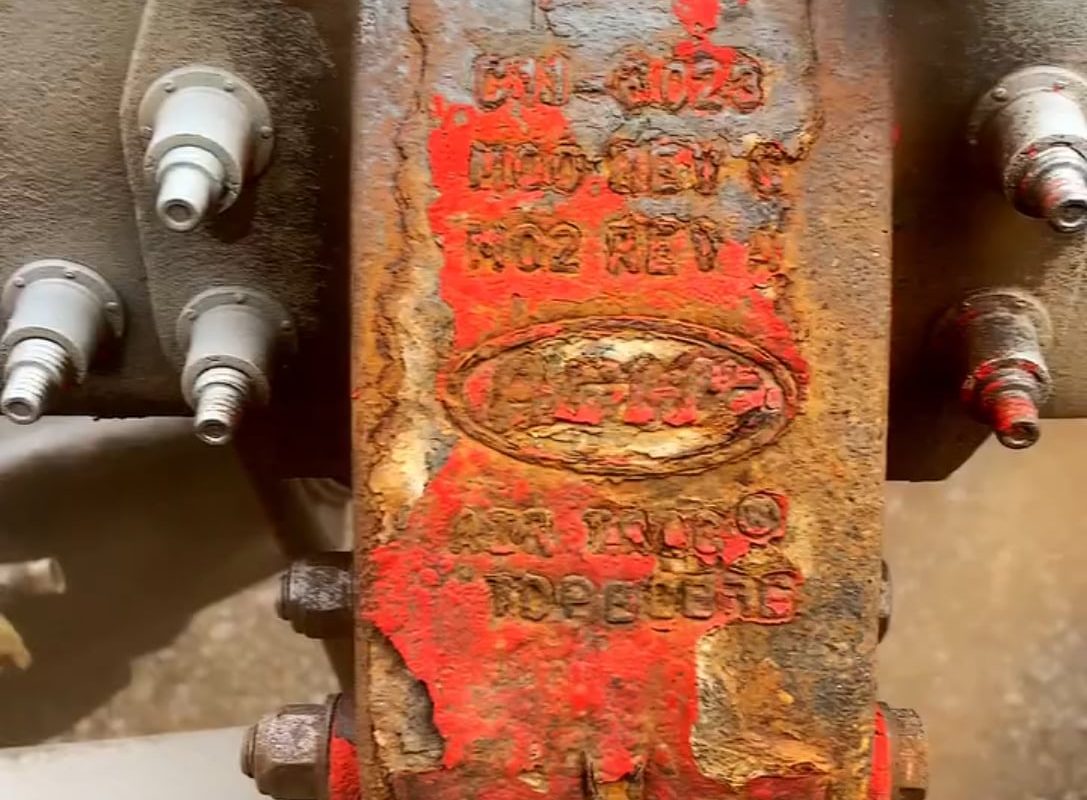
Rust being removed by sandblasting
Rust Removal by Sandblasting: The Ultimate Guide for Restoration Projects
Rust is an inevitable enemy of metal surfaces, eating away at its integrity and aesthetic appeal over time. When it comes to restoring metal objects—whether it’s a classic car, industrial machinery, or vintage furniture—sandblasting stands out as one of the most efficient and thorough methods for rust removal. In this comprehensive guide, you’ll learn how sandblasting works, why it’s superior to other rust-removal techniques, and how to execute it safely and effectively.
What Is Sandblasting (Abrasive Blasting)?
Sandblasting, also known as abrasive blasting, is a surface preparation technique that forcibly propels abrasive media (e.g., sand, steel grit, or crushed glass) at high pressure onto a metal surface. This process strips away rust, paint, corrosion, and contaminants while creating a clean, textured surface ideal for repainting, welding, or recoating.
While the term “sandblasting” traditionally refers to using silica sand, modern variants now use eco-friendly and safer abrasives due to health risks associated with silica dust. Common alternatives include:
- Steel grit or shot: Durable and reusable, ideal for heavy-duty rust removal on thick metals.
- Glass beads: Less abrasive, perfect for delicate surfaces or final finishing.
- Walnut shells/corn cob: Organic, biodegradable options for lightweight cleaning.
Why Sandblasting Is Superior for Rust Removal
Compared to manual scraping, wire brushing, or chemical treatments, sandblasting offers several unbeatable advantages:
- Speed & Efficiency: Blasting removes rust from large areas quickly, even from hard-to-reach crevices.
- Thoroughness: Eliminates 100% of rust, oxidation, and old coatings, unlike partial manual methods.
- Surface Preparation: Creates a “profile” (microscopic roughness) that improves adhesion for paints or primers.
- Versatility: Works on irregular surfaces, intricate designs, and heavy machinery without warping thin metal (if done correctly).
- Eco-Friendliness: When using non-toxic media (e.g., baking soda), it minimizes chemical waste.
Step-by-Step Guide to Removing Rust with Sandblasting
Step 1: Safety First
Sandblasting generates hazardous dust and debris. Always wear:
- A NIOSH-approved respirator or blast helmet with fresh air supply.
- Heavy-duty gloves, goggles, and protective clothing.
- Work in a well-ventilated area or blast cabinet to contain particles.
Step 2: Choose the Right Abrasive Media
Select media based on your project:
- Steel Grit: Best for thick rust on car frames, tools, or structural steel.
- Aluminum Oxide: All-purpose media for automotive parts or machinery.
- Baking Soda (Sodablasting): Safe for soft metals, electronics, or surfaces needing gentle stripping.
Step 3: Set Up Equipment
- Use a sandblasting gun attached to an air compressor (minimum 80-100 PSI).
- Fill the blast pot with your chosen abrasive media.
- Test pressure and nozzle distance (typically 6–12 inches from the surface) on a scrap piece.
Step 4: Blast Away the Rust
- Hold the nozzle at a 45-degree angle to avoid embedding media into the metal.
- Work in sections, moving the gun steadily to prevent uneven blasting.
- For stubborn rust, increase pressure gradually—avoid overblasting delicate areas.
Step 5: Post-Blast Cleanup & Protection
- Remove residual dust with compressed air or a damp cloth.
- Apply a rust-inhibiting primer or coating immediately to prevent flash rusting.
- Dispose of used media per local environmental regulations (especially silica sand).
Limitations & Safety Considerations
While sandblasting excels in rust removal, it’s not without risks:
- Health Hazards: Silica sand can cause silicosis (a lung disease) if inhaled—use safer alternatives.
- Surface Damage: High pressure or improper technique can warp thin metal sheets.
- Noise & Cost: Equipment is loud and requires investment (renting is an option for DIYers).
Sandblasting vs. Alternative Rust Removal Methods
| Method | Best For | Pros | Cons |
|---|---|---|---|
| Sandblasting | Heavy rust, large surfaces | Fast, thorough, prepares surface | Equipment cost, safety risks |
| Wire Brushing | Light surface rust | Low-cost, no equipment needed | Labor-intensive, incomplete |
| Chemical Strippers | Intricate parts | Penetrates crevices | Toxic, slow, hazardous disposal |
| Electrolysis | Delicate antiques | Non-destructive | Time-consuming, technical setup |
Conclusion
Sandblasting is a powerful and efficient solution for rust removal, especially for large-scale or stubborn corrosion. By selecting the right abrasive media, following safety protocols, and mastering the technique, you can restore metal surfaces to their original glory while ensuring long-lasting protection against future rust. For DIYers, renting equipment or hiring a professional sandblasting service is often the safest and most cost-effective route.
Ready to revive your rusty treasures? With sandblasting, you’re not just removing corrosion—you’re reclaiming history, one blast at a time.