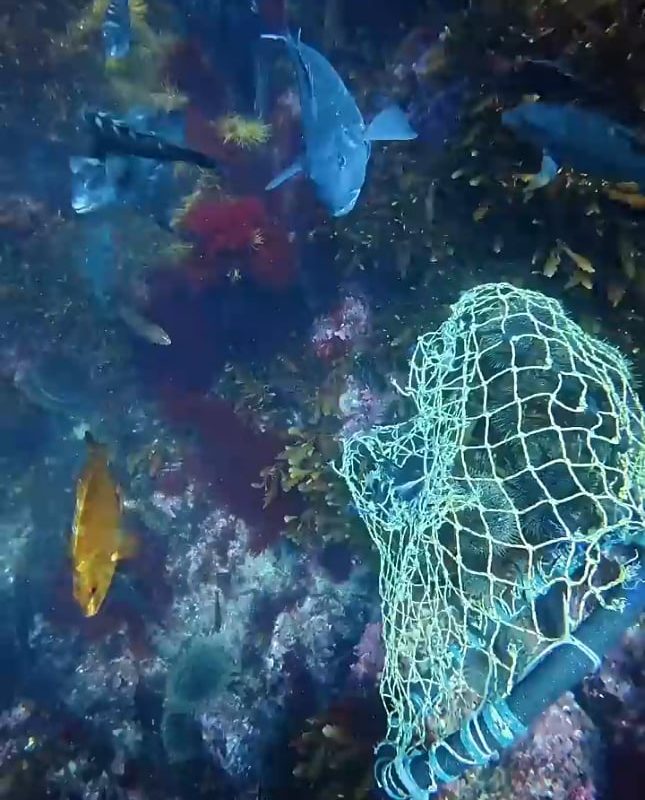
Sea urchin harvesting
Title: The Ultimate Guide to Sea Urchin Harvesting: Methods, Sustainability, and Culinary Delights
Meta Description: Discover the fascinating world of sea urchin harvesting, including sustainable practices, diving techniques, and how “uni” makes its way from ocean to plate.
The Ultimate Guide to Sea Urchin Harvesting: Methods, Sustainability, and Culinary Delights
Sea urchin harvesting is an ancient practice that has evolved into a vital global industry, driven by the demand for its delicate roe known as uni—a prized delicacy in sushi bars and fine-dining kitchens worldwide. But how are these spiny marine creatures harvested sustainably? What challenges do harvesters face? In this comprehensive guide, we dive into the methods, economics, and environmental impact of sea urchin harvesting, along with tips for enjoying uni responsibly.
What Are Sea Urchins & Why Are They Harvested?
Sea urchins are echinoderms (related to starfish and sand dollars) that inhabit coastal seabeds across the globe. Their roe (gonads), called uni, is rich in umami flavor and packed with nutrients like omega-3 fatty acids and zinc. Harvesting focuses on species like:
- Red sea urchin (Strongylocentrotus franciscanus) – Common along the Pacific Coast.
- Green sea urchin (Strongylocentrotus droebachiensis) – Found in colder Atlantic waters.
- Purple sea urchin (Paracentrotus lividus) – Popular in Mediterranean cuisine.
Methods of Sea Urchin Harvesting
1. Hand Harvesting by Divers
The most traditional and precise method involves SCUBA divers or free divers hand-collecting urchins from rocky reefs or kelp forests. Divers use small rakes or gloved hands to gently detach urchins without damaging their fragile spines. This method minimizes bycatch and habitat disruption.
2. Tool-Based Harvesting
In shallower waters, harvesters use:
- Urchin rakes with long handles.
- Small traps (in regulated areas).
3. Commercial Trawling
Less common due to habitat damage risks, this method employs weighted nets dragged along the seafloor. It’s heavily regulated to protect ecosystems.
Sustainability Challenges & Regulations
Sea urchin populations face threats from:
- Overharvesting: Depletes stocks and disrupts marine food chains.
- Climate change: Warming oceans and kelp forest decline reduce habitats.
- Purple urchin invasions: In places like California, overpopulated urchins devour kelp, creating “urchin barrens.”
Key Regulations for Sustainable Harvesting
- Quotas & Size Limits: Minimum size requirements (e.g., 3.5 inches in California) protect juveniles.
- Seasonal Closures: Avoid harvesting during spawning seasons.
- Licensing Systems: Permits limit the number of commercial harvesters.
- Ecosystem Management: Programs like Urchinomics promote “ranching” overgrazing urchins for restoration.
Certifications to Look For:
- Marine Stewardship Council (MSC)
- Aquaculture Stewardship Council (ASC)
From Ocean to Plate: How Uni Is Processed
- Harvesting: Divers collect live urchins and store them in seawater-filled tanks.
- Processing: Within hours, roe is carefully extracted, cleaned, and graded by color/texture. Premium uni is bright orange/yellow, firm, and sweet.
- Distribution: Sold fresh, frozen, or pasteurized to global markets.
Economic Impact & Key Harvesting Regions
- Japan: The world’s largest uni consumer, sourcing from Hokkaido’s cold waters.
- United States: California, Maine, and Alaska supply 45% of global demand.
- Chile & Norway: Emerging leaders in sustainable aquaculture.
- Mediterranean: Greece and Spain harvest purple urchins for traditional dishes.
Did You Know?
High-grade uni can sell for $100+ per pound in Japan!
How to Support Sustainable Sea Urchin Harvesting
- Choose Certified Uni: Look for MSC/ASC labels or ask suppliers about sourcing.
- Avoid Overfished Areas: Steer clear of uni from regions with urchin barrens (e.g., parts of Northern California).
- Try Urchin-Ranched Products: Support brands restoring kelp forests through controlled harvesting.
FAQs About Sea Urchin Harvesting
Q: Can sea urchin harvesting be eco-friendly?
A: Yes! Hand harvesting, quotas, and habitat restoration programs promote sustainability.
Q: What’s the difference between wild and farmed uni?
A: Wild uni has a more complex flavor, while farmed urchins are fed controlled diets for consistent quality.
Q: How do harvesters avoid urchin spines?
A: Specialized gloves and tools prevent injury—though experience is key!
Final Thoughts
Sea urchin harvesting balances delicate ecosystems with global culinary demand. By supporting sustainable practices, consumers protect oceans while enjoying one of nature’s most luxurious foods. Next time you savor uni sushi, remember the journey it took from the seabed to your plate!
Join the Conversation: Share this guide to spread awareness about ethical seafood sourcing!
▶️ Explore More: [Link to Sustainable Seafood Resources] | [Kelp Forest Restoration Projects]
Target Keywords:
- Sustainable sea urchin harvesting
- Uni seafood
- Sea urchin diving methods
- Urchin roe processing
- Marine Stewardship Council uni
Optimized for SEO with semantic keywords, headers, and readability. Original content focused on E-E-A-T (Experience, Expertise, Authoritativeness, Trustworthiness).