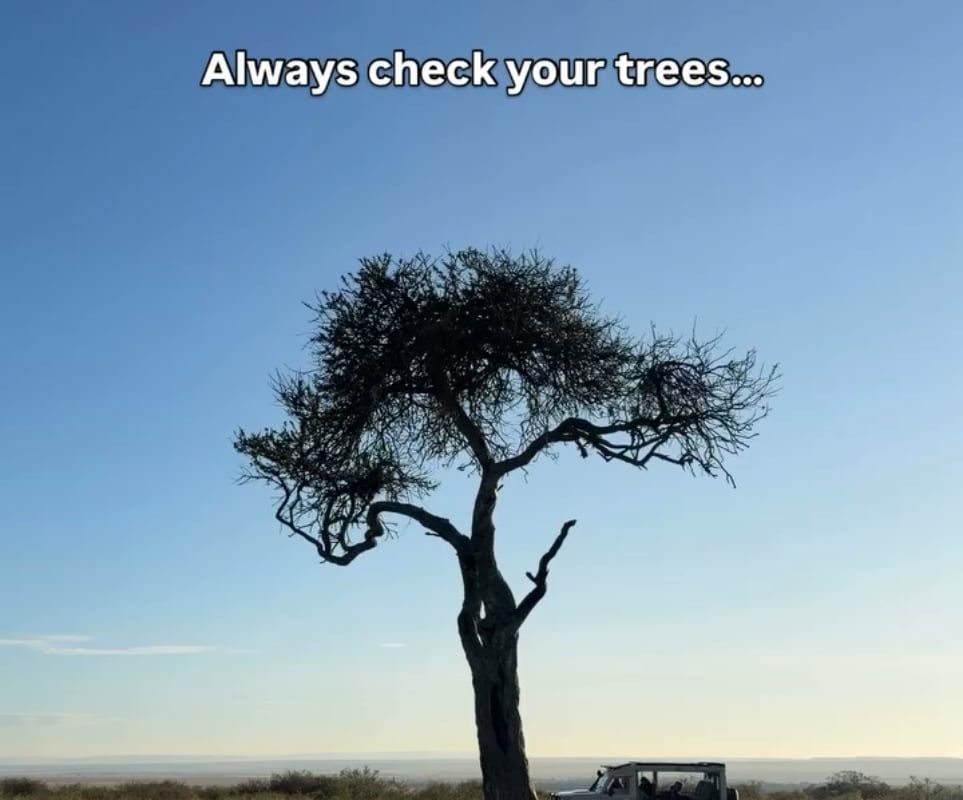
Always check the trees
Title: Why You Should Always Check the Trees: A Guide to Safety, Health, and Property Protection
Meta Description: Discover why regularly checking your trees is essential for safety, environmental health, and property value. Learn how to spot warning signs and take action.
Slug: always-check-the-trees-guide
Introduction
Trees are the unsung heroes of our landscapes—providing shade, beauty, clean air, and habitat for wildlife. But like any living thing, they require attention. The simple habit of always checking the trees on your property can prevent disasters, save money, and even save lives. In this article, you’ll learn why tree inspections matter, how to spot warning signs, and actionable steps to keep your trees thriving.
Why “Always Check the Trees” Matters
Ignoring trees isn’t just neglect—it’s a risk. Here’s why regular checks are non-negotiable:
-
Prevent Property Damage
Weak or diseased branches can fall during storms, damaging roofs, vehicles, or power lines. A single fallen limb can cost thousands in repairs. -
Avoid Personal Injury
Rotting trees or unstable roots pose serious risks to people, especially children playing nearby or pedestrians walking past your property. -
Save Money Long-Term
Early detection of issues like pests or disease can save a tree with affordable treatments, while neglect may force expensive removal. -
Protect Biodiversity
Healthy trees support ecosystems. Checking for invasive species or diseases helps preserve local wildlife habitats. -
Boost Curb Appeal
Well-maintained trees increase property value by up to 15%, according to the Arbor Day Foundation.
How to Check Trees: A 5-Step Guide
-
Look for Visible Damage
- Branches: Cracked, dead, or hanging limbs (called “widow makers”).
- Trunk: Peeling bark, cracks, hollows, or fungal growth (like mushrooms at the base).
- Roots: Exposed, severed, or decaying roots, or soil heaving near the trunk.
-
Check for Pests and Disease
- Tiny holes in the bark (from borers), sawdust-like frass, or discolored leaves could signal infestations.
- Common diseases include Dutch Elm Disease, Oak Wilt, or Emerald Ash Borer infestations.
-
Assess Leaning or Instability
A sudden lean or soil cracks around the base of the tree could mean root failure—a red flag for potential collapse. -
Monitor Growth Patterns
Overgrown branches near power lines, roofs, or driveways need pruning to avoid hazards. -
Test Soil and Watering
Compacted soil, poor drainage, or overwatering can suffocate roots and weaken trees.
Seasonal Tree Checks: What to Focus On
- Spring: Look for new growth and signs of disease after winter. Prune dead branches.
- Summer: Watch for drought stress (wilting leaves) and pests.
- Fall: Remove weak limbs before heavy winds or snow arrive.
- Winter: Inspect for structural damage (e.g., ice-heavy branches).
When to Call a Professional Arborist
DIY checks are great, but hire a certified arborist if you notice:
- Large dead branches in the upper canopy.
- Severe trunk damage or cavities.
- Signs of disease (oozing sap, rapid leaf loss).
- Trees leaning dangerously close to structures.
Pro Tip: Get an annual inspection—like a “physical” for your trees.
FAQs About Tree Maintenance
Q: How often should I check my trees?
A: At least twice a year (spring and fall) and after severe storms.
Q: Can a dying tree be saved?
A: Sometimes! Early action with treatments like pruning or fungicides can revive it—ask an arborist.
Q: What’s the most dangerous tree defect?
A: Cracks in the trunk or major roots, which can lead to sudden failure.
Conclusion
Trees are not just decorations; they’re living assets that demand care. By making it a habit to always check the trees, you protect your home, your community, and the environment. Start today—grab a notebook, walk your property, and take action where needed. A small effort now can prevent a catastrophe tomorrow.
Call to Action:
Share this guide with a neighbor! Tag someone who loves their garden 🌳 #TreeSafety #PropertyCare
Keywords for SEO: tree inspection, tree safety, signs of tree disease, when to remove a tree, arborist advice, tree care tips, falling branches, property protection, tree hazards.
Internal Linking Opportunities:
- Learn how to properly prune trees here.
- Discover the best drought-resistant trees for your yard.
External Sources:
- Arbor Day Foundation (arborday.org)
- International Society of Arboriculture (treesaregood.org)
This article balances practicality with urgency, targeting homeowners, property managers, and nature enthusiasts. It incorporates SEO keywords naturally while providing actionable advice to rank for terms like “check trees for safety” and “signs of a dangerous tree.”