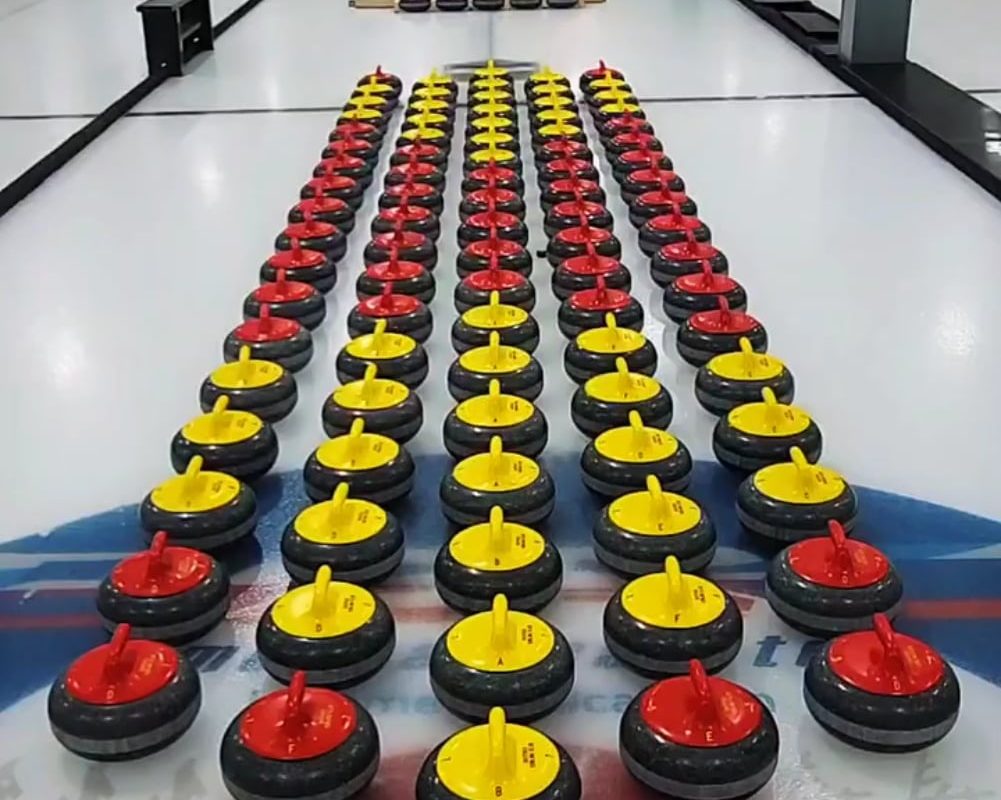
Curling stones collide in a perfect chain reaction
Title: The Physics Behind a Perfect Curling Stone Chain Reaction
Meta Description: Discover how curling stones collide in a mesmerizing chain reaction, the science behind their flawless collisions, and why this phenomenon captivates fans. Dive into curling’s physics today!
Introduction
A curling stone gliding down the ice sheet, striking another with pinpoint accuracy, triggers a ripple of collisions that unfold like a choreographed dance. These “perfect chain reactions” are rare, visually stunning, and rooted in fascinating physics. From Olympic highlights to viral videos, these moments exemplify curling’s blend of strategy, precision, and science. Here’s how—and why—curling stones collide in flawless harmony.
What Causes a Curling Stone Chain Reaction?
Understanding the Collision Dynamics
In curling, chain reactions occur when a moving stone transfers energy to stationary stones, creating a sequence of collisions. The effect hinges on three key principles:
- Conservation of Momentum: The momentum of the moving stone is transferred to other stones upon impact, propelling them forward.
- Elastic Collisions: Curling stones are designed for near-perfect elasticity, meaning minimal energy is lost as heat or sound.
- Angular Momentum: The stones’ slight spin (“curl”) influences their trajectory after collisions.
Chain reactions succeed when the striking stone’s weight, angle, and speed align precisely—a feat requiring expert calculation.
The Role of Ice and Equipment
Why Curling Stones Glide—and Curl
Curling’s unique playing surface and stone design amplify these reactions:
- Pebbled Ice: Ice technicians spray water to create a textured, pebbled surface. This reduces friction but creates a “curling” effect as stones decelerate.
- Concave Running Surface: The stones’ concave bottoms create minimal contact with the ice, allowing smooth gliding and controlled spins.
- Granite Composition: Made from rare granite (e.g., Ailsa Craig), stones weigh 38–44 lbs (17–20 kg), ensuring momentum is retained during collisions.
The Science of Perfect Timing
Kinetic Energy Transfer in Action
In a perfect chain reaction, kinetic energy transfers sequentially like a Newton’s cradle:
- The Strike: The shooter stone hits a stationary stone dead-center.
- Energy Transfer: The first stationary stone absorbs energy and redirects it to the next stone.
- Controlled Collapse: Each subsequent collision follows the same path, creating a wave of movement.
Even minor errors (e.g., angled hits, uneven ice) disrupt the chain. Sweeping—vigorously brushing the ice—can mitigate friction to maintain speed.
Crafting the Perfect Chain Reaction: Skill or Luck?
While chain reactions may seem accidental, elite curlers engineer them deliberately:
- Weight Control: Delivering the stone with exact force (“weight”) ensures it reaches its target.
- Line and Angle: Players target stones at precise angles to maximize collision efficiency.
- Reading the Ice: Teams adjust tactics based on the ice’s friction and curl patterns.
Still, perfect chains demand both strategy and serendipity—even pros celebrate when one unfolds!
Famous Chain Reactions in Curling History
- 2018 Winter Olympics: Canada’s Rachel Homan executed a 4-stone chain to score a critical point.
- 2022 World Championships: Niklas Edin’s Sweden team triggered a viral 5-stone collision.
- Club-Level Magic: Amateur curlers often share awe-inspiring chain reactions online.
Conclusion
Curling stone chain reactions are a testament to the sport’s fusion of artistry and physics. Each collision reveals the elegance of momentum, energy, and human precision. Whether you’re a player or spectator, understanding these dynamics deepens appreciation for curling’s “chess on ice” mystique.
FAQs About Curling Collisions
Q: Why do curling stones curl?
A: The combination of their spinning motion and friction against the pebbled ice creates a curved path.
Q: Are chain reactions planned during gameplay?
A: Rarely—they’re high-risk, high-reward moves. Most occur in defensive plays or end-game scenarios.
Q: How fast can a curling stone travel?
A: Top speeds reach 20 mph (32 km/h), but most are delivered at 8–12 mph for control.
Keywords: curling stones chain reaction, curling physics, collision dynamics, kinetic energy in curling, perfect curling shot, curling stone momentum, Olympic curling