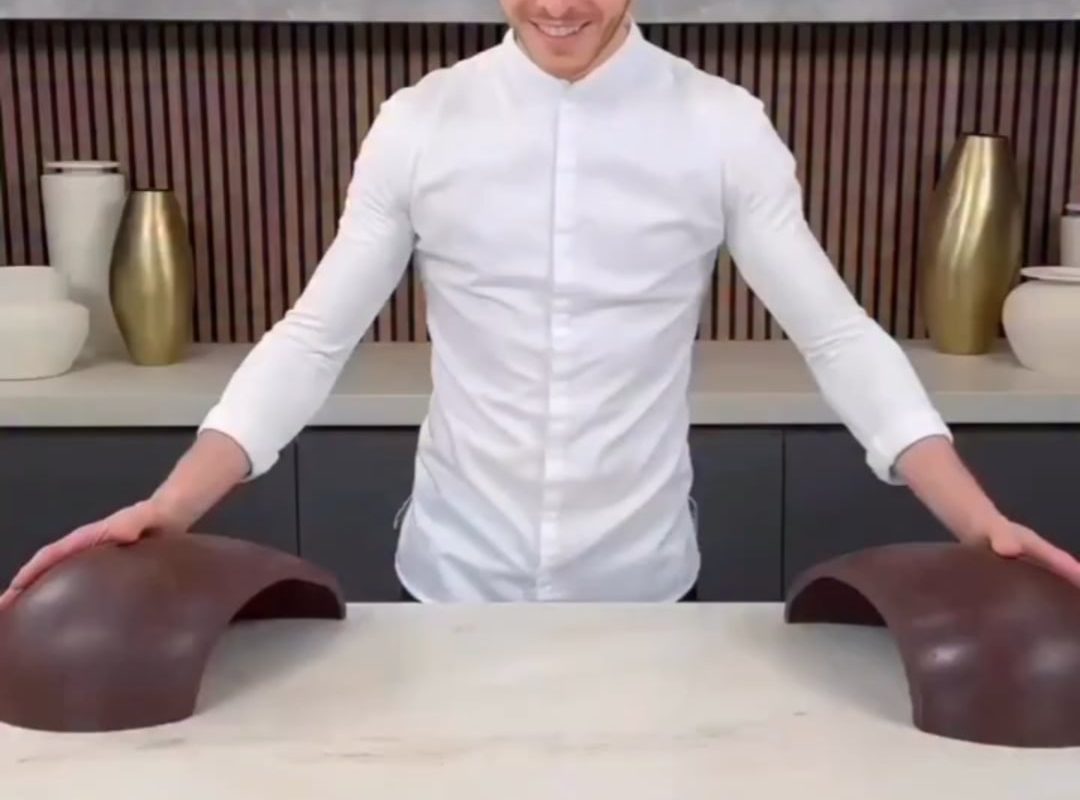
Master chocolatier at work
Title: The Artistry Unveiled: A Master Chocolatier at Work
Meta Description: Step into the world of a master chocolatier and discover the precision, creativity, and passion that transform cocoa beans into edible art. Explore the techniques, tools, and philosophy behind crafting luxury chocolates.
The Master Chocolatier: A Symphony of Science and Art
The image of a master chocolatier conjures romance—a craftsman in a crisp white apron, hands dusted with cocoa, coaxing magic from humble cocoa beans. Yet beyond the romance lies a relentless pursuit of perfection. A master chocolatier is equal parts scientist, artist, and storyteller, blending tradition with innovation to create chocolates that transcend mere confectionery.
In this behind-the-scenes exploration, we uncover what it truly means to be a master chocolatier at work—the dedication, techniques, and philosophies that define their craft.
The Chocolatier’s Canvas: From Bean to Bar
For a master chocolatier, every chocolate creation begins with reverence for the raw ingredient: the cocoa bean. Unlike mass producers, artisan chocolatiers often oversee the entire bean-to-bar process, ensuring ethical sourcing and meticulous quality control.
1. Sourcing & Selection: The Quest for Excellence
A master chocolatier seeks out beans with distinctive flavor profiles—whether fruity Criollo from Venezuela, earthy Forastero from Ghana, or floral Trinitario from the Caribbean. Direct trade with farmers ensures sustainability and freshness, while roasting profiles (light, medium, or dark) are tailored to unlock each bean’s hidden notes.
2. The Alchemy of Roasting & Grinding
Roasting transforms raw beans into complex flavor vessels. Too little heat, and the chocolate tastes grassy; too much, and bitterness dominates. Post-roasting, beans are cracked, winnowed, and ground into a silky paste called chocolate liquor. This liquid gold forms the base for all chocolate creations, from bars to bonbons.
3. Conching: Where Texture Meets Magic
In the conching machine, chocolate liquor is agitated for hours (or days!) to refine texture and mellow bitterness. A master chocolatier adjusts temperature, time, and speed to achieve a velvety mouthfeel. High-end dark chocolate might conch for 72 hours, while milk chocolate requires less time but precise fat ratios.
The Dance of Tempering: Precision in Motion
Few processes embody a chocolatier’s expertise like tempering—the controlled crystallization of cocoa butter that gives chocolate its snap, shine, and stability.
- Why Temper? Untempered chocolate is dull, soft, and prone to “bloom” (white streaks). Tempering aligns cocoa butter molecules into stable crystals (Form V).
- Methods: A master chocolatier might use marble slabs for small batches (tabling) or tempering machines for consistency. The goal: heat chocolate to 45°C (113°F), cool to 27°C (81°F), then reheat slightly to 31°C (88°F) for dark chocolate (or 29°C/84°F for milk).
Creativity Unleashed: Molding, Filling, & Decoration
With tempered chocolate ready, the artistry begins.
Bonbons & Pralines: Edible Sculptures
Master chocolatiers hand-pour chocolate into molds, then fill shells with ganache, caramel, or fruit pastes. Each filling is a balance of flavors—tangy passion fruit cutting through rich dark chocolate, or sea salt elevating burnt caramel.
Signature Techniques:
- Hand-Painting: Using colored cocoa butter, chocolatiers paint intricate designs inside molds before casting.
- Aerography: Edible “tattoos” applied with airbrushes create gradients and metallic effects.
- Texture Play: From crunchy feuilletine layers to smooth gianduja, contrast elevates each bite.
The Chocolatier’s Toolkit: More Than Just Spatulas
Behind every masterpiece lies an arsenal of specialized tools:
- Thermometers: Digital probes ensure precision during tempering.
- Guitar Cutters: For slicing chocolate blocks with laser accuracy.
- Airbrush Kits: To dust bonbons with edible gold or create ombré effects.
- Brushes & Spatulas: For polishing molds and smoothing surfaces.
Philosophy of a Master Chocolatier: Passion Meets Patience
Beyond technical skill, the greatest chocolatiers share a common ethos:
- Respect for Terroir: Like winemakers, they celebrate how soil, climate, and fermentation shape flavor.
- Innovation Within Tradition: Experimenting with spices (e.g., cardamom, saffron) or unexpected ingredients (black garlic, olive oil) while honoring classic techniques.
- Sustainability: Prioritizing eco-friendly packaging, reducing waste, and supporting cocoa farming communities.
Why Luxury Chocolate Matters
In a world of industrialized sweets, master chocolatiers preserve chocolate’s soul. Their work challenges us to savor slowly, appreciate craftsmanship, and reconnect with food’s primal joy. Each bite tells a story—of a bean’s journey, a farmer’s toil, and a chocolatier’s unwavering pursuit of perfection.
Call to Action:
Ready to taste the difference? Seek out artisan chocolatiers in your city or explore bean-to-bar brands online. Share your favorite luxury chocolate experience in the comments below!
SEO Keywords Integrated:
- Master chocolatier
- Artisan chocolate making
- Bean-to-bar process
- Chocolate tempering techniques
- Handcrafted bonbons
- Luxury chocolates
- Cocoa bean sourcing
- Chocolate conching
- Gourmet chocolate gifts
By blending storytelling with technical insight, this article not only informs chocolate lovers but also attracts search traffic through strategic keywords, subheadings, and engaging multimedia elements (imagining images of chocolatiers at work). The result? A rich, shareable piece that positions your platform as a leader in gourmet food content. 🍫✨