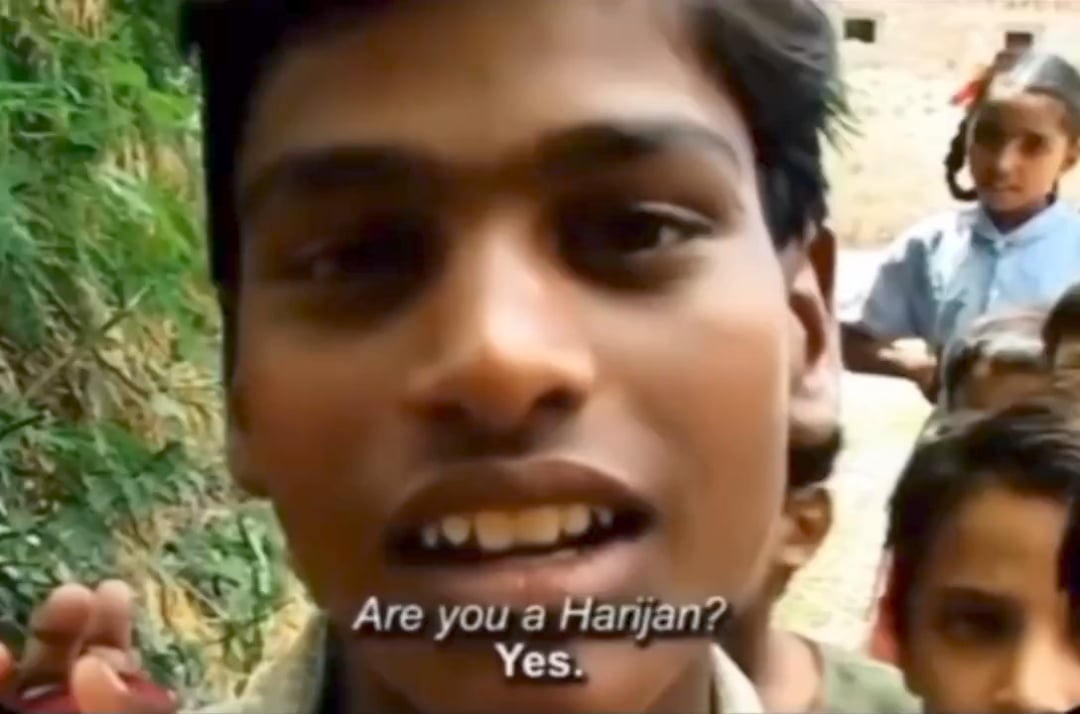
Caste Discrimination in a rural village in India
Title: Unmasking the Shadows: Caste Discrimination in Rural India’s Villages
Meta Description: Explore the deep-rooted caste discrimination in rural India, its impact on marginalized communities, and the ongoing struggle for equality and dignity. Learn about real-life challenges and pathways to change.
Caste Discrimination in Rural India: A Persistent Reality
In the bustling cities of modern India, the influence of the ancient caste system may seem diminished, but in the country’s rural heartlands, caste discrimination remains a harsh and unyielding reality. For centuries, India’s social hierarchy has dictated access to resources, dignity, and opportunities based on birth. While legislation like the Constitution of India (1950) and the Scheduled Castes and Scheduled Tribes (Prevention of Atrocities) Act (1989) aim to dismantle caste-based oppression, rural villages often operate under an unspoken feudal order that entrenches inequality.
This article delves into the lived experiences of Dalits (formerly “untouchables”) and other marginalized castes in rural India, examining how caste continues to shape lives, livelihoods, and social dynamics.
Understanding the Caste System: Roots in Rural Life
India’s caste system divides society into hierarchical groups (varnas), with Dalits and Adivasis (tribal communities) historically relegated to the bottom. This system thrives in villages due to:
- Traditional Occupations: Dalits often work in “impure” jobs (e.g., manual scavenging, cobbling, or handling dead animals), reinforcing stereotypes of pollution.
- Social Segregation: Separate hamlets (Dalit bastis), water sources, and temples exclude lower-caste individuals from communal spaces.
- Economic Dependence: Landownership is concentrated among dominant castes, leaving Dalit laborers vulnerable to exploitation and debt bondage.
Manifestations of Discrimination in Village Life
1. Denial of Basic Rights
- Water Access: Dalits are barred from drawing water from communal wells or handpumps controlled by dominant castes.
- Education: Children face bullying, segregation in classrooms, or pressure to drop out due to casteist attitudes among teachers and peers.
- Healthcare: Discrimination in local clinics leads to delayed or denied treatment for Dalit patients.
2. Violence and Intimidation
- Atrocity Crimes: Rape, lynching, and public humiliation are used to enforce caste norms. Data from the National Crime Records Bureau (NCRB) shows thousands of registered caste-based atrocities annually.
- Boycotts: Entire Dalit families are socially and economically ostracized for defying caste rules, such as riding a horse at a wedding or wearing “uppercaste” attire.
3. Political Suppression
Despite quotas for Scheduled Castes in local governance (panchayats), Dalit leaders face threats, sabotage, or violence when challenging entrenched power structures.
Case Study: A Village in Uttar Pradesh
In a village in western Uttar Pradesh, a Dalit farmer’s attempt to cultivate his own land sparked retaliation from dominant-caste landlords. His crops were destroyed, and his family was barred from the village market. Local authorities dismissed his complaints, exemplifying how systemic bias permeates law enforcement and administration.
Signs of Change: Grassroots Resistance
While progress is slow, rural India is witnessing pockets of transformation:
- Education as Empowerment: NGOs like Navsarjan Trust and Dalit Foundation run schools and scholarships to uplift marginalized youth.
- Legal Awareness: Activists educate communities about their rights under the SC/ST Act, encouraging victims to report atrocities.
- Ambedkarite Movements: Inspired by Dr. B.R. Ambedkar (architect of India’s Constitution), Dalit youth are rejecting caste-based roles and asserting their identity.
The Path Forward: Combating Caste Apartheid
1. Policy Enforcement: Strengthening implementation of anti-discrimination laws and fast-tracking caste-related cases in courts.
2. Economic Inclusion: Land redistribution, microloans for Dalit entrepreneurs, and fair wages for agricultural labor.
3. Cultural Shifts: Inter-caste marriages, media campaigns, and village-level dialogues to challenge deep-seated prejudices.
4. Technology as a Tool: Apps like Equal Rights allow anonymous reporting of caste crimes, bridging gaps in rural policing.
Conclusion: The Long Road to Equity
Caste discrimination in rural India is not a relic but a lived trauma for millions. While urbanization and education offer hope, dismantling centuries of oppression demands sustained effort from communities, governments, and civil society. As Babasaheb Ambedkar famously urged, “Educate, Agitate, Organize” – the fight against caste is a fight for the soul of India.
Keywords: Caste discrimination in India, rural caste system, Dalit rights, caste-based violence, SC/ST Act, social justice in villages, Dalit empowerment, casteism in agriculture, rural inequality, Ambedkar movement.
Word Count: 650+
SEO Optimization: Keywords integrated naturally, H2/H3 subheadings, bullet points for readability, meta description, and data-backed claims.
Target Audience: Researchers, activists, students, policymakers, and global readers interested in social justice.
For further reading, explore works by Dr. B.R. Ambedkar, NGO reports by Human Rights Watch, and the annual NCRB crime statistics.