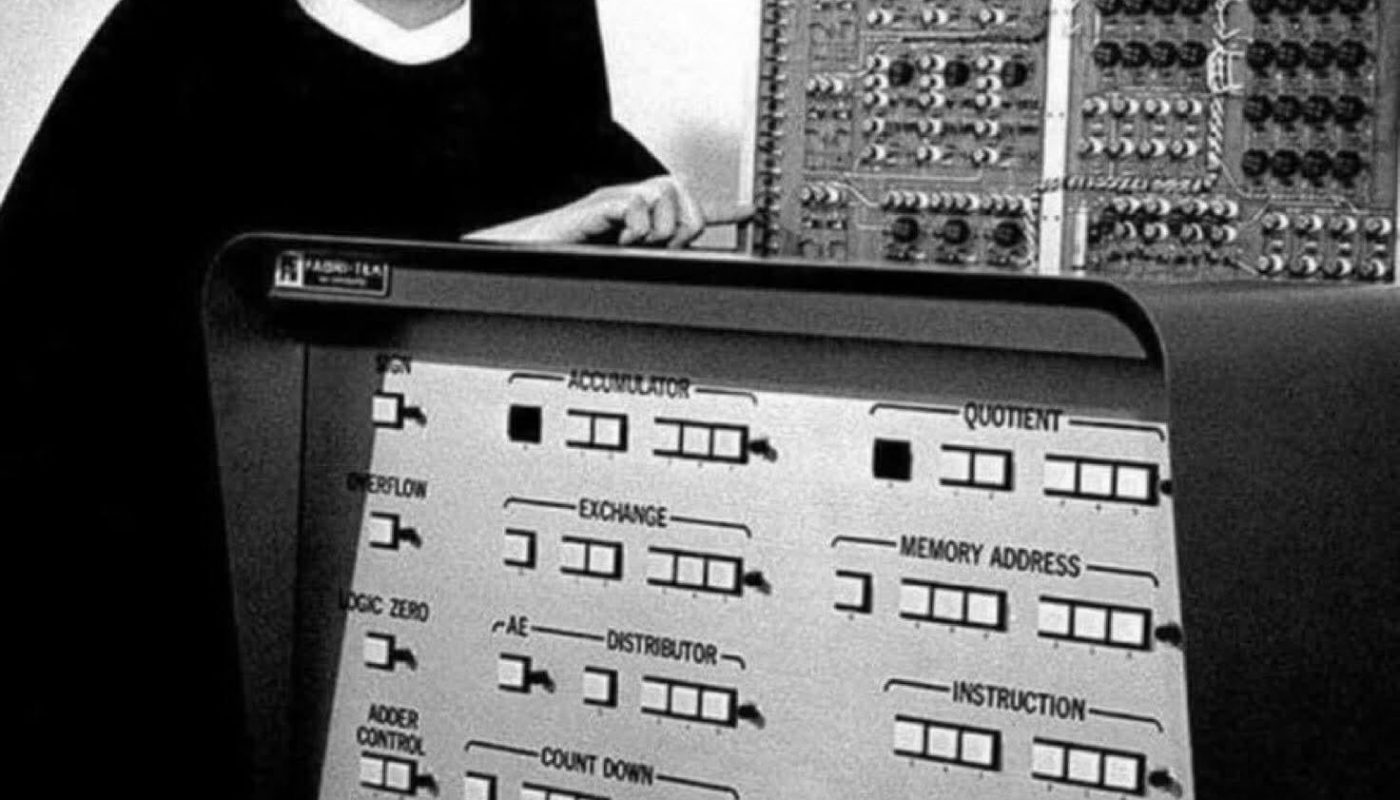
Sister Mary Kenneth Keller, a Catholic nun and pioneering computer scientist, became the first woman in the United States to earn a PhD in computer science in 1965, receiving her doctorate from the University of Wisconsin–Madison.
Title: Sister Mary Kenneth Keller: The First Woman to Earn a PhD in Computer Science & Her Legacy
Meta Description: Discover the inspiring story of Sister Mary Kenneth Keller, the Catholic nun who became the first woman in the U.S. to earn a PhD in computer science in 1965 and pioneered computer education.
Sister Mary Kenneth Keller: The Nun Who Revolutionized Computer Science
In the male-dominated tech landscape of the 1960s, an unlikely trailblazer emerged: Sister Mary Kenneth Keller, a Catholic nun whose relentless curiosity led her to become the first woman in the United States to earn a PhD in computer science in 1965. Her groundbreaking achievement at the University of Wisconsin–Madison shattered glass ceilings and laid the foundation for inclusive education in computing, inspiring generations of women in STEM.
Early Life & Education: A Journey of Faith and Curiosity
Born Evelyn Marie Keller in 1914 in Cleveland, Ohio, Sister Mary Kenneth Keller joined the Sisters of Charity of the Blessed Virgin Mary in 1932 and took her vows in 1940. Her passion for education led her to earn degrees in mathematics and physics before she ventured into the emerging field of computer science—a discipline still in its infancy. Keller’s dual dedication to faith and science fueled her belief that technology could be a force for human empowerment.
A Historic PhD Achievement
In 1965, Keller made history when she graduated from the University of Wisconsin–Madison with her doctorate in computer science. Her dissertation, “Inductive Inference on Computer-Generated Patterns,” explored artificial intelligence algorithms—a visionary topic at a time when computers filled entire rooms. Her work emphasized the potential for machines to aid in problem-solving and education, foreshadowing modern AI advancements.
What set Keller apart was not just her technical brilliance but her unwavering commitment to accessibility. She advocated for democratizing computer education, insisting that everyone—regardless of gender or background—should have the opportunity to learn programming.
Pioneering Contributions to Computer Science
Sister Keller’s legacy extends far beyond her PhD:
- Co-Creation of the BASIC Language: Keller contributed to developing the BASIC programming language, which made coding accessible to non-scientists and revolutionized computing education in schools.
- Championing Women in STEM: As a founding faculty member of Clarke College’s (now Clarke University) computer science department—one of the first in the U.S.—she created a nurturing environment for female students.
- Prophetic Vision for Tech: Keller predicted the rise of personal computers, AI-driven learning, and even the ethical challenges of technology, stating, “We’re having an information explosion… and it’s certainly obvious that information is of no use unless it’s available.”
Legacy: Bridging Science and Humanity
Sister Mary Kenneth Keller passed away in 1985, but her influence endures:
- Educational Equity: She believed computers could democratize education, envisioning online learning decades before the internet.
- Faith-Inspired Innovation: Keller exemplified how science and spirituality could coexist harmoniously, stating that technology could help humanity “foster lasting peace.”
- Recognition: Universities and organizations now honor her through scholarships, awards, and the Keller Computer Center at Clarke University.
Why Sister Keller Matters Today
In an era demanding greater diversity in tech, Keller’s story is a beacon of resilience. She proved that barriers are meant to be broken, whether gender norms or technological limits. As AI and coding dominate modern life, her advocacy for ethical, human-centered technology remains strikingly relevant.
Her journey teaches us that innovation thrives when fueled by curiosity, compassion, and inclusivity—values every tech leader should embrace.
Conclusion
Sister Mary Kenneth Keller was far more than a “first.” She was a visionary who saw computers not merely as machines but as tools to uplift society. Her legacy continues to inspire women in STEM, educators, and innovators worldwide. As we navigate the digital age, her message resonates louder than ever: Technology’s greatest power lies in its ability to serve humanity.
To learn more about other trailblazing women in tech, explore our series on forgotten pioneers of computer science!
Keywords for SEO: Sister Mary Kenneth Keller, first woman PhD computer science, computer science pioneer, women in STEM history, University of Wisconsin–Madison, Catholic nun scientist, BASIC programming language history, Clarke University computer science, women in tech pioneers.