Lat ones my fave
Title: How to Safely Cut Dangerous Snow from an Edge: A Guide to Cornice Removal
Meta Description: Learn step-by-step how to identify and safely remove hazardous snow cornices from ridges, cliffs, or rooftops to prevent avalanches or collapses.
How to Safely Cut Dangerous Snow Cornices from Edges
Cornices—overhanging masses of wind-drifted snow that form on ridges, cliffs, or even rooftops—pose a deadly risk to backcountry travelers, skiers, and homeowners. When unstable, these fragile snow structures can collapse without warning, triggering avalanches or causing falls. Safely removing cornices (“cornice cutting”) minimizes danger, but it requires careful planning and technique. In this guide, you’ll learn how to identify, assess, and safely cut dangerous snow from edges while avoiding catastrophic accidents.
Why Cornice Removal Matters
Cornices are common in alpine environments but can also develop on buildings after heavy snowfall. They:
- Trigger avalanches: A collapsing cornice can fracture the snowpack below, setting off slab avalanches.
- Cause falls: Hikers or skiers stepping onto an unsupported cornice risk plunging through it.
- Damage property: Roof cornices may collapse, injuring people or damaging structures.
Safety First: Pre-Cutting Precautions
Cornice removal is high-risk. Never attempt it without:
- Training: Take an avalanche safety course (e.g., AIARE Level 1) or hire professionals for rooftop work.
- Partner(s): Work with a team—never alone.
- Gear: Use helmets, avalanche safety tools (beacon, probe, shovel), and a rope system for steep terrain.
Assess Risks First:
- Avoid unstable weather (e.g., high winds or rising temps).
- Check the slope below—cutting could trigger slides.
- Look for cracks, sagging, or hollow sounds (“whumpfing”).
Tools for Cutting Snow Cornices
- Snow saw or cord: A lightweight collapsible saw works best for clean cuts.
- Avalanche probe: To test snow stability.
- Rope and harness: For anchoring when working near drop-offs.
- Shovel: To clear debris after cutting.
Avoid explosives or poles unless trained—improper use worsens risks.
Step-by-Step Cornice Removal Technique
1. Plan Your Approach
- Work from a safe anchor point uphill or upwind.
- Stay well back from the edge—never stand directly on the cornice.
2. Cut from a Distance (If Possible)
- Use a saw on a cord or extended pole tool to slice the cornice while staying distant.
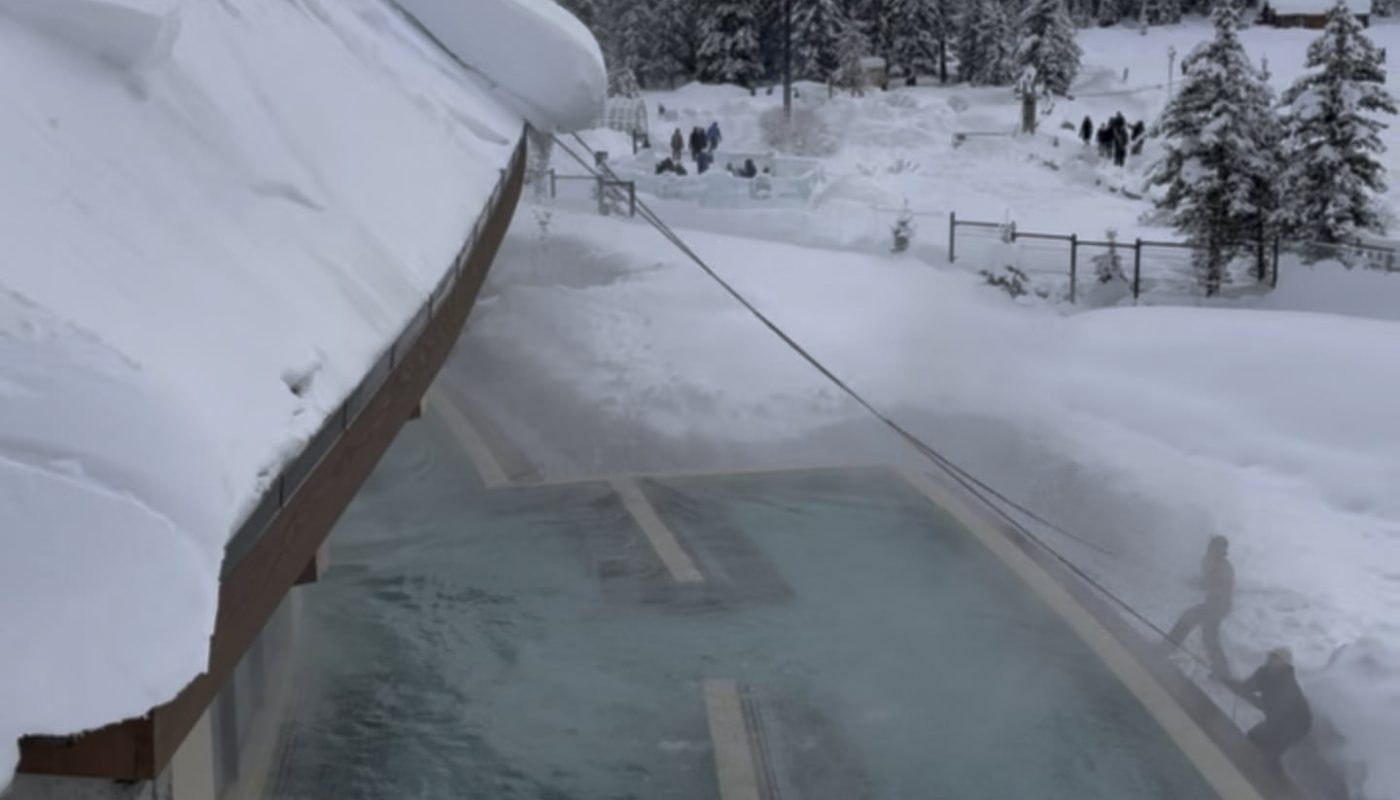
- Make horizontal cuts parallel to the edge, 3–5 feet back from the lip (Image 1).
3. Work in Sections
- Cut small sections (2–4 feet wide) at a time to control collapse size.
- Allow each piece to fall away naturally—don’t force it.
4. Clear Debris
- Shovel away fallen snow to prevent buildup below.
- Check the stability of the remaining edge after each cut.
5. Retreat Uphill
- Move away diagonally after cutting—never turn your back to the edge.
The Aftermath: Assessing the Results
Post-cutting, inspect the area:
- Did the cornice fracture deeper than expected?
- Did the cut snow trigger any slides below?
- Is the remaining snowpack stable?
Call it quits if conditions worsen (e.g., snowfall or warming).
Alternatives to Cutting
If removal feels unsafe, consider:
- Avoidance: Reroute travel plans away from corniced ridges.
- Natural collapse: Wait for wind/melt to weaken the cornice.
- Professional help: For rooftops, hire certified snow-removal services.
Conclusion: Knowledge Saves Lives
Cornice cutting is a last-resort tool for experts. Most fatalities occur when untrained people underestimate the instability of overhanging snow. Prioritize avoidance, carry avalanche gear, and never take unnecessary risks.
For rooftop cornices, always consult a structural engineer or snow-removal specialist—DIY attempts can cause deadly collapses or roof damage.
FAQ: Cutting Dangerous Snow from Edges
Q: Can I kick a cornice to break it off?
A: No! Kicking destabilizes the snow unpredictably. Use a saw or cord for controlled cuts.
Q: How far back should I stand when cutting?
A: At least 2x the cornice’s height (e.g., 20 feet back for a 10-foot cornice).
Q: Can cornices form on trees?
A: Yes—avoid trees with heavy snow loads, as branches can snap.
Q: Are cornices worse in certain conditions?
A: Yes. Wind-loaded slopes and rapid temperature swings increase instability.
Q: What if a cornice collapses while I’m near it?
A: Dive sideways (not downhill) and deploy an airbag if available.
Key Takeaways:
- Cornices are silent killers—assume they’re unstable.
- Cutting requires training, gear, and a safe approach.
- When in doubt, avoid and retreat.
Stay safe—always respect the power of snow.
(Note: For rooftop snow removal, consult local building codes and professionals.)
Target Keywords:
Cornice removal, cutting snow cornices, avalanche safety, snow overhang danger, rooftop snow removal, backcountry skiing hazards.
This guide is for informational purposes only. Always seek professional training before attempting avalanche mitigation.