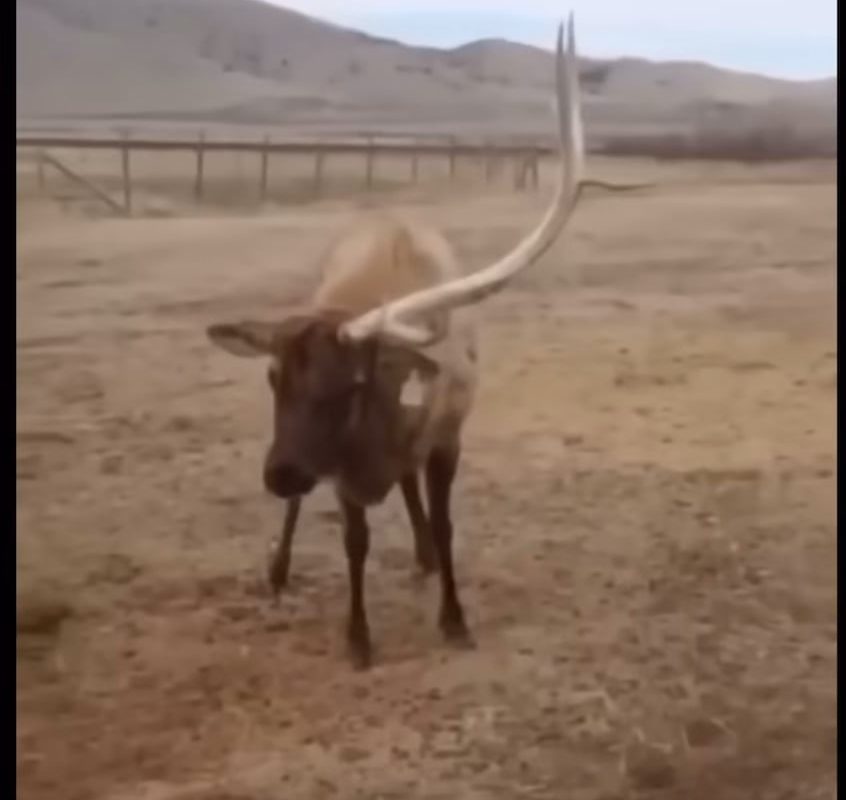
Elk naturally shedding one Antler!
Title: The Natural Wonder: Understanding How and Why Elk Shed Their Antlers
Meta Description: Learn about the fascinating process of elk antler shedding—a natural phenomenon driven by hormones, seasons, and survival. Discover why, when, and how elk lose their antlers, and what it means for the ecosystem.
Introduction
Few sights in the wild capture the imagination like a majestic bull elk with sprawling antlers. Yet every year, these iconic structures are shed naturally, only to regrow again in a cycle as old as the species itself. In this article, we dive into the science and wonder behind elk antler shedding—how it happens, why it’s essential, and what it reveals about nature’s rhythms.
What Are Elk Antlers?
Antlers are bone structures grown by male elk (bulls) as symbols of dominance and vitality. Unlike horns (permanent fixtures on animals like bison), antlers are temporary. They grow rapidly each spring and summer, covered in nutrient-rich velvet before hardening into formidable tools for mating competitions. By winter, their purpose is fulfilled, and the cycle of shedding begins.
Why Do Elk Shed Their Antlers?
The shedding process is tied to hormonal changes triggered by the elk’s biological clock:
- Testosterone Drops: After the fall mating season (rut), testosterone levels in bulls decline sharply.
- Weakening Connection: A layer of tissue called the abscission layer forms at the antler’s base, dissolving the bony connection to the skull.
- Natural Detachment: Antlers loosen and fall off, often painlessly—akin to losing a baby tooth.
This process allows elk to conserve energy during harsh winters and regrow larger antlers the following year.
When Do Elk Shed Their Antlers?
Timing varies by geography and individual health, but most bulls shed between late winter and early spring (February to April). Factors include:
- Daylight (Photoperiod): Shorter days signal hormonal shifts.
- Age & Health: Older, healthier bulls shed earlier; younger bulls may retain antlers longer.
- End of Mating Season: Once breeding is complete, antlers are no longer needed for competition.
The Shedding Process: Step by Step
- Velvet Shedding (Late Summer): Blood-rich velvet peels off as antlers harden.
- Post-Rut Weakening (Winter): Reduced testosterone triggers bone absorption at the base.
- Antler Drop: Antlers fall off one at a time, sometimes within minutes or days apart.
- Regrowth Begins: Within weeks, new antlers start growing, repeating the cycle.
Fun fact: Elk often “shake off” loose antlers while brushing against trees or during playful behavior!
Do Female Elk Shed Antlers?
Female elk (cows) rarely grow antlers. The exception is hormonal imbalances (e.g., high testosterone), but this is extremely uncommon. Bull elk are the primary antler-bearers.
The Role of Shed Antlers in Nature
Shed antlers aren’t wasted—they’re vital to ecosystems:
- Nutrient Source: Rodents, squirrels, and porcupines gnaw on antlers for calcium and minerals.
- Soil Enrichment: Decomposing antlers return nutrients to the earth.
- Human Uses: Shed hunters collect antlers for crafts, decor, and even dog chews (legally, where permitted).
FAQs About Elk Antler Shedding
Q: How long does it take for elk to regrow antlers?
A: Bulls regrow antlers in 4–5 months, adding up to 1 inch per day in summer!
Q: Does antler size indicate age?
A: Not always—nutrition and genetics matter. Prime bulls (ages 5–10) grow the largest racks.
Q: Do all elk shed at the same time?
A: No. Dominant bulls shed earlier, while younger elk may keep antlers into spring.
Q: Is shedding painful?
A: No discomfort is observed; the process is natural and bloodless once the abscission layer forms.
Conclusion
Elk shedding their antlers is a testament to nature’s efficiency—a cycle of renewal that balances survival, reproduction, and ecological harmony. For wildlife enthusiasts, stumbling upon a shed antler is like finding a puzzle piece in the story of wilderness. By understanding this process, we gain deeper appreciation for the resilience and adaptability of North America’s most iconic ungulate.
Call to Action
Planning a shed-hunting adventure? Always follow local regulations and respect wildlife habitats. Share your own elk antler findings or photos with #ElkSheddingSeason!
Target Keywords:
- Elk shedding antler
- Why do elk lose their antlers
- Antler growth cycle
- When do elk shed antlers
- Elk antler facts
Optimization Tips:
- Use headers (H2/H3) to break up content for readability.
- Link to related topics (e.g., “elk mating season” or “wildlife conservation”).
- Add authoritative sources like National Park Service or wildlife biology studies.