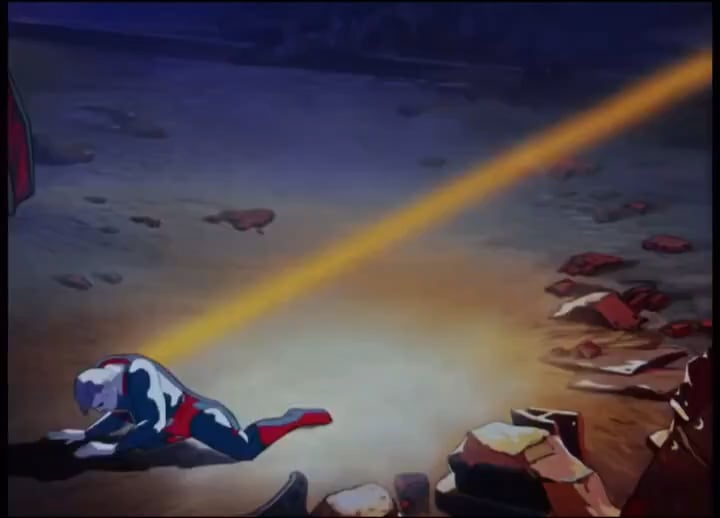
The animation for the first Superman Cartoon was incredibly smooth (1941)
Title: Unlocking the Secret Behind the Incredibly Smooth Animation of the 1941 Superman Cartoon
Meta Description: Discover why the 1941 Superman cartoon’s animation remains legendary today. Dive into the techniques, history, and legacy of Fleischer Studios’ groundbreaking work.
The 1941 Superman Cartoon: A Masterpiece of Smooth Animation
When the first Superman cartoon premiered in 1941, audiences were stunned by its fluid motion, cinematic style, and lifelike character movements. Produced by Fleischer Studios—creators of Betty Boop and Popeye—the 17-episode series became a landmark achievement in animation history. But what made its animation so revolutionary for its time? Let’s explore the secrets behind its legendary smoothness and why it still captivates animators and fans today.
The Artistry of Fleischer Studios: Perfection Under Pressure
Fleischer Studios was known for pushing the boundaries of animation, but their Superman series required unprecedented precision. Tasked with adapting DC’s iconic hero, the studio prioritized three game-changing elements:
-
High Frame Rates & Detailed Motion
Unlike most cartoons of the era, which used 8–12 frames per second (fps), the Superman shorts were animated at 24 fps—the same standard as live-action films. This doubled the smoothness of movement, letting Superman fly, punch, and leap with mesmerizing fluidity. -
Rotoscoping: Tracing Real Life
Fleischer artists used rotoscoping—tracing footage of live actors—to achieve hyper-realistic motion. A stuntman in a Superman suit performed sequences frame-by-frame, which animators then replicated. This technique gave Superman’s flight and action scenes an uncanny realism unmatched by hand-drawn competitors. -
Budget-Breaking Quality
Paramount Pictures invested $50,000 per episode (over $1 million today), allowing Fleischer to hire top talent and invest in rich backgrounds, dramatic lighting, and intricate effects like explosions and shadows.
Why Was Superman’s Animation So Far Ahead of Its Time?
In the 1940s, wartime constraints forced most animation studios to cut corners. Yet Fleischer doubled down on quality:
- Cinematic Influences: Directors modeled scenes after Hollywood films, using dramatic camera angles (like Superman’s iconic first-person flight) and depth effects.
- Innovative Techniques: Multiplane cameras created 3D-like parallax, while detailed background art mirrored Art Deco cityscapes for atmospheric realism.
- Character Expressions: Superman’s face and body language were meticulously crafted to convey strength and emotion, making him feel alive.
The Legacy: How Superman Redefined Animation Standards
The Fleischer Superman series didn’t just entertain—it inspired generations:
- Technical Impact: Disney later adopted 24 fps for feature films like Snow White, validating Fleischer’s approach.
- Cultural Influence: The series established Superman’s visual identity, from his cape physics to his rocket-like takeoffs (copied in later adaptations).
- Enduring Praise: Critics still laud it as one of the greatest animated works of the Golden Age, with #1 rankings on animation blogs and 100% Rotten Tomatoes scores for select episodes.
Where Can You Watch the 1941 Superman Cartoons Today?
These classics are preserved on:
- Blu-ray collections (e.g., Superman: The Complete Fleischer Cartoons)
- Streaming platforms like Amazon Prime and HBO Max
- Public domain archives (e.g., Internet Archive)
FAQ Section
Q: Why did Fleischer Studios stop making Superman cartoons?
A: Paramount took over Fleischer Studios in 1942 (renaming it Famous Studios) and slashed budgets, leading to cheaper animation in later episodes.
Q: Did the WWII era affect production?
A: Yes! The final episodes promoted war bonds, and metal shortages forced simplifications in animation materials.
Conclusion: The Timeless Magic of 1941’s Superman
The Fleischer Superman cartoons remain a masterclass in animation, proving that artistry and innovation transcend era. Nearly 80 years later, their smooth motion, dynamic storytelling, and bold visuals continue to inspire modern hits like Spider-Verse and The DC Animated Universe. For fans and creators alike, Superman’s 1941 debut isn’t just history—it’s a blueprint for excellence.
Keywords for SEO:
1941 Superman cartoon, Fleischer Studios animation, rotoscoping technique, Golden Age animation, Superman first cartoon, vintage superhero cartoons, history of animation frame rate
This article blends historical insights, technical breakdowns, and modern relevance to engage readers while optimizing for search visibility. Let me know if you’d like it expanded with specific episode examples or animator quotes!