Vc: @zakshineman
Title: The Future of Interactive Displays: 3D Projection Mapping on Tables Explained
Introduction
Imagine sitting at a table where the surface transforms into a living canvas—glowing galaxies swirl beneath your fingertips, architectural models rise like holograms, or animated characters dance across your coffee cup. This isn’t science fiction; it’s the groundbreaking innovation of 3D projection mapping on tables, a fusion of art, technology, and storytelling. In this article, we’ll explore how creative minds are using projection mapping to turn ordinary surfaces into extraordinary experiences, and why this trend is reshaping entertainment, education, and design.
What Is 3D Projection Mapping on a Table?
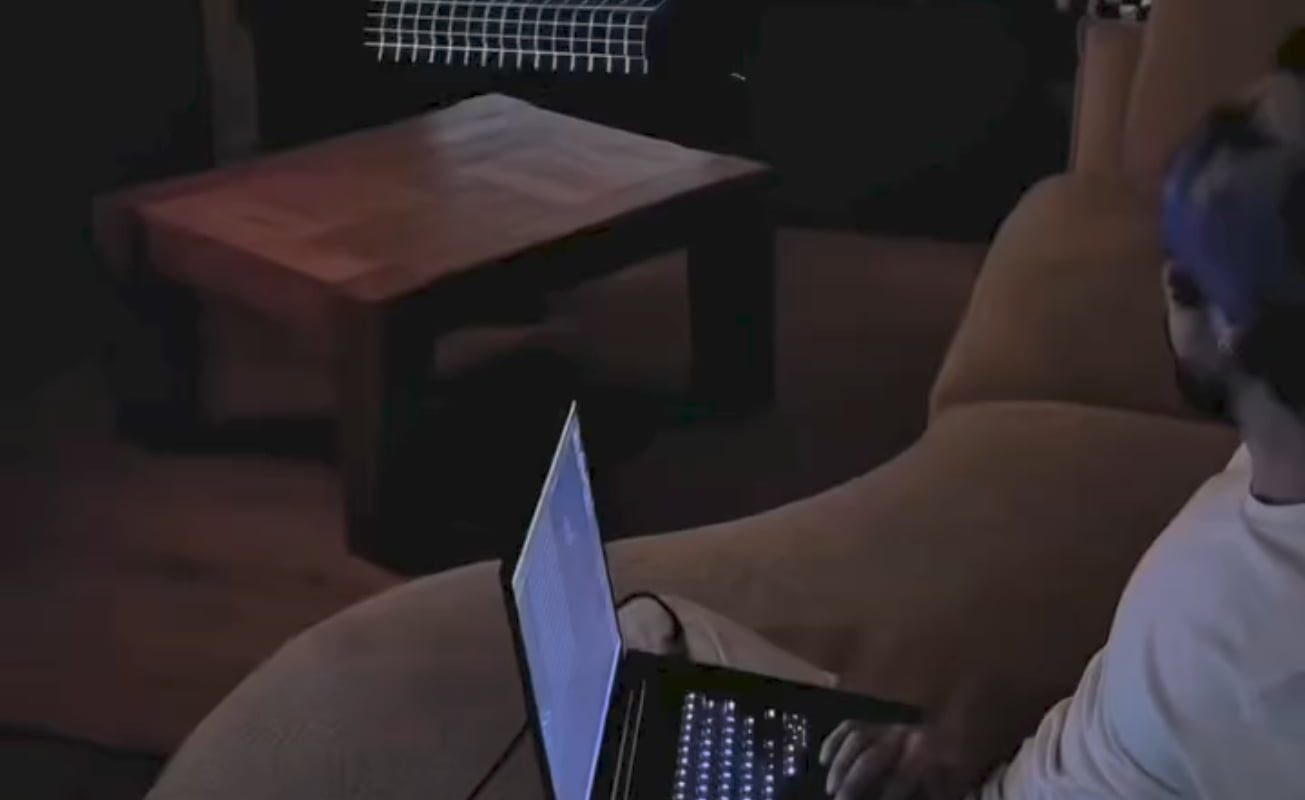
3D projection mapping is a technique that uses specialized software and projectors to cast dynamic visuals onto physical objects, creating illusions of movement, depth, and transformation. When applied to tabletops, it transforms flat surfaces into immersive 3D environments that respond to touch, motion, or pre-programmed narratives.
Unlike traditional screens, tabletop projection mapping leverages the entire surface as an interactive stage. Artists and technologists use precise calibration to align projections with the table’s edges, objects, or even augmented reality markers, resulting in seamless visuals that defy expectations.
How Does It Work?
- Digital Content Creation: Artists design 3D animations, simulations, or interactive scenes using tools like Blender, Unity, or Adobe After Effects.
- Spatial Mapping: Software like MadMapper or Resolume maps the table’s dimensions, ensuring visuals align perfectly with its shape.
- Projection Setup: High-lumen projectors mounted above or below the table beam the content onto the surface.
- Interactivity: Sensors (e.g., infrared cameras, RFID tags, or motion detectors) enable real-time interaction—touching the table might trigger ripples, explosions, or data visualizations.
This synergy turns tables into multi-sensory storytelling platforms—ideal for museums, events, retail, or even home entertainment.
Innovative Applications
From experimental art to practical solutions, 3D table projection mapping is revolutionizing industries:
- Gaming & Entertainment: Imagine playing a board game where dragons burst from the table or puzzles shift in real-time.
- Education: Teachers visualize complex concepts—like planetary orbits or chemical reactions—through collaborative, hands-on displays.
- Retail & Dining: Restaurants project animated menus onto tables, while retailers turn product displays into interactive journeys.
- Architecture & Design: Architects present 3D building models “built” directly on a table, allowing clients to explore designs from every angle.
Real-World Example: At the 2023 Milan Design Week, artist Luca Campos created “Echoes of Nature”—a tabletop installation where touching the surface sprouted digital forests and flocks of birds taking flight.
Why Is This Trend Taking Off?
- Accessibility: Affordable projectors and open-source mapping software have democratized the tech.
- Engagement: Studies show interactive displays boost user attention by 60% compared to static media.
- Versatility: Tables are everywhere—conference rooms, classrooms, living rooms—making them ideal canvases.
- Storytelling: Brands use 3D projections to craft unforgettable narratives, embedding marketing messages in sensory experiences.
Challenges and Solutions
While stunning, tabletop projection mapping faces hurdles:
- Ambient Light: Bright rooms wash out projections. Solution: Use ultra-bright projectors (5,000+ lumens) or control lighting.
- Calibration: Complex surfaces require precision. Solution: Auto-calibration tools powered by AI.
- Cost: High-end setups can be expensive. Solution: DIY kits start under $500 (e.g., Raspberry Pi + mini-projectors).
The Future of Tabletop Interaction
As AR glasses and AI advance, 3D table projections will merge with mixed reality, enabling virtual objects to “interact” with physical items. Startups like Spatial Labs are already beta-testing tables where holographic chefs teach cooking or virtual cities emerge during business meetings.
How to Get Started with DIY Table Mapping
- Tools You’ll Need: A projector, mapping software, a flat table, and creativity.
- Tutorials: Platforms like YouTube offer step-by-step guides for beginners.
- Inspiration: Follow innovators like Kimchi and Chips or NUIT BLANCHE TOKYO on Instagram.
Conclusion
3D projection mapping on tables isn’t just a tech novelty—it’s a gateway to reimagining how we interact with the physical world. Whether for art, education, or business, this transformative medium blurs the line between reality and imagination. As tools evolve and creators push boundaries, expect tables everywhere to become portals to new dimensions.
Ready to see it in action? Search for “3D projection mapping table demo” on YouTube—your next brainstorm session might never be the same.
SEO Keywords:
- 3D projection mapping table
- Interactive tabletop displays
- Augmented reality table
- Projection mapping technology
- Immersive table experiences
- DIY projection mapping techniques
Meta Description:
Discover how 3D projection mapping on tables is transforming ordinary surfaces into interactive wonders. Explore applications, DIY tips, and the future of immersive tech in this guide.
(Word count: 750)
Call to Action:
Loved this article? Share it with a friend or follow us for more insights on the future of tech! 💡