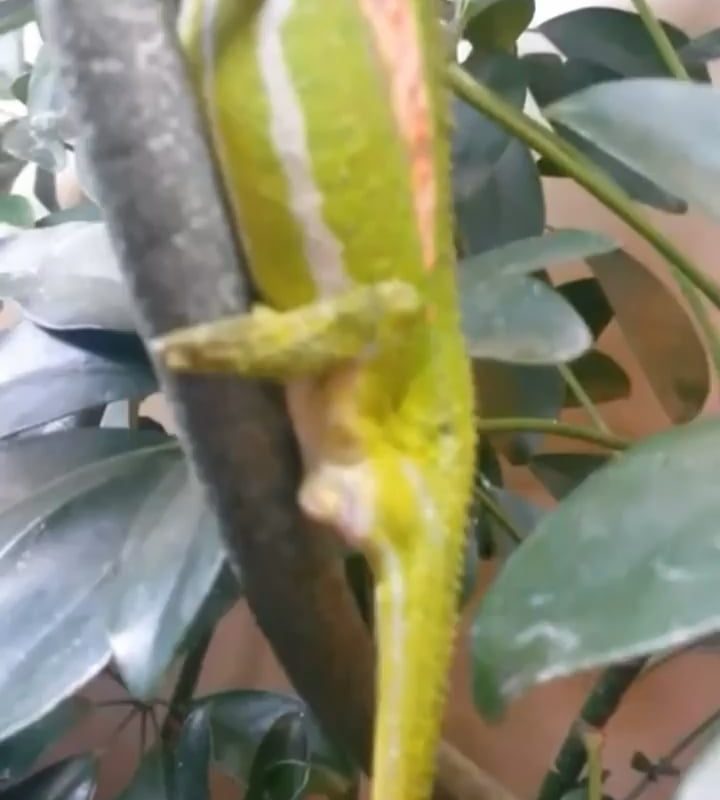
A lizard giving birth instead of laying eggs
Title: Beyond Egg-Laying: The Fascinating World of Lizards That Give Live Birth
Introduction
When we think of lizards, images of sunbathing reptiles guarding clutches of leathery eggs often come to mind. But nature loves surprises! Did you know some lizards bypass egg-laying altogether and give live birth instead? This phenomenon, known as viviparity, challenges common perceptions of reptile reproduction and reveals an extraordinary evolutionary adaptation. In this article, we’ll explore how and why certain lizard species deliver live young, which lizards do this, and the science behind this incredible reproductive strategy.
1. Lizard Reproduction 101: Eggs vs. Live Birth
Most lizards reproduce through oviparity (egg-laying). Females deposit eggs in warm, protected environments, and the embryos develop externally. However, roughly 20% of lizard species—including skinks, chameleons, and certain geckos—are viviparous, meaning they retain eggs inside their bodies until live young are born. Some even develop placenta-like structures to nourish their offspring, blurring the line between reptiles and mammals!
2. Why Do Some Lizards “Give Birth” Instead?
Viviparity isn’t random—it’s a survival superpower. Scientists believe live birth evolved in lizards living in challenging environments, such as:
- Cold climates (e.g., high altitudes): Keeping eggs warm internally ensures embryo survival.
- Unpredictable habitats: Protecting young from predators or harsh weather increases offspring survival rates.
- Resource scarcity: Mothers can better regulate nutrients for developing embryos versus leaving eggs vulnerable.
This adaptation also allows for longer gestation periods, giving babies a head start in life.
3. Meet the Viviparous Lizards: 5 Species That Defy the Norm
Here are some lizards that ditch eggshells for live births:
-
Common Lizard (Zootoca vivipara)
- Found across Europe and Asia, this hardy reptile thrives in cold regions by giving birth to 3–10 live young.
-
Blue-Tongued Skink (Tiliqua spp.)
- Australia’s iconic skinks nurture 10–15 babies internally for 4–5 months before live delivery.
-
Jackson’s Chameleon (Trioceros jacksonii)
- Unlike egg-laying chameleons, this East African species births 8–30 live offspring after a 6–9 month gestation.
-
Shingleback Skink (Tiliqua rugosa)
- These Australian slowpigs have only 1–2 large babies annually, investing heavily in each.
-
New Zealand Geckos (Hoplodactylus spp.)
- Some geckos here forgo eggs entirely, delivering twins after a year-long pregnancy!
4. How Viviparous Lizards Nurture Their Young
Viviparous lizards use two primary strategies:
- Placental Nourishment: Species like the Mabuya skink form a placenta to transfer nutrients and oxygen, similar to mammals.
- Lechithotrophy: Embryos rely on yolk sacs internally, with minimal maternal input (e.g., common lizard).
After birth, newborns are fully independent—no parenting required!
5. The Evolutionary Edge of Live Birth
Research shows viviparous lizards often outperform egg-layers in:
- Survival rates: Fewer predators target vulnerable eggs.
- Climate resilience: Mothers buffer embryos from temperature extremes.
- Reproductive flexibility: Adjusting gestation length based on environmental conditions.
However, the trade-off is higher energy costs for the mother.
6. Captivity Considerations: Caring for Live-Bearing Lizards
If you keep viviparous lizards as pets, note:
- Gestation signs: Look for weight gain and reduced appetite.
- Stress management: Avoid handling pregnant females to prevent stillbirths.
- Post-birth care: Separate adults from newborns to avoid cannibalism (common in skinks).
FAQs About Lizards Giving Birth
Q: Can a lizard switch between laying eggs and live birth?
A: No—this is a genetic trait fixed within species.
Q: Is viviparity common in desert lizards?
A: Rarely! Most desert lizards lay eggs to avoid overheating embryos internally.
Q: How can I tell if a lizard is pregnant?
A: Look for a swollen abdomen, visible fetal movement, or behavioral changes (e.g., basking more).
Q: Do viviparous lizards get “maternal instincts”?
A: No—they show no post-birth care. Babies fend for themselves immediately.
Conclusion
Live-bearing lizards shatter the stereotype of reptiles as strictly egg-layers. From frost-resistant common lizards to nutrient-sharing skinks, these species highlight nature’s ingenuity in adapting to ecological challenges. Whether you’re a reptile enthusiast, student, or curious reader, understanding viviparity offers a thrilling glimpse into the diversity of life on Earth. Next time you spot a lizard basking in the sun, ponder this: it might just be a soon-to-be parent!
Target Keywords:
- Lizards that give live birth
- Viviparous lizards
- Lizard reproduction
- Live-bearing reptiles
- Oviparous vs viviparous lizards
Optimization Tips:
- Use headers and bullet points for readability.
- Link to related articles (e.g., “How Do Lizards Adapt to Cold Climates?”).
- Include high-intent keywords in FAQs and subheadings.
- Add meta description: “Discover why some lizards give live birth instead of laying eggs. Explore species, evolution, and care tips for viviparous reptiles in this guide.”
Engage readers by encouraging shares or questions in the comments! 🦎✨