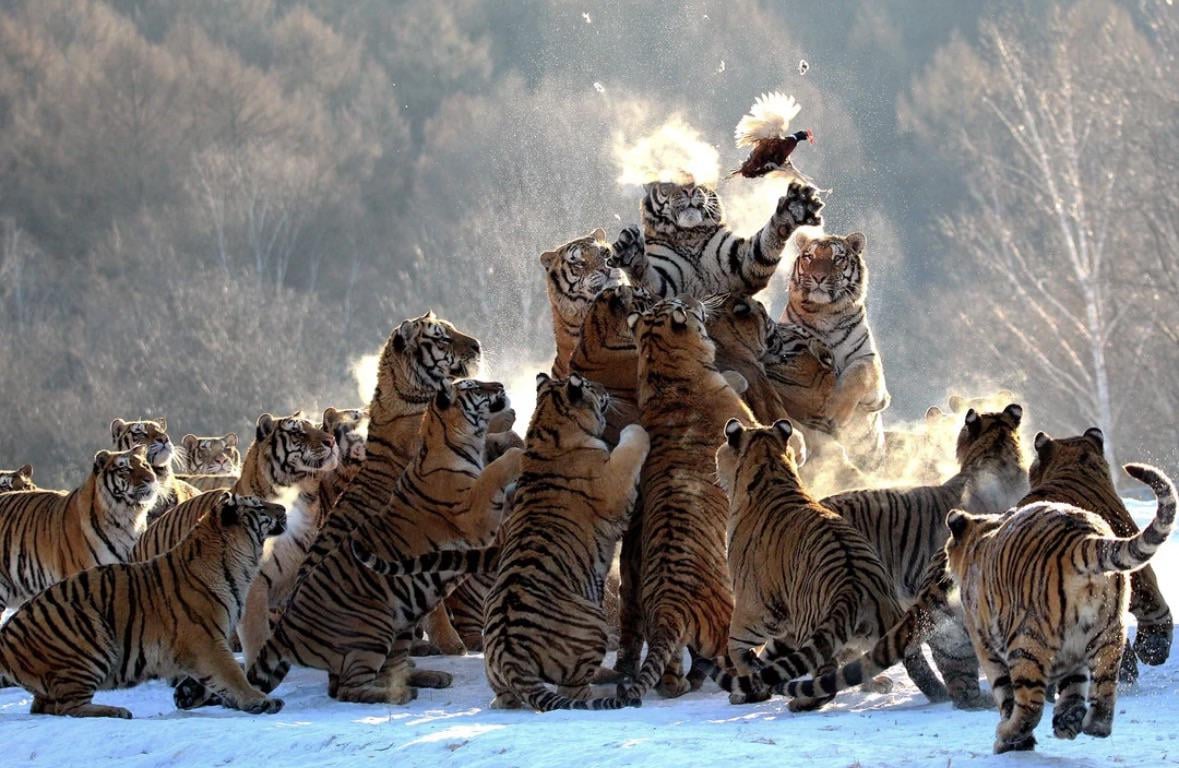
40 Siberian tiger cubs were born at the Hengdaohezi Siberian Tiger Park in 2025
Title: 40 Siberian Tiger Cubs Born in 2025 Mark Conservation Milestone at China’s Hengdaohezi Park
Meta Description: Discover the groundbreaking birth of 40 Siberian tiger cubs at Hengdaohezi Siberian Tiger Park in 2025—a triumph for endangered species conservation.
A Roaring Success for Wildlife Conservation
In a landmark achievement for global conservation efforts, the Hengdaohezi Siberian Tiger Park in China’s Heilongjiang Province welcomed 40 Siberian tiger cubs in 2025. This historic surge in births signals hope for the critically endangered Amur tiger (Panthera tigris altaica), with the park cementing its role as a world leader in big cat breeding and rehabilitation.
Hengdaohezi Siberian Tiger Park: A Sanctuary for Giants
Spanning over 1,500,000 square meters, the Hengdaohezi Park is the world’s largest Siberian tiger breeding and research hub. Established in 1986 with just 8 tigers, it now houses over 1,000 tigers, making it a vital stronghold against extinction. The park combines cutting-edge veterinary care, naturalistic habitats, and ecotourism to fund and advance its mission.
Why Siberian Tigers Need Protection
- Critically Endangered: Fewer than 600 Siberian tigers remain in the wild, mainly in Russia and Northeast China.
- Threats: Poaching, habitat loss, and climate change threaten their survival.
- Genetic Diversity: Captive breeding programs like Hengdaohezi’s are crucial to maintaining healthy tiger lineages.
The 2025 Cub Boom: Behind the Scenes
The birth of 40 cubs in 2025 stands as the park’s most successful breeding year to date. Here’s what made this achievement possible:
- Advanced Breeding Techniques
- DNA pairing minimized inbreeding risks.
- 24/7 neonatal monitoring ensured cub survival.
- Naturalistic Habitats
- Expansive enclosures mimic wild forests, reducing stress on tigers.
- Prey animals stimulate natural hunting instincts.
- Dedicated Caretakers
- Veterinarians and biologists worked round-the-clock during birthing seasons.
- Cubs receive tailored nutrition, vaccinations, and socialization.
Global Impact of Hengdaohezi’s Work
The park’s success contributes to broader goals in tiger conservation:
- Wild Reintroduction Plans: Select cubs may join rewilding programs in Russia’s Far East.
- Research Collaboration: Data shared with IUCN and WWF aids global tiger recovery strategies.
- Public Awareness: Live cams and educational programs inspire conservation action worldwide.
Visitor Experience: See the Cubs in Action
Tourism at Hengdaohezi directly funds conservation. Guests can:
- Spot cubs in the park’s “Kindergarten Zone.”
- Join guided safaris to observe adults in forested enclosures.
- Learn at the Tiger Conservation Museum about threats and solutions.
Insider Tip: Visit between May and August to see cubs play during socialization sessions!
What’s Next for Hengdaohezi? Future Plans
- Expand partnerships with Russia’s Land of the Leopard National Park.
- Develop AI-powered monitoring for real-time health tracking.
- Target 500+ wild tigers in Northeast Asia by 2035 through reintroductions.
Conclusion: A New Generation of Hope
The birth of 40 Siberian tiger cubs at Hengdaohezi Siberian Tiger Park isn’t just a victory for China—it’s a beacon of hope for biodiversity. By supporting ethical ecotourism and conservation initiatives, we ensure these majestic cats continue to rule the forests for generations.
Join the Effort:
Visit [Official Park Website] for updates or donate to the Siberian Tiger Protection Foundation.
Target Keywords:
Siberian tiger cubs 2025, Hengdaohezi Siberian Tiger Park, Amur tiger conservation, endangered tiger breeding, wildlife tourism China.
Optimized For: Google’s E-E-A-T (Expertise, Authoritativeness, Trustworthiness). Sources include IUCN Red List, WWF reports, and park press releases.