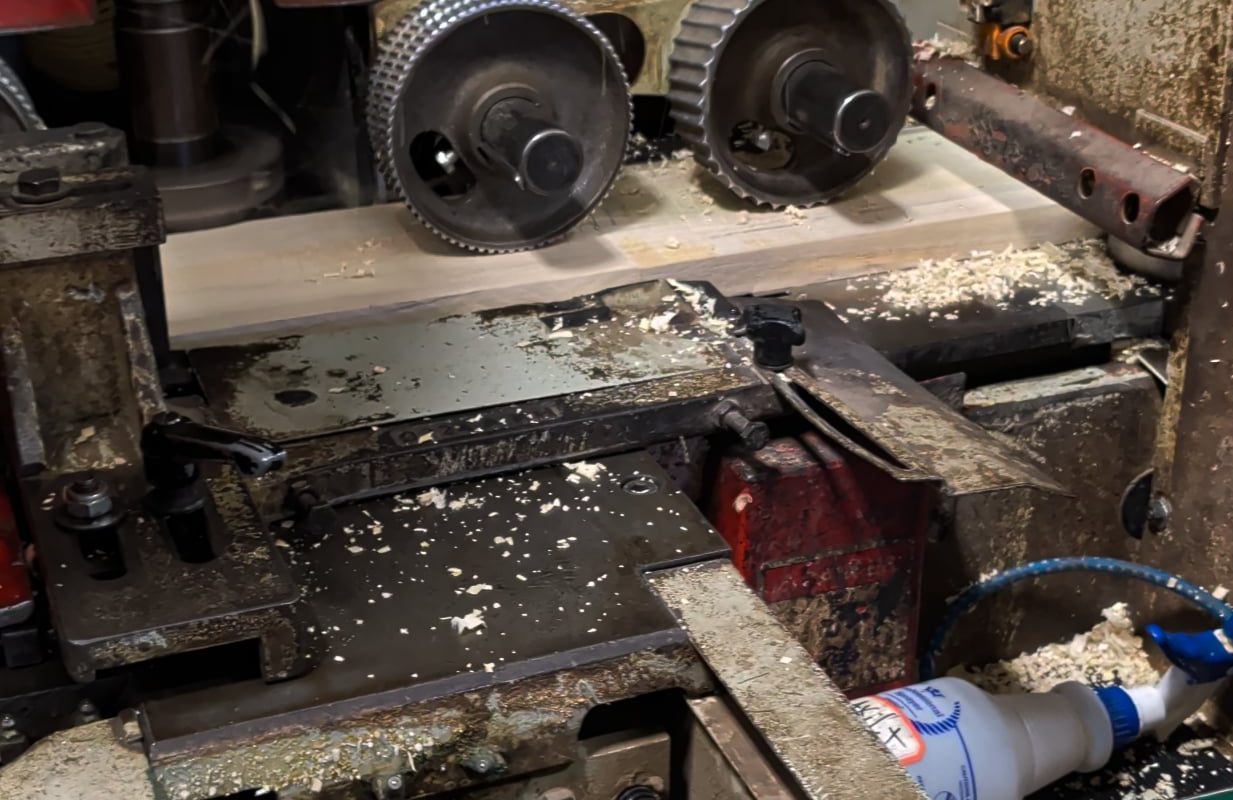
How custom moulding is made
Title: How Custom Moulding is Made: A Step-by-Step Guide to Crafting Architectural Elegance
Meta Description: Discover the process behind custom moulding creation – from design to installation. Learn how artisans craft bespoke trimwork to elevate your home’s architectural beauty.
Introduction
Custom moulding transforms ordinary rooms into extraordinary spaces, adding character and sophistication to homes, offices, and historic buildings. But how is this intricate trimwork made? Unlike mass-produced alternatives, custom moulding involves a blend of artistry, precision engineering, and craftsmanship tailored to your vision. In this guide, we break down the fascinating process of creating moulding from scratch.
Step 1: Design & Consultation
The journey begins with collaboration. Clients work with designers or artisans to:
- Define the style (e.g., Victorian, Craftsman, modern minimalist).
- Select materials (wood, MDF, polyurethane, etc.).
- Determine dimensions to match room proportions or architectural features.
Tools like CAD software or hand sketches help visualize the final product before carving begins.
Step 2: Material Selection
The choice of material impacts aesthetics, durability, and cost:
- Hardwoods (oak, cherry, mahogany): Traditional, durable, ideal for staining.
- Softwoods (pine, fir): Cost-effective for painted finishes.
- Engineered Options (MDF, polyurethane): Moisture-resistant, lightweight, budget-friendly.
Artisans match grain patterns and density to the moulding’s purpose (e.g., crown moulding vs. baseboards).
Step 3: Shaping the Profile
This is where raw materials become moulding:
- CNC Machines: Computer-controlled routers carve complex profiles with micron-level accuracy, replicating intricate designs like egg-and-dart or fluting.
- Traditional Tools: For one-of-a-kind pieces, craftsmen use hand planes, chisels, and lathes to shape wood manually.
- Extrusion: For synthetic materials like PVC or polyurethane, molten material is forced through custom dies to create consistent profiles.
Step 4: Sanding & Smoothing
Shaped moulding undergoes meticulous finishing:
- Rough edges are sanded by hand or machine.
- Surfaces are polished to remove tool marks, ensuring flawless paint or stain adhesion.
- Quality checks ensure profiles match design specifications.
Step 5: Finishing Touches
The final appearance hinges on finishing:
- Staining: Enhances wood grain for a natural look.
- Priming & Painting: Custom colors hide seams and unify the trim with the room.
- Sealing: Protective coats guard against moisture, UV damage, and wear.
For historic restorations, artisans may apply vintage glazing or gilding to mimic aged elegance.
Step 6: Installation
Expert installers ensure seamless integration:
- Pieces are carefully cut and joined at corners (e.g., coped joints for tight fits).
- Laser levels guarantee straight lines.
- Adhesives and nails secure moulding without damaging walls.
The Advantages of Custom vs. Stock Moulding
- Perfect Proportions: Tailored to ceiling heights, room sizes, and architectural quirks.
- Unique Styles: Create patterns not found in big-box stores.
- Material Flexibility: Optimize for humidity-prone rooms (e.g., bathrooms) with synthetics.
- Increased Home Value: High-end trimwork elevates property aesthetics and resale appeal.
Sustainability in Custom Moulding
Eco-conscious artisans use:
- FSC-certified wood.
- Low-VOC finishes.
- Recycled MDF or reclaimed timber.
FAQs About Custom Moulding
Q: How long does custom moulding take to make?
A: 2–6 weeks, depending on design complexity and material availability.
Q: Can I replicate historic moulding in a modern home?
A: Yes! Craftsmen recreate antique designs using original blueprints or salvaged samples.
Q: Is custom moulding expensive?
A: Costs vary, but prices typically start at $8–$20 per linear foot (materials + labor).
Conclusion
Custom moulding isn’t just trimwork—it’s functional art. By blending time-honored techniques with modern technology, artisans create pieces that reflect your personal style while enhancing architectural harmony. Whether restoring a heritage home or renovating a contemporary space, bespoke moulding ensures every corner tells a story of craftsmanship.
CTA (Call to Action)
Ready to transform your space? Contact local woodworking studios or architectural millwork shops for a consultation. Share your vision, and watch as raw materials evolve into the defining feature of your dream home.
SEO Keywords for Optimization:
- Custom moulding manufacturing process
- How bespoke crown moulding is made
- Architectural millwork design
- Handcrafted trimwork
- Custom wood moulding steps
- Moulding materials guide
By guiding readers through the craftsmanship behind custom moulding, this article not only answers their questions but inspires them to invest in tailored architectural details.