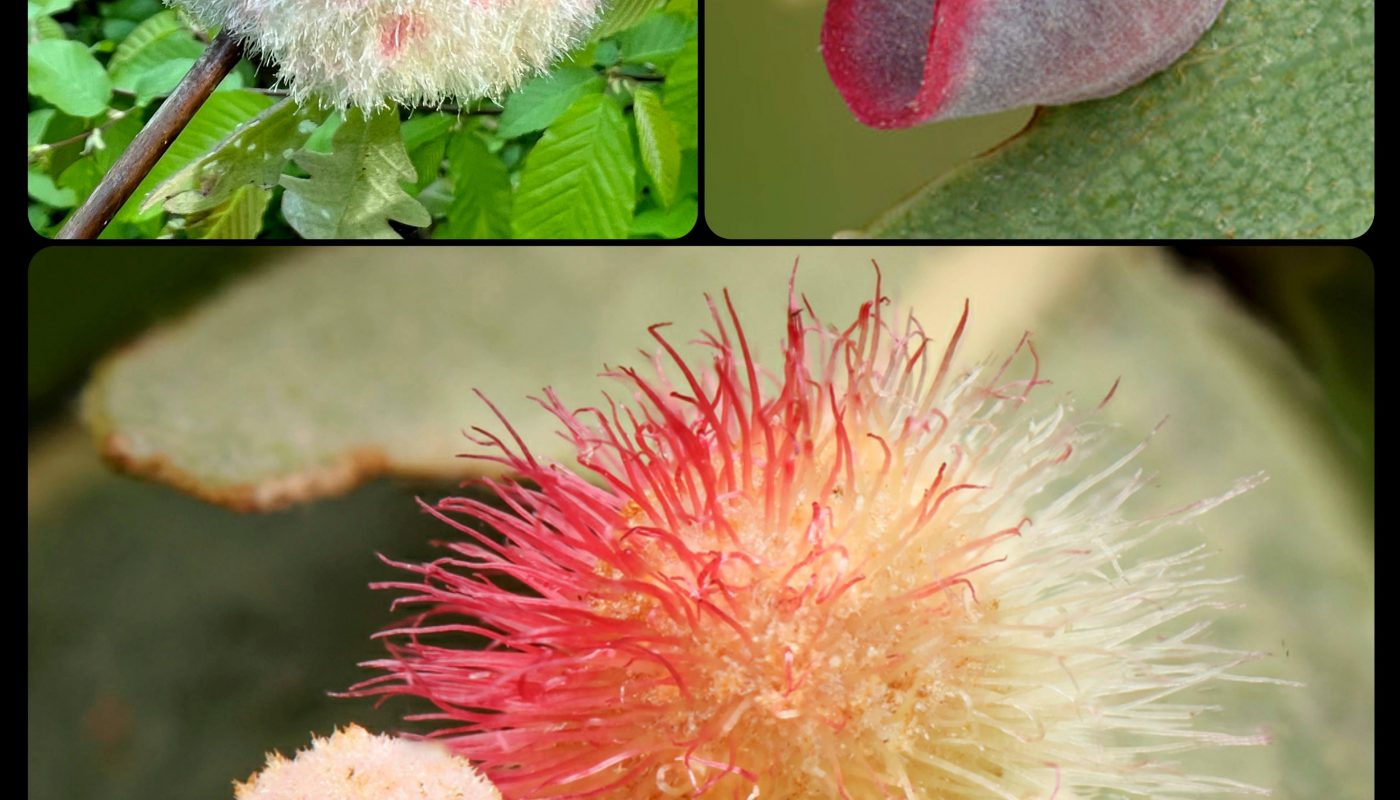
Gall wasps produce a chemical that triggers abnormal cell growth in plants, causing the plants to grow these strange-looking structures around the wasp’s larvae; the structures then provide both shelter and sustenance for the larvae until they reach maturity
Title: Gall Wasps: The Chemical Architects Behind Nature’s Most Fascinating Plant Growths
Meta Description: Discover how gall wasps manipulate plants using chemicals to create protective nutrient-rich structures for their larvae. Explore the science, lifecycle, and ecological impact of this unique biological phenomenon.
Introduction: The Wasp That Engineered a Plant Nursery
In the hidden corners of forests and gardens, a tiny insect—the gall wasp—unleashes a remarkable feat of biochemical engineering. Using specialized chemicals, these wasps force plants to grow bizarre, tumor-like structures called galls. These galls act as both fortress and food pantry for their developing larvae. This article dives into the science behind this extraordinary parasitic strategy and its ripple effects in ecosystems.
What Are Gall Wasps?
Gall wasps (family Cynipidae) are small, non-stinging insects known for their ability to hijack plant biology. Females lay eggs into plant tissues, often in stems, leaves, or buds, triggering the formation of galls—swollen, knobby growths that look nothing like the host plant. Over 1,300 species exist worldwide, targeting trees like oaks, roses, and willows.
The Gall Wasp Life Cycle: A Plant’s Unwanted Tenants
- Egg-Laying: A female wasp deposits eggs into a plant using an ovipositor, injecting a cocktail of chemicals along with them.
- Gall Formation: Within days, the plant responds by growing abnormal tissue around the eggs, forming a gall.
- Larval Development: The larvae hatch inside the gall, feeding on its nutrient-rich inner tissue.
- Emergence: Adult wasps chew their way out once mature, repeating the cycle.
Galls vary wildly in shape—some resemble spiky marbles, fuzzy stars, or woody spheres—each species crafting a unique design.
The Chemical Trickery: How Gall Wasps Hijack Plant Cells
The secret to gall formation lies in the wasp’s ability to reprogram plant cells at a molecular level. Researchers believe the female injects:
- Hormone-like substances (e.g., auxins or cytokinins) that disrupt normal cell division.
- Proteins or enzymes that silence plant defense genes.
This chemical payload forces the plant to redirect nutrients and create a customized microhabitat. The gall’s inner walls become rich in sugars and proteins, sustaining the larvae without killing the host plant—a delicate balance of exploitation.
Galls: Shelter, Food, and Survival
- Protection: Galls shield larvae from predators, harsh weather, and insecticides.
- Nutrition: The inner tissue provides an all-in-one food source.
- Oxygen Supply: Some galls develop porous structures to allow airflow.
Remarkably, the plant’s “sacrifice” often doesn’t endanger its survival, making this a scalable evolutionary strategy.
A Symbiotic Relationship… or Parasitic?
Gall wasps are technically parasites, but the interaction isn’t entirely one-sided:
- Plant Costs: Energy diverted to gall growth weakens the plant, reducing seed production or stunting growth.
- Ecosystem Benefits: Galls attract predators (e.g., birds) and serve as habitats for other insects, forming mini food webs.
In rare cases, plants may even co-evolve defenses, like thicker bark or chemical deterrents.
Science & Human Applications
Studying gall wasps unlocks insights into:
- Plant Hormones: How chemicals manipulate growth (useful for agriculture).
- Biological Control: Could gall-inducing agents combat invasive plants?
- Medical Analogies: Abnormal cell growth in galls parallels tumor formation in humans.
Conclusion: Nature’s Ingenious Manipulators
Gall wasps epitomize evolution’s creativity, using biochemistry to turn plants into living nurseries. While they challenge our perception of parasites, their role underscores nature’s complexity—where exploitation and adaptation intertwine. Next time you spot a quirky growth on an oak leaf, remember: inside could lie a wasp’s chemical masterpiece.
FAQs about Gall Wasps & Galls
Q: Do galls harm the plant permanently?
A: Rarely—unless heavily infested, plants usually survive and regenerate.
Q: Can I remove galls from my garden plants?
A: It’s often unnecessary, as they’re harmless curiosities. Prune if aesthetics are a priority.
Q: Are gall wasps dangerous to humans?
A: No—they don’t sting or bite.
Q: What eats gall wasps?
A: Birds, beetles, and parasitic wasps prey on larvae or adults.
Q: Which plants host the most galls?
A: Oaks are a favorite, hosting over 700 gall wasp species!
Target Keywords: gall wasps, plant galls, abnormal cell growth in plants, parasitic insects, insect-plant interaction, wasp larvae, plant hormones, cynipidae
Optimize this article with internal links to related topics (e.g., “plant defenses,” “parasitic relationships”) and authoritative sources like academic studies on gall formation for higher SEO rankings.