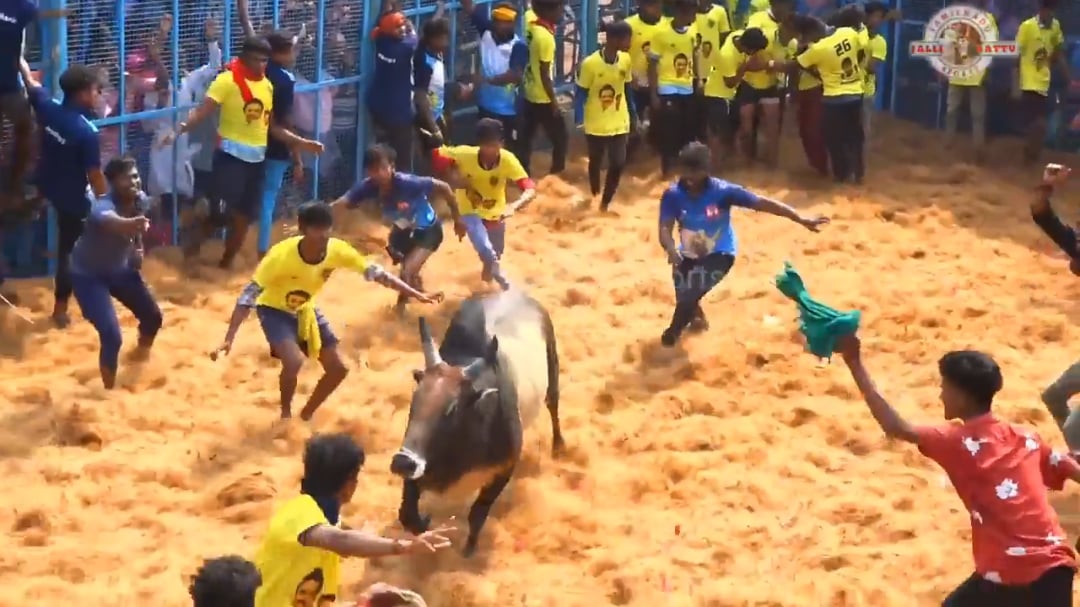
Jallikattu a traditional sport from southern India, Where contestants attempt to tame a bull
Title: Jallikattu: The Fierce & Cultural Bull-Taming Sport of Tamil Nadu
Meta Description: Discover Jallikattu, the ancient Tamil tradition where bravery meets tradition. Learn about its history, cultural significance, controversy, and modern revival.
H1: Jallikattu: Tamil Nadu’s Ancient Bull-Taming Tradition
Introduction
Jallikattu, one of the world’s oldest living sports, is a visceral display of courage, strength, and cultural pride from Tamil Nadu, India. Unlike western bullfighting, this 2,000-year-old tradition celebrates the symbiotic bond between humans and bulls, rooted in Tamil agrarian life. Participants (varsha-varayars) aim to grab the hump of a charging bull and hold on for glory—not to harm the animal. Yet, this adrenaline-fueled spectacle has sparked global debates on ethics, tradition, and animal welfare.
H2: Origins & History of Jallikattu
Jallikattu’s roots trace back to the Tamil classical era (400–100 BCE), with references in Sangam literature like Silappatikaram. The name combines jalli (coins or gold) and kattu (tied), reflecting early prizes tied to bulls’ horns. Historically, it honored cattle for their role in farming and warfare, evolving into a ritual during Pongal, the harvest festival celebrating nature, cattle, and community.
H2: How Jallikattu Works: Rules & Rituals
Every January, villages like Alanganallur (Madurai) and Palamedu come alive with Jallikattu events. Key aspects:
- The Bulls: Indigenous breeds like Kangayam or Pulikulam are reared for agility and strength. They’re not trained to attack—running is instinctive.
- The Arena (Vaadi Vasal): A narrow passage funnels bulls toward crowds of participants.
- Objective: Contestants grab the bull’s hump for 10–30 seconds or remove flags/coins from its horns.
- Safety Measures: Pits of sand cushion falls; emergency crews stand ready for injuries (historically common).
H3: Cultural Symbolism
Jallikattu isn’t just sport—it’s intertwined with Tamil identity:
- Proves a bull’s virility, boosting its value for breeding.
- Honors cattle as life-givers in agrarian societies.
- Unites communities through shared heritage.
H2: Controversies & Legal Battles
Critics, including PETA India, condemn Jallikattu for animal cruelty, citing bull injuries, exhaustion, and forced intoxication (allegations organizers deny). Key legal milestones:
- 2014: Supreme Court bans Jallikattu, citing violations of the Prevention of Cruelty to Animals Act.
- 2017: Mass protests (#SaveJallikattu) erupt across Tamil Nadu, leading to amendments allowing the sport as cultural heritage.
- 2023: Continued regulation via Tamil Nadu Jallikattu Act mandates veterinary checks and penalties for mistreatment.
H3: The Ethical Debate
- Proponents: Argue bulls aren’t killed (unlike Spanish bullfighting) and represent ancestral pride.
- Opponents: Demand modernization or replacement with artificial events for safety.
H2: Jallikattu Today: Revival & Global Recognition
Tamil Nadu now hosts 800+ annual events under strict guidelines. In 2023, over 5,000 bulls and 50,000 participants joined across districts. UNESCO’s consideration as an Intangible Cultural Heritage reflects growing global intrigue. Tourists flock to witness the raw energy, though participation remains limited to locals.
Conclusion: Tradition vs. Change
Jallikattu encapsulates Tamil Nadu’s fierce love for heritage. While balancing tradition with ethical reform remains contentious, the sport endures as a symbol of resistance against cultural erasure. For now, the roar of bulls and cheers of crowds continue to echo through Tamil villages—a testament to resilience.
FAQs About Jallikattu
-
Q: Is Jallikattu cruel to bulls?
A: Reforms mandate humane treatment, but animal rights groups still raise concerns. -
Q: When does Jallikattu occur?
A: Primarily during Pongal (January 14–17). -
Q: Can tourists participate?
A: No—only trained locals can enter the arena. -
Q: How are bulls rewarded?
A: Winning bulls gain prestige and higher value in breeding.
Keywords for SEO:
Jallikattu, bull taming sport, Tamil Nadu culture, traditional Indian sports, Pongal festival, Jallikattu history, Jallikattu controversy, animal rights and Jallikattu, Alanganallur Jallikattu, Tamil heritage.
By weaving tradition, adrenaline, and ethical discourse, Jallikattu remains a defiant emblem of Tamil pride—one charging bull at a time.