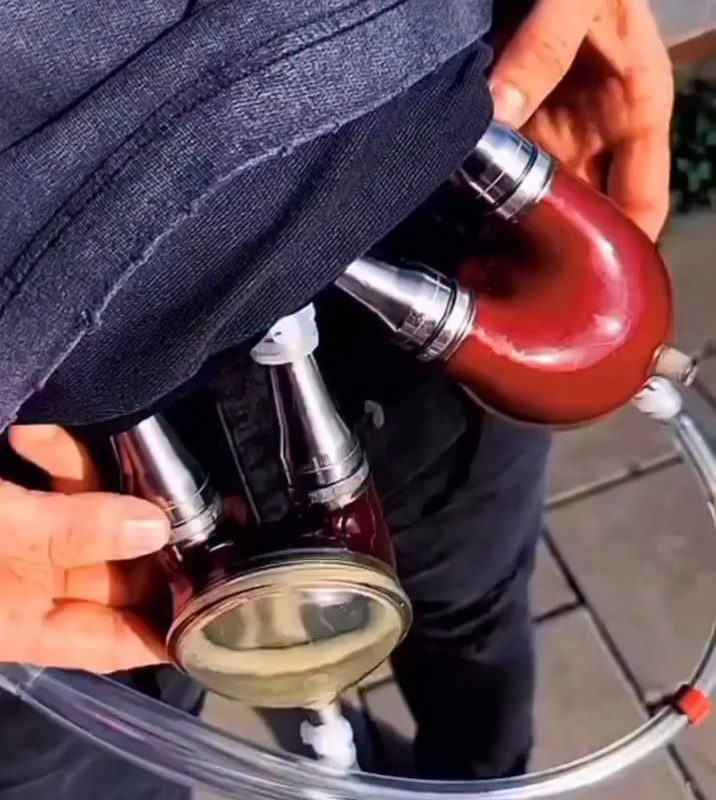
A patient living with an artificial heart (VAD)
Living with an Artificial Heart: A Comprehensive Guide to Life with a Ventricular Assist Device (VAD)
For thousands of patients with advanced heart failure, a Ventricular Assist Device (VAD) acts as a lifeline, providing a second chance at life when their natural heart can no longer function adequately. Often called an “artificial heart,” a VAD is a surgically implanted mechanical pump that supports blood circulation, offering hope and improved quality of life. This article explores the realities of living with a VAD, from candidacy and surgery to daily management and emotional resilience.
What is a Ventricular Assist Device (VAD)?
A VAD is a mechanical pump that helps the heart circulate blood to the body. It’s typically implanted in patients with end-stage heart failure who are either:
- Awaiting a heart transplant (“bridge to transplant”), or
- Ineligible for transplant and rely on the device long-term (“destination therapy”).
VADs can support the left ventricle (LVAD), right ventricle (RVAD), or both (BiVAD). The LVAD is the most common, assisting the heart’s main pumping chamber to deliver oxygen-rich blood throughout the body.
Who Needs a VAD?
Candidates for VAD implantation typically include patients with:
- Severe heart failure (e.g., cardiomyopathy, ischemic heart disease).
- Failed medical therapies (medications, pacemakers).
- Life-threatening symptoms like extreme fatigue, shortness of breath, or organ damage due to poor blood flow.
A thorough evaluation by a heart failure team determines eligibility, weighing factors like overall health and long-term prognosis.
The VAD Implant Process
1. Surgery
VAD implantation is a major open-heart surgery lasting 4–6 hours. Surgeons place the pump in the chest, attaching it to the heart and aorta. A driveline (thin cable) connects the device to an external controller and power source.
2. Recovery
- Hospital stay: Patients spend 2–4 weeks in the hospital for monitoring.
- Rehabilitation: Physical therapy rebuilds strength and endurance.
- Training: Patients and caregivers learn to operate and maintain the VAD system safely.
Daily Life with a VAD: Challenges & Adaptations
Living with a VAD requires adjustments but empowers many patients to resume meaningful activities:
1. Device Management
- Power Supply: VADs run on rechargeable batteries (worn in a vest or pouch) or a wall outlet. Patients always carry backup batteries.
- Controller: A small monitor displays pump speed, alarms, and battery life.
- Driveline Care: Cleaning the exit site daily to prevent infections is critical.
2. Lifestyle Modifications
- Physical Activity: Most patients can walk, drive, and even travel after recovery. Heavy lifting or contact sports are avoided.
- Diet & Medications: Blood thinners (like warfarin) are often required to prevent clots. Sodium and fluid intake may be restricted.
- Water Restrictions: Submersion in water (swimming, baths) is prohibited due to infection risks; showers are allowed with waterproof coverings.
3. Emotional & Social Well-being
- Psychological Impact: Anxiety, depression, or PTSD are common. Support groups and counseling help patients cope.
- Social Support: Caregivers play a vital role in emergency response and daily care.
- Community Resources: Organizations like the American Heart Association offer VAD-specific education and advocacy.
Potential Complications
While VADs save lives, they come with risks:
- Infection: The driveline exit site is vulnerable to bacteria.
- Blood Clots/Stroke: Pump mechanics can increase clotting risk.
- Bleeding: Blood thinners may lead to gastrointestinal or cerebral bleeding.
- Device Malfunction: Rare, but alarms or power failure require immediate action.
Regular check-ups and vigilant self-monitoring minimize these risks.
Success Stories: The Impact of VAD Technology
Advances in VAD design (e.g., smaller, quieter pumps like the HeartMate 3) have drastically improved survival rates and quality of life. Many patients report:
- Returning to work or hobbies.
- Spending quality time with family.
- Experiencing renewed energy and independence.
FAQs About Living with a VAD
Q: How long can you live with a VAD?
A: Many patients live 5+ years with modern devices—some up to 10 years or more.
Q: Can you shower with a VAD?
A: Yes, with a waterproof driveline cover. Swimming and baths are unsafe.
Q: Are VADs portable?
A: Yes—backpacks or shoulder bags hold controllers and batteries for mobility.
Q: Can you have an MRI with a VAD?
A: Most newer VADs are MRI-compatible (under strict supervision).
Conclusion: Embracing Life with a VAD
A VAD isn’t a cure, but for those battling heart failure, it’s a powerful tool that bridges the gap between survival and living. With proper care, education, and support, patients with artificial hearts can lead fulfilling lives, cherish milestones, and look forward to tomorrow.
If you or a loved one is considering a VAD, consult a heart failure specialist to explore your options and build a care plan tailored to your journey.
Keywords for SEO: Ventricular Assist Device, VAD patient experience, living with an artificial heart, LVAD lifestyle, heart failure treatment, mechanical circulatory support, VAD surgery recovery, managing heart failure, VAD complications, VAD caregiver tips.
Meta Description: Discover what life is like for patients living with a Ventricular Assist Device (VAD). Learn about surgery, daily care, challenges, and how an artificial heart empowers those with heart failure to thrive.