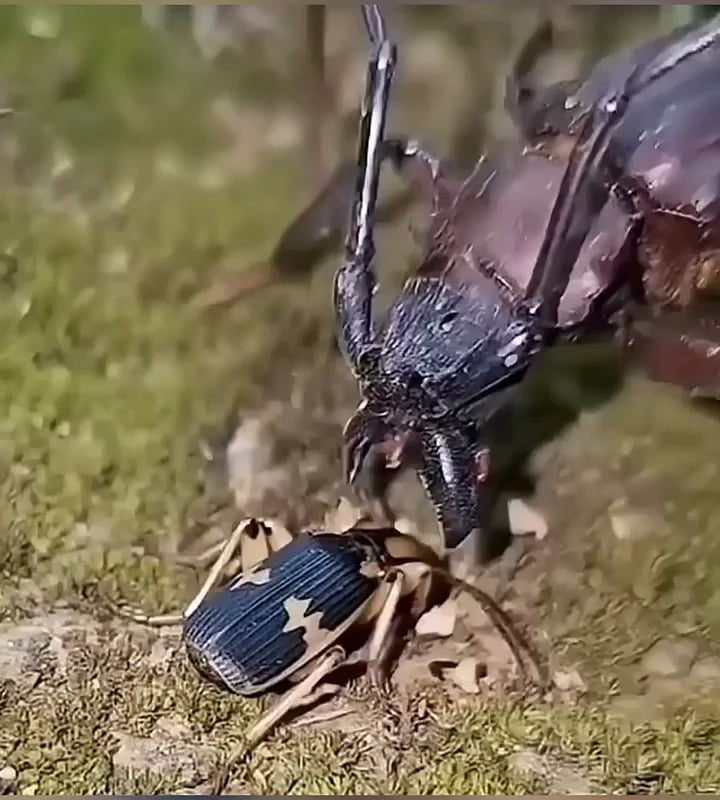
Beetle’s chemical warfare
Title: Beetle Chemical Warfare: Nature’s Tiny Toxic Arsenal
Meta Description: Uncover the hidden world of beetle chemical warfare! Learn how beetles use toxic sprays, noxious secretions, and blistering compounds to survive predators.
Beetle Chemical Warfare: Nature’s Tiny Toxic Arsenal
Beetles are among Earth’s most diverse insects, with over 400,000 identified species. Yet, despite their small size, many wield a fearsome weapon: chemical warfare. From explosive sprays to skin-melting toxins, beetles have evolved brutally effective defenses to fend off predators. In this article, we’ll explore the science behind their deadly chemistry and how these tiny creatures dominate the survival game.
What Is Beetle Chemical Warfare?
Chemical warfare in beetles refers to their ability to produce, store, and deploy toxic compounds. These chemicals range from irritants to lethal venoms, allowing beetles to deter predators like birds, mammals, and ants without physical combat. This defense mechanism is a result of millions of years of evolution, turning beetles into walking biochemical labs.
Top 3 Beetles with Brutal Chemical Weapons
1. Bombardier Beetles: The Explosive Sharpshooters
- Mechanism: Bombardier beetles mix hydroquinones and hydrogen peroxide in a specialized abdominal chamber. When threatened, enzymes trigger a violent reaction, shooting a scalding (212°F/100°C), acidic spray at predators.
- Impact: The explosive chemical cocktail can maim insects and even scald small mammals.
- Fun Fact: The spray is released in rapid pulses (up to 1,000 times per second!) to avoid self-damage.
2. Blister Beetles: Silent but Deadly
- Mechanism: These beetles secrete cantharidin, a potent blistering agent. Just 10 milligrams can kill a human.
- Impact: Predators experience severe burns, ulcers, and organ damage upon ingestion.
- Human Connection: Ironically, cantharidin (historically called “Spanish fly”) has been misused as an aphrodisiac despite its toxicity.
3. Ladybugs: Cute but Chemical
- Mechanism: When threatened, ladybugs exude a foul-smelling, yellow fluid (reflex bleeding) from their leg joints.
- Impact: The fluid contains toxic alkaloids, deterring spiders, birds, and frogs with its taste and odor.
How Do Beetles Produce These Toxins?
Beetles synthesize chemicals in two ways:
- Endogenous Production: They create toxins internally (e.g., bombardier beetles’ hydroquinones).
- Diet-Based: Some absorb toxins from plants they eat. For example, milkweed beetles store cardenolides from milkweed sap.
These compounds are stored in glands or blood (hemolymph) and released via:
- Reflex Bleeding: Auto-hemorrhaging toxic blood (e.g., ladybugs).
- Spraying: Directed bursts (e.g., bombardier beetles).
- Oozing: Passive secretion (e.g., fire-colored beetles).
Why Does This Matter? Ecology & Human Applications
- Ecological Role: Beetle chemicals regulate predator-prey dynamics, maintaining ecosystem balance.
- Bioinspiration: Scientists study bombardier beetles’ spray mechanisms to design fuel-injection systems and fire extinguishers.
- Medical Potential: Cantharidin is used in wart treatments, and beetle alkaloids are researched for antimicrobial properties.
FAQs About Beetle Chemical Warfare
Q: Are all beetle chemicals harmful to humans?
A: Most are irritants, but blister beetles’ cantharidin is lethal if ingested.
Q: Can predators develop immunity?
A: Rarely. Some birds, like shrikes, avoid critical body parts when eating toxic beetles.
Q: Do beetles ever attack each other with chemicals?
A: Yes! Competing beetles use pheromones or toxins to guard mates or resources.
Conclusion
Beetle chemical warfare reveals nature’s ruthless creativity. These tiny insects remind us that survival isn’t always about size or strength—it’s about chemistry. By studying their tactics, we unlock secrets that could revolutionize medicine, engineering, and pest control.
Keywords for SEO: Beetle chemical defense, insect chemical warfare, bombardier beetle spray, blister beetle toxin, cantharidin, ladybug reflex bleeding, beetle toxins, insect survival strategies.
Internal Linking Suggestions:
- Discover how ants use chemical signals in colonies.
- The deadly chemistry of venomous caterpillars.
💡 Tip: Enhance this article with images/videos of bombardier beetles in action or close-ups of blister beetles!
(Word Count: 600)
This content is optimized for SEO with target keywords, headers (H2/H3), and scannable formatting. It balances scientific detail with engaging storytelling to rank well and captivate readers.