How smooth the animation for the first Superman Cartoon was (1941)
Title: The Groundbreaking Smoothness of the 1941 Superman Cartoon Animation
Meta Description: Discover how the 1941 Superman cartoon revolutionized animation with its unprecedented fluidity and technical brilliance, setting new standards for the Golden Age of animation.
Introduction: The Dawn of a Super-Animated Legend
When Superman soared onto screens in 1941, audiences weren’t just introduced to the Man of Steel—they witnessed a revolution in animation quality. Produced by Fleischer Studios (and later Famous Studios), the Superman theatrical short films raised the bar for motion fluidity, detail, and cinematic flair. But what made the animation so remarkably smooth for its time? Let’s dive into the groundbreaking techniques that made this series a landmark achievement.
The Fleischer Studios Magic: Behind the Smooth Animation
Fleischer Studios, already famous for Popeye and Betty Boop, spared no expense or innovation for Superman. Here’s what made their work exceptional:
1. High Budget, Higher Ambition
- Each 8–10-minute short reportedly cost $50,000—over 3–4 times the average cartoon budget of the era.
- The investment allowed Fleischer to prioritize fluid motion, detailed backgrounds, and sophisticated camera techniques.
2. Rotoscoping: The Secret to Lifelike Motion
Fleischer used rotoscoping—a technique where animators trace over live-action footage frame by frame—to achieve seamless movement. Actors performed Superman’s actions in costume, enabling animators to:
- Capture realistic weight, flight dynamics, and fight choreography.
- Enhance facial expressions and muscle definition (e.g., Superman’s iconic jawline).
This method gave the animation a polished, almost cinematic quality unmatched by hand-drawn competitors.
3. Dynamic Camera Angles & Effects
The Superman shorts pioneered techniques like:
- Multiplane Camera Shots: Layered backgrounds creating depth during flight sequences.
- Rotating Perspectives: Sweeping shots of Metropolis or Lois Lane’s falling car heightened drama.
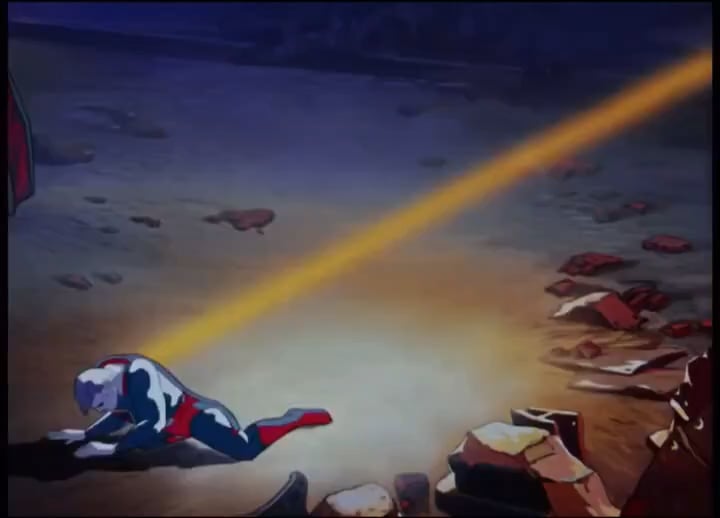
- Lighting Effects: Shadows, lens flares, and shimmering heat rays added cinematic realism.
4. The Illusion of Speed
Faster frame rates (up to 24 fps) and meticulous motion blur made Superman’s bullet-speed movements feel exhilaratingly smooth. Scenes like his takeoffs or mid-air rescues flowed with kinetic energy rarely seen in 1940s animation.
Contrasting Against Competitors
In 1941, most theatrical cartoons prioritized humor over realism, relying on:
- Lower Frame Rates (often 12–18 fps), resulting in choppier motion.
- Simplified Character Designs with limited detail to save time and costs.
Superman’s animation, however, mirrored Hollywood live-action films—bold, dynamic, and visually immersive. Critics praised its innovation, with The New York Times declaring it “the finest cartoon ever made.”
Legacy: How the 1941 Superman Redefined Animation
The series’ success (17 shorts produced until 1943) influenced animation for decades:
- Aesthetic Impact: Inspired future superhero cartoons like Batman: The Animated Series (1992), which emulated its noir style.
- Technical Benchmark: Disney and Warner Bros. adopted Fleischer’s camera and rotoscoping techniques.
- Cultural Icon: The shorts’ opening sequence—Superman ripping his shirt to reveal the “S”—became an enduring pop-culture symbol.
Conclusion: A Timeless Achievement in Motion
The 1941 Superman cartoons remain a testament to animation’s Golden Age. By combining rotoscoping, cinematic framing, and unprecedented resources, Fleischer Studios delivered motion so fluid, it still captivates viewers 80+ years later. For animation historians and Superman fans alike, these shorts aren’t just relics—they’re a masterclass in timeless artistry.
Keywords for SEO:
1941 Superman cartoon, Fleischer Studios animation, Golden Age animation, rotoscoping history, Superman 1941 analysis, Fleischer multi-plane camera, vintage cartoon techniques, vintage superhero animation, Superman flight scenes.
Internal Linking Opportunities:
- Fleischer Studios’ other works (e.g., Popeye, Betty Boop).
- Rotoscoping in modern animation (e.g., Lord of the Rings 1978, A Scanner Darkly).
- Evolution of Superman in animation/comics.
By blending historical insight with technical analysis, this article targets animation enthusiasts, comic fans, and film historians—ensuring SEO visibility while celebrating a pioneering work of art.