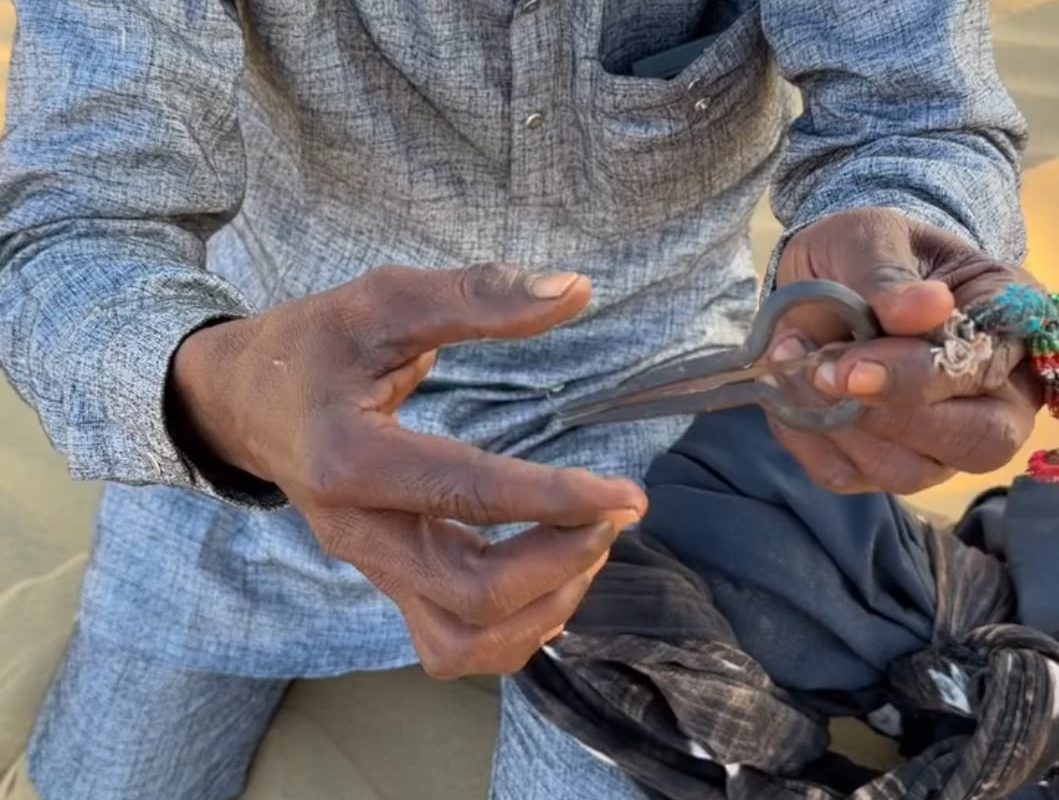
Morchang, a traditional instrument from Rajasthan, India.
Meta Title: Morchang: The Soulful Twang of Rajasthan’s Ancient Folk Instrument
Meta Description: Discover the Morchang, a traditional jaw harp from Rajasthan, India. Explore its history, cultural significance, playing techniques, and modern revival in this comprehensive guide.
Morchang: The Soulful Twang of Rajasthan’s Ancient Folk Instrument
Rajasthan, India’s desert heartland, is a treasure trove of vibrant music and dance. Amidst the melodies of the sarangi and the rhythms of the dholak, one instrument stands out for its unique, hypnotic sound—the Morchang. Also known as Morsing or Mukhchang, this ancient jaw harp has been the soul of Rajasthani folk music for centuries. In this article, we delve into the history, craftsmanship, and cultural legacy of Rajasthan’s enigmatic “twang machine.”
What is the Morchang?
The Morchang is a small, U-shaped lamellophone (a.k.a. jaw harp or mouth harp) crafted from iron or brass. Resembling a horseshoe with a flexible metal tongue, it produces a distinctive twanging sound when plucked near the mouth, using oral cavities as amplifiers. Its minimalist design belies its complexity—players create melodies, rhythms, and even emulate desert wildlife through nuanced control of breath and tongue movements.
Anatomy & Construction
- Frame (V-Shaped Base): Holds the instrument steady against the teeth.
- Metal Tongue (Trigger): The flexible reed that vibrates when plucked.
- Ring: Attached to the free end of the tongue, aiding precise plucking.
Traditional Rajasthani artisans handforge Morchangs, often recycling scrap metal. The finest examples come from Jaisalmer and Barmer, where it’s integral to the Manganiyar and Langa communities’ musical traditions.
A Brief History: Echoes of the Desert
The Morchang’s origins trace back over 1,500 years, with similar instruments found in ancient Egyptian and Celtic cultures. In Rajasthan, it evolved alongside nomadic bards, accompanying heroic ballads, devotional songs, and Sufi poetry. Its portability made it ideal for desert travelers, while its mimicry of nature—like the call of a peacock (mor)—cemented its name (Morchang = peacock’s call).
Playing the Morchang: Technique & Challenges
How It Works:
- Hold the frame against the front teeth, lips parted.
- Pluck the metal tongue rhythmically with a finger.
- Shape sound by altering mouth cavity size (e.g., “Oh” for bass, “Ee” for treble).
Signature Styles:
- Rajasthani Folk: Rapid-fire beats sync with Kalbeliya dancers’ swirling movements.
- Carnatic Fusion: South Indian Morsing players use it in classical percussion ensembles.
Beginner Hurdles:
- Jaw fatigue and accidental dental clicks!
- Mastering breath control to sustain notes.
Cultural Significance: More Than Music
The Morchang isn’t just an instrument; it’s a cultural symbol:
- Spiritual Tool: Used in Sufi rituals for trance-inducing rhythms.
- Storytelling Aid: Accompanies folk tales of kings, droughts, and desert romances.
- Festival Staple: Features prominently at Rajasthan’s Desert Festival and RIFF (Rajasthan International Folk Festival).
Modern Revival: From Desert Dunes to Global Stages
While rooted in tradition, the Morchang has found new life:
- Collaborations: Artists like Narayan Khan blend Morchang with electronic music.
- UNESCO Recognition: Rajasthan’s folk traditions, including Morchang, are highlighted as intangible cultural heritage.
- Workshops: Institutions like Rupayan Sansthan teach this art to younger generations.
Learning the Morchang: Tips for Beginners
- Start Slow: Focus on clean single notes before attempting complex rhythms.
- Listen: Study legends like Sakar Khan or Chugge Khan.
- Buy Authentic: Source handmade Morchangs from Rajasthani artisans (₹300–₹2,000).
FAQs About the Morchang
Q: Is Morchang hard to learn?
A: Basics can be grasped quickly, but mastery requires patience—especially for circular breathing techniques.
Q: How is it different from a Jew’s harp?
A: Similar functionally, but the Morchang is typically heavier and produces a deeper, metallic resonance.
Q: Where can I see live performances?
A: Visit Jaisalmer’s desert camps, Jodhpur’s Mehrangarh Fort, or attend RIFF in October.
Conclusion: The Eternal Twang
The Morchang encapsulates Rajasthan’s spirit—resilient, melodic, and endlessly inventive. As efforts to preserve folk arts grow, this humble instrument bridges ancient deserts with Spotify playlists. For travelers, musicians, or curious souls, experiencing its twang is a journey into India’s living heritage.
“When the Morchang speaks, the desert listens.”
Pro Tip: Pair your Morchang exploration with Rajasthani dishes like Dal Baati Churma for a full sensory immersion!
Optimize your blog post with keywords like “Rajasthani folk instruments,” “buy Morchang online,” “learn Morchang,” and “Manganiyar music” to boost SEO. Include visuals of artisans crafting Morchangs or Rajasthani performers in action for higher engagement.