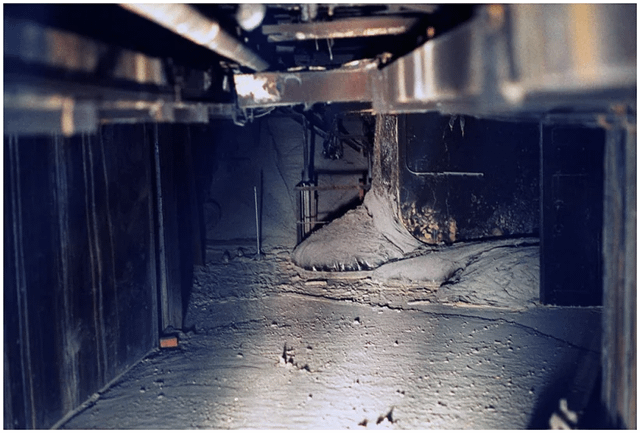
The first photos of the Elephant’s Foot (1986)
Meta Title: The First Photos of Chernobyl’s Elephant’s Foot (1986) | History & Danger
Meta Description: Discover the chilling story behind the first photos of Chernobyl’s “Elephant’s Foot,” the deadly radioactive mass formed after the 1986 disaster. Learn its secrets here.
The First Photos of Chernobyl’s Elephant’s Foot (1986): A Glimpse into Nuclear Horror
In the aftermath of the catastrophic Chernobyl disaster on April 26, 1986, a sinister relic of the meltdown lurked deep within Reactor 4’s ruins: a mysterious, highly radioactive mass dubbed the “Elephant’s Foot.” When the first photos of this abomination surfaced months later, they revealed a toxic monster unlike anything humanity had ever witnessed—uncharted territory in nuclear science and a stark warning of radiation’s lethal power.
This article uncovers the story behind the first images of the Elephant’s Foot, their significance, and why this chilling artifact remains synonymous with Chernobyl’s legacy.
What Was the Elephant’s Foot?
The Elephant’s Foot was a solidified mass of corium, a nightmarish mixture of molten nuclear fuel, concrete, steel, and sand that burned through the reactor floor during the meltdown. Formed in the basement of Reactor 4 under intense heat, it weighed hundreds of tons and glowed with radioactivity so extreme that standing near it for just 300 seconds meant certain death in 1986.
Named for its wrinkled, elephantine texture and dark gray color, this deadly mass became a morbid symbol of Chernobyl’s invisible danger.
The Race to Photograph Chernobyl’s Deadliest Secret
After containing the initial fire, Soviet scientists faced a critical challenge: How to study—or even see—what remained in the reactor’s flooded bowels without exposing humans to lethal radiation.
The First Images (Late 1986)
- Remote Robotics & Mirrors: Early attempts relied on jury-rigged cameras mounted on wheeled robots. Many failed due to radiation frying electronics or ruining film.
- Artur Korneyev’s Infamous Snapshot: The most iconic photo of the Elephant’s Foot (taken in late 1986) is attributed to Artur Korneyev, a Kazakh nuclear inspector. Risking his life, he used a mirror to peek around corners and snapped a blurred, grainy image—the first visual proof of the corium’s existence.
Radiation Levels in 1986:
- Surface: 10,000 roentgens per hour (enough to kill a human in under 1 minute).
- Today: Still emits ~1/10th of its original radiation—too dangerous for direct contact.
Why Were the First Photos Significant?
- Scientific Breakthrough: Proved corium could form naturally in reactors, reshaping nuclear safety protocols.
- Human Risk: Demonstrated radiation’s long-term threat, even to shielded workers.
- Cold War Secrecy: Soviet authorities initially suppressed images to avoid global panic, making these photos rare evidence of Chernobyl’s hidden horrors.
What Is the Elephant’s Foot Made Of?
Analysis of the photos and later samples revealed the Elephant’s Foot’s composition:
| Component | Role in Corium Formation |
|---|---|
| Uranium fuel | Melted reactor core material |
| Zirconium | Fuel rod cladding |
| Concrete | Melted reactor shielding |
| Silica (sand) | Firefighting material |
| Steel | Structural materials from reactor |
This hellish alloy made the mass virtually indestructible—a nuclear “lava” with half-lives spanning millennia.
The Elephant’s Foot Today
Although still radioactive, time and decay have weakened the Elephant’s Foot. It’s now brittle and crumbling, encased in concrete beneath the New Safe Confinement (NSC) structure built in 2016. Visiting it remains forbidden, but replicas in nuclear museums worldwide serve as haunting memorials.
Conclusion: A Photo That Changed Nuclear History
The first photos of the Elephant’s Foot symbolized humanity’s hubris and the terrifying power of unchecked nuclear energy. Though blurred and grainy, these images compelled scientists to confront radioactive disasters with unprecedented caution—a lesson that echoes in Fukushima and beyond.
For more on Chernobyl’s legacy, explore our articles on the liquidators’ heroism or the Pripyat ghost city.
SEO Keywords: Elephant’s Foot Chernobyl, first photos Elephant’s Foot, 1986 Chernobyl disaster, radioactive corium mass, Artur Korneyev photo, Chernobyl reactor 4 meltdown, nuclear lava Chernobyl.