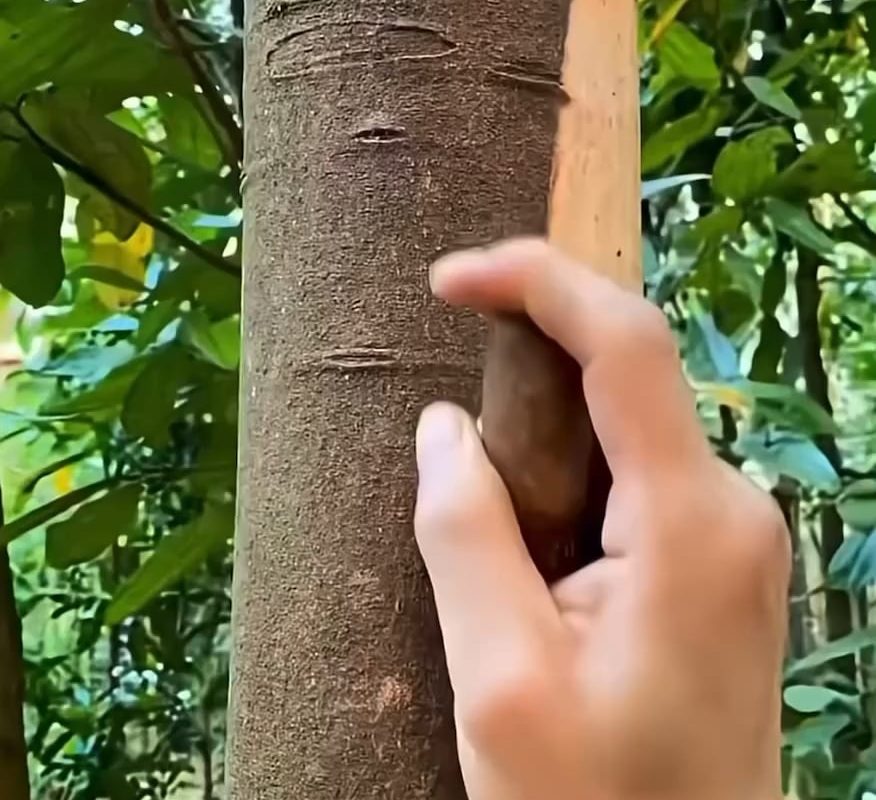
Cinnamon getting harvested
The Golden Harvest: Unraveling the Secrets of How Cinnamon is Harvested
Few spices evoke warmth and comfort like cinnamon. Its sweet, earthy aroma is a staple in kitchens worldwide, enhancing desserts, beverages, and savory dishes alike. Yet few people know the intricate, labor-intensive process behind transforming rough tree bark into the fragrant sticks or powder we love. In this article, we dive into the fascinating journey of cinnamon from forest to table—exploring how this precious spice is harvested, processed, and perfected.
What is Cinnamon? A Quick Background
Cinnamon comes from the inner bark of trees belonging to the Cinnamomum genus. There are two primary types:
- Ceylon Cinnamon (Cinnamomum verum): Often called “true cinnamon,” it’s prized for its delicate, sweet flavor and originates mainly from Sri Lanka.
- Cassia Cinnamon (Cinnamomum cassia): More common and robust, this variety is widely grown in Indonesia, China, and Vietnam.
Both types require careful harvesting, but the methods differ slightly based on tradition and regional practices.
Step-by-Step: How Cinnamon is Harvested
Harvesting cinnamon is an art passed down through generations. Here’s how it unfolds:
1. Selecting the Right Trees
Cinnamon trees take 2–3 years to mature before their bark is ready for harvest. Farmers identify healthy shoots with thick, supple bark—usually after the rainy season when the sap flows freely, making peeling easier.
2. Cutting the Shoots
Using machetes or curved knives, workers cut stems close to the ground. The branches are trimmed of leaves and side shoots, leaving pencil-thick rods typically 1–2 meters long.
3. Peeling the Bark
This is the most skilled part of the process. Harvesters make precise longitudinal cuts along the bark and gently peel it away from the woody core using a specialized bronze knife. The inner bark—known as the cambium layer—is the treasure.
4. Scraping and Drying
The peeled strips are scraped to remove the outer corky layer, revealing the soft, light-brown inner bark. These strips curl naturally as they dry in the sun for 4–7 days, transforming into the iconic quills (cinnamon sticks).
5. Rolling and Grading
For high-quality Ceylon cinnamon, artisans hand-roll multiple thin layers into a single quill, giving it a delicate, layered texture. Cassia bark, being thicker, curls into harder, single-layer sticks. The quills are then sorted by size, thickness, and color into grades.
Key Tools of the Trade
Harvesting cinnamon relies on simple, time-tested tools:
- Curved Knives (Kathi): For precise peeling.
- Bronze Scrapers: To refine the bark.
- Bamboo Drying Racks: For sun-drying.
- Twine or Fibers: To bundle quills.
Traditional techniques prioritize craftsmanship, ensuring minimal damage to trees for sustainable regrowth.
Labor of Love: Why Cinnamon Harvesting is So Intensive
Harvesting cinnamon is physically demanding and relies heavily on skilled labor:
- Timing: Bark is harvested biannually, ideally during monsoon seasons (May–June and October–November in Sri Lanka).
- Skill: Peeling requires dexterity; tearing the bark lowers its value.
- Sustainability: Trees regenerate from the stump, allowing repeated harvests for decades.
From Bark to Spice: Processing After Harvest
Once dried, cinnamon undergoes additional steps:
- Grinding: Higher-grade quills are sold whole, while broken pieces become powder.
- Oil Extraction: Leftover leaves and bark are steam-distilled to produce cinnamon oil, used in perfumes and medicines.
Grading Cinnamon: Quality Matters
Cinnamon is categorized by origin and appearance:
- Ceylon Grades: Alba (thinnest, most delicate), Continental, Mexican, and Hamburg (thickest).
- Cassia Grades: Whole quills, broken pieces (quillings), or ground powder.
True Ceylon cinnamon commands higher prices owing to its complexity and labor-intensive production.
Sustainability Challenges
As demand grows, sustainable practices are critical:
- Organic Farming: Avoiding pesticides preserves soil health.
- Fair Trade Initiatives: Ensuring fair wages for harvesters.
- Regrowth Cycles: Allowing trees adequate recovery time between harvests.
5 Fascinating Facts About Cinnamon Harvesting
- Ancient Origins: Cinnamon was traded in Egypt as early as 2000 BCE and was worth more than gold.
- Hand-Rolled Perfection: A single Ceylon quill can contain up to 10 paper-thin layers.
- The Cinnamon Bird Myth: Medieval tales claimed cinnamon grew in nests guarded by mythical birds—a story invented to mask its true source!
- Oil-Rich Bark: The spice’s distinct scent comes from cinnamaldehyde, a compound concentrated in the bark.
- Sri Lanka Dominates: Over 80% of the world’s Ceylon cinnamon comes from Sri Lanka.
FAQs About Cinnamon Harvesting
Q: Can cinnamon be harvested year-round?
A: No—the best yields occur during rainy seasons when bark peels easily.
Q: How long does a cinnamon tree produce bark?
A: With proper care, a tree can yield bark for 40–50 years.
Q: Why is Ceylon cinnamon harder to find?
A: Its delicate flavor and labor-intensive processing make it rarer and pricier than cassia.
Q: Is cinnamon farming eco-friendly?
A: When done traditionally, yes. Agroforestry methods support biodiversity, unlike monoculture plantations.
Conclusion: The Spice Born of Skill and Patience
Cinnamon harvesting is far more than just cutting bark—it’s a delicate dance of timing, skill, and tradition. Each fragrant quill represents hours of meticulous work under the sun, connecting us to ancient cultures that revered this “sweet wood.” Next time you sprinkle cinnamon into your oatmeal or coffee, take a moment to appreciate the hands and heritage that brought this golden spice to life.
Whether you’re a culinary enthusiast, a sustainability advocate, or simply curious about the origins of everyday ingredients, the story of cinnamon reminds us that nature’s finest gifts often demand the greatest care.
Meta Description: Discover how cinnamon is harvested—a labor-intensive process from bark peeling to sun-drying. Learn about Ceylon vs. Cassia varieties, sustainable practices, and fascinating facts about this beloved spice.
Target Keywords:
- How cinnamon is harvested
- Cinnamon harvesting process
- Ceylon cinnamon production
- Cinnamon farming
- Sustainable cinnamon harvest
- Cinnamon sticks production
By weaving in these insights and keywords naturally, this article is optimized to rank for queries related to cinnamon harvesting while offering readers an informative, engaging deep dive.