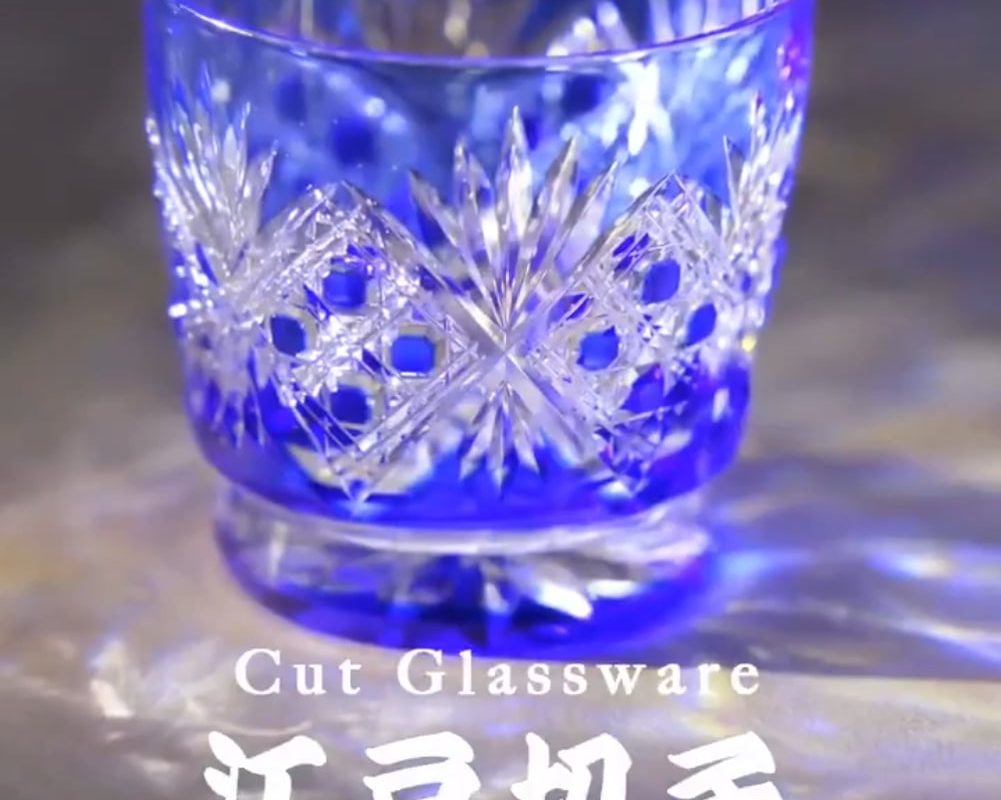
Hand cut Japanese Glassware
Hand-Cut Japanese Glassware: A Timeless Masterpiece of Craftsmanship
Japan’s rich artistic heritage has long celebrated precision, beauty, and harmony—qualities epitomized by hand-cut Japanese glassware. Revered for its intricate patterns, luminous clarity, and cultural significance, this art form transforms ordinary glass into mesmerizing functional art. In this guide, we explore the history, craftsmanship, and enduring allure of Japanese hand-cut glass, and why it deserves a place in your home.
The Legacy of Hand-Cut Glass in Japan
Hand-cut glassware in Japan dates back to the Edo period (1603–1868), when techniques like kiriko (cut glass) emerged. Two styles dominate this tradition:
- Edo Kiriko: Born in Tokyo in the 1830s, this technique features delicate geometric patterns cut into layered, color-cased glass. Its name pays homage to Edo (old Tokyo).
- Satsuma Kiriko: Originating in Kagoshima in the 1840s, this style uses deeper, bolder cuts in vibrant red and blue glass. Though production ceased in the Meiji era, artisans revived it in the 1980s.
These traditions, designated as Japan’s “Traditional Crafts,” reflect the wabi-sabi philosophy—embracing imperfection and transient beauty.
The Meticulous Art of Hand-Cutting Glass
Creating hand-cut Japanese glassware demands years of mastery. Here’s how artisans craft these treasures:
- Glass Selection: High-quality soda-lime or crystal glass is chosen. For Edo Kiriko, multiple colored layers are fused.
- Marking Designs: Patterns (floral, geometric, or abstract) are sketched onto the glass surface.
- Cutting & Engraving: Using diamond or stone-tipped rotating wheels, artisans carve each cut by hand, adjusting pressure for depth and texture.
- Polishing: The piece is smoothed with abrasive wheels, then acid-washed for brilliance.
This labor-intensive process can take weeks per item, ensuring every piece is unique.
Techniques & Styles That Dazzle
Hand-cut Japanese glassware showcases diverse patterns, each with symbolic meaning:
- Grid Cuts (Yarai): Crosshatched diamonds evoke fishnet motifs, symbolizing abundance.
- Floral Motifs: Cherry blossoms (sakura) and chrysanthemums honor nature’s fleeting beauty.
- Layered Color Effects: Edo Kiriko’s sandwiched glass reveals contrasting hues when cut, creating 3D illusions.
Modern artisans blend tradition with contemporary aesthetics, experimenting with asymmetrical designs or minimalist lines.
How to Use Hand-Cut Japanese Glassware
Beyond display, these pieces enhance daily rituals:
- Drinkware: Sake sets, whisky tumblers, and wine glasses elevate sipping into a sensory experience.
- Tableware: Serving bowls, vases, and dessert plates turn meals into artful occasions.
- Home Décor: Candleholders or centerpieces refract light beautifully.
Their durability (when cared for) ensures they withstand daily use while retaining elegance.
Why Invest in Hand-Cut Japanese Glassware?
- Cultural Heritage: Each piece preserves centuries-old techniques at risk of fading.
- Unmatched Quality: Unlike machine-made glass, hand-cut items have distinct character and flawless precision.
- Sustainability: Handcrafted goods support ethical production and reduce waste.
- Heirloom Value: These timeless pieces become family treasures passed through generations.
Caring for Your Glassware
To maintain brilliance:
✅ Hand-Wash Only: Avoid dishwashers to prevent clouding or scratches.
✅ Use Mild Detergent: Harsh chemicals can damage cuts.
✅ Store Separately: Pad glassware with cloth to avoid chips.
✅ Avoid Extreme Temperatures: Rapid changes can crack the glass.
Where to Find Authentic Hand-Cut Glassware
- Japan-Based Artisans: Visit Edo Kiriko studios in Tokyo or Kagoshima’s Satsuma Kiriko workshops.
- Specialty Retailers: Stores like Japan Objects (online) or Takumi craft galleries curate authentic pieces.
- Craft Fairs: Events like Tokyo International Gift Show feature master artisans.
Look for the “Traditional Craft” designation to ensure authenticity.
In Conclusion
Hand-cut Japanese glassware transcends mere utility—it embodies a nation’s soul, history, and reverence for beauty. Whether sipping sake from an Edo Kiriko cup or displaying a Satsuma Kiriko vase, owning one means celebrating human artistry at its finest. As the light dances across its etched surfaces, you’ll glimpse the hands that shaped it and the centuries of wisdom they carry.
Meta Description:
Discover the artistry of hand-cut Japanese glassware—its history, craftsmanship, and timeless appeal. Learn how Edo Kiriko and Satsuma Kiriko elevate everyday moments into luxuries.