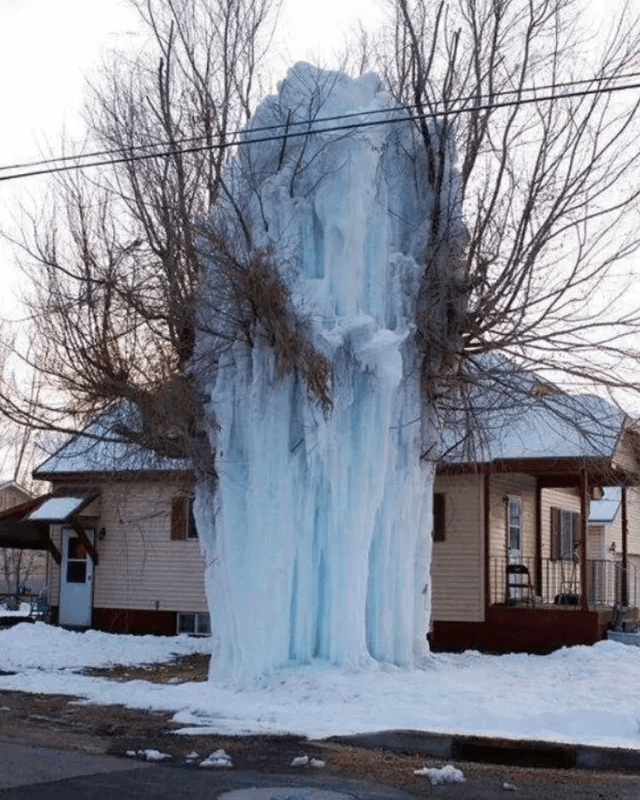
Fire hydrant bursts in sub-zero temperature.
Title: Winter’s Fury: Why Fire Hydrants Burst in Sub-Zero Temperatures & How to Prevent Costly Damage
Meta Description: Discover why fire hydrants burst during extreme cold, the risks they pose, and actionable tips to prevent damage during sub-zero temperature events.
Introduction
A surge of water erupts from the ground, freezing mid-air into icy stalactites, sidewalks transform into treacherous skating rinks, and emergency crews scramble to contain the chaos. This dramatic scene is all too familiar in regions plagued by sub-zero temperatures: a fire hydrant burst. These critical safety devices are designed to withstand the elements, but extreme cold can turn them into costly and dangerous liabilities. In this article, we unpack why hydrants fail in freezing conditions, the consequences for communities, and how to mitigate risks before winter strikes.
The Science Behind Fire Hydrant Bursts in Extreme Cold
Fire hydrants rely on water remaining liquid inside their chambers. When temperatures plunge below freezing, physics takes over:
- Water Expansion: As water freezes, it expands by 9%, creating immense pressure on pipes, valves, and hydrant components.
- Pressure Buildup: Ice blockages trap pressurized water upstream. When weak points (like aging seals or cracks) give way, the result is a catastrophic rupture.
- Frost Penetration: Sub-zero temperatures cause soil to shift (“frost heave”), straining buried pipes and hydrant connections.
Hydrants in poorly drained areas or with residual standing water are especially prone to freezing and bursting.
The Domino Effect: Consequences of a Burst Hydrant
When a hydrant bursts during a deep freeze, the repercussions are immediate and severe:
-
Emergency Response Risks
A compromised hydrant reduces water pressure for firefighting, endangering lives and property during blazes. -
Flooding & Ice Hazards
Gushing water quickly freezes, creating hazardous black ice on roads and sidewalks. Nearby basements and businesses may flood. -
Infrastructure Damage
Repair costs skyrocket as crews work in brutal conditions to replace hydrants, valves, or sections of water mains. -
Water Supply Disruptions
Municipalities may shut off water to entire neighborhoods to facilitate repairs, leaving residents without access.
Preventing Fire Hydrant Bursts: Proactive Strategies
Prevention hinges on teamwork between municipalities, utility providers, and property owners:
For Municipalities:
- Regular Maintenance: Inspect hydrants pre-winter for leaks, corrosion, or drainage issues.
- Proper Drainage: Ensure “dry hydrants” fully drain after use to prevent trapped water.
- Insulation & Heating: Install frost-free hydrants or use insulated covers in extreme climates.
For Property Owners:
- Clear Snow around hydrants to help crews access them quickly in emergencies.
- Report Leaks immediately to local authorities if you spot dripping or pooling water near hydrants.
Smart Technology Solutions:
- Remote Monitoring: Sensors can detect temperature drops or pressure changes, alerting crews before bursts occur.
- Automated Flushing Systems: Cycle water through hydrants periodically to prevent stagnation and freezing.
What to Do if a Hydrant Bursts Near You
- Call 911 or Local Utilities – Report the burst immediately.
- Avoid the Area – Stay clear of flooding and ice to prevent injuries.
- Document Damage – Take photos for insurance claims if property is affected.
Case Study: Lessons From the Polar Vortex
During the 2019 Polar Vortex, Chicago experienced over 50 hydrant bursts in one week. Crews worked around the clock as temperatures plunged to -30°F (-34°C). The city responded by:
- Increasing pre-winter hydrant inspections.
- Prioritizing replacements of hydrants installed before 1980.
- Launching a public awareness campaign to report minor leaks.
FAQs About Fire Hydrant Bursts in Winter
Q: Can a fire hydrant burst cause a water main break?
A: Yes! Hydrant failures often damage connected pipes, leading to larger ruptures.
Q: Who pays for damage from a burst hydrant?
A: Municipalities typically cover repairs, but property owners may need insurance for flooded basements or collapsed driveways.
Q: Can indoor pipes freeze if a hydrant bursts?
A: Possibly. Pressure drops in the system can increase freezing risk for household plumbing.
Conclusion: Stay Ahead of Winter’s Wrath
Fire hydrant bursts in sub-zero temperatures are more than just spectacle—they threaten public safety, infrastructure, and budgets. By investing in maintenance, technology, and community vigilance, cities can avoid becoming victims of preventable winter disasters. As climate change fuels more extreme weather, proactive measures are no longer optional; they’re essential to resilience.
Stay informed about local hydrant maintenance programs, and report leaks early to protect your neighborhood this winter.
Target Keywords:
- Fire hydrant burst
- Sub-zero temperature
- Frozen fire hydrant
- Water main break in winter
- Hydrant maintenance
Internal Links: (Optional for website integration)
- /blog/preventing-frozen-pipes
- /services/emergency-hydrant-repair
- /resources/winter-preparedness-guide
Optimize this content for local SEO by mentioning specific cities/states prone to extreme cold (e.g., Chicago, Minneapolis, Canada) and linking to municipal water department resources.